File photo.
Sophie Gray
Local Journalism Initiative Reporter
Osoyoos residents are among many Canadians noticing more wildlife sightings outside their windows while hunkered down inside their homes.
Although posts of local foals being born or coyotes on golf courses on social media seem to indicate critters and creatures are using the lack of humans outside to their advantage, wildlife is likely no more active than normal said Dan Kraus, scientist at Nature Conservancy Canada.
“Because of how COVID-19 has forced many of us to slow down and stay home, many people are more tuned in to what nature is around us — we might be noticing the birds and other creature that live around us more because we are less distracted compared to our usual routines,” said Kraus.
He said that the wildlife has been there all along, people have just been too busy to notice it.
Kraus also said that it is a matter of seasonal timing. Spring is here, which is usually a busy season for wildlife sightings as birds return from winters in warmer climates and other creatures emerge from their winter dens.
“Animals of all sorts are moving about more looking for a mate or building a nest or den,” said Kraus. “So this slow down of human society is happening right when the rest of nature is waking up and getting active.”
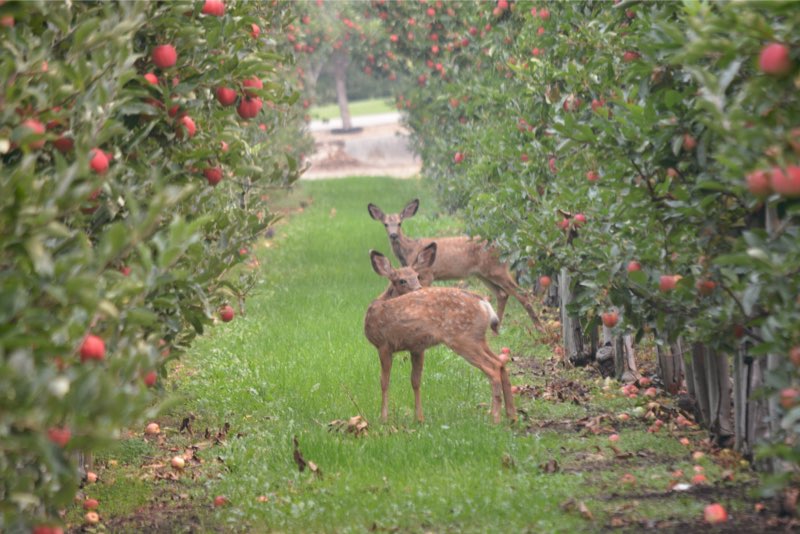
Part of that activity in rural areas of B.C. includes fawn season. This is the time of year that many deer give birth to their fawns, often leaving them alone in places we might think of as odd. Anecdotal reports floating around social media suggest that fawns are appearing underneath shrubs in residential backyards or on the side of hiking trails.
But Valerie Blow, stewardship officer at the Okanagan-Similkameen Stewardship Society (OSS), said female deer are doing this intentionally.
“Mother deer intentionally leave their fawns alone for many hours at a time, only coming back every so often for the fawn to nurse,” said Blow. “They do this to keep their babies protected from predators– a hidden, motionless fawn is actually very, very hard for a natural predator to find.”
She said that if people come across a fawn, it is best to observe it from a distance to make sure it isn’t crying out or obviously injured and then leave it alone. A mother deer will not return if she smells a person nearby, and this could prevent the fawn from nursing properly.
“Dozens of perfectly safe, perfectly healthy baby deer are taken from their mothers to wildlife rehabilitation centre each year by folks who believe they are doing a good deed,” said Blow.
She added that OSS is also trying to educate residents about snakes, who are emerging from their dens at this time of year.
“All species of snake have emerged from hibernation now and are moving from their dens to their summer habitats,” said Blow in an email. “This means they will be crossing roads more than normal, so it is very important to watch the roads when driving,”
Snakes are prevalent in the arid climate of Canada’s only desert, and Blow said they really like to bask on the sun-warmed asphalt where they are often hit by cars, the leading cause of death for snakes in the area.
All of these sightings are normal for this time of year, but with people staying home more and slowing down, Kraus hopes people will gain a greater appreciation for nature and it’s incredible animals.
“The majority of Canadians live in a place that historically had very high biodiversity. Some of the diversity is coming back thanks to conservation efforts and because wildlife is adapting,” said Kraus.
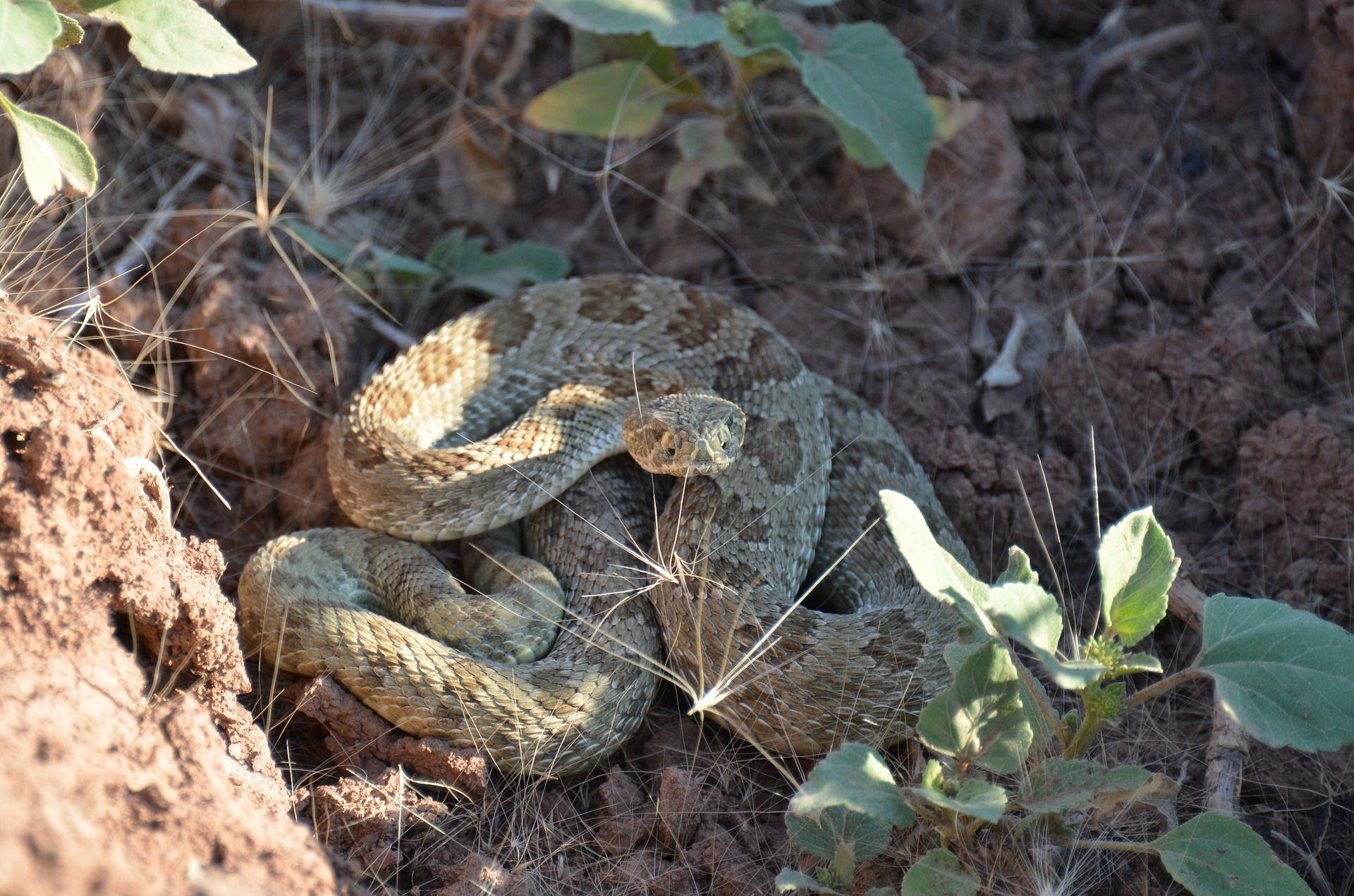
Rattlesnakes like this one will soon start showing up on roads around town. Valerie Blow from the OSS wants you to “brake for snakes” and take their soon to be published webinar to learn more. (Photo: Pixabay)