By Lyonel Doherty
An Oliver water councillor says the cherry harvest won’t happen if people try to block Quebec workers from coming here amidst COVID-19.
During Tuesday’s council meeting, Rick Machial said he can’t emphasize enough the importance of Quebec migrants helping with this year’s harvest.
“I’m very leery in trying to stop that,” he said, referring to recent concerns about Quebec migrants potentially spreading the virus in the South Okanagan.
“Unless our laid-off people (local residents) will work in the orchards, we have to make sure these people come here from Quebec.”
Machial said they can enforce social distancing in the orchards to prevent the spread of COVID-19.
Long-time cherry picker Anouk Desroches has another view.
Originally from Quebec but now a Kootenays resident, she acknowledged the worries that locals have about migrating workers.
“I have done it. I know the thrill of crossing the country and ending up in the paradisiac scenery of the Okanagan. I know how good the money is too.”
But Desroches said this year is different.
“This year is not the time to come for the young heart opening grand adventure out west.”
The young woman said she has been trying to inform Quebecers (who are unprepared) to not even try to cross the country.
“I have been sharing some of the regulations I am aware of and the worries of smaller communities with the migration of workers.”
Desroches said cities, farmers’ associations and the government should have clearer guidelines to make the migration safe. For example, she said tree-planting companies have a list long of pre-contract and on-site rules to follow.
If the migration was more structured, it would be safer, she pointed out.
She noted that one of the major issues in the Okanagan is accommodation for workers.
“They are, for the most part, very rustic and not really sanitary for the time being.”
The tree planter said that she wishes farmers would put together a network of accommodation for workers.
“I have tons of friends that work in the tourism industry, restauration, massage therapy and many more that would love to know the opportunities in the province.”
Desroches said young people from B.C. have only been discouraged from picking fruit because it is a French “cultural thing.”
She believes if the Okanagan was clearer with its expectations, it could find the help needed without compromising people’s health during the pandemic.
Long-time farm worker Alix Longland from Vernon said if preventative measures are established, the South Okanagan can be protected from an outbreak.
She said while physical distancing must be ensured, the more important issue is what Quebec farm workers have been struggling with for years – a lack of safe, adequate living space.
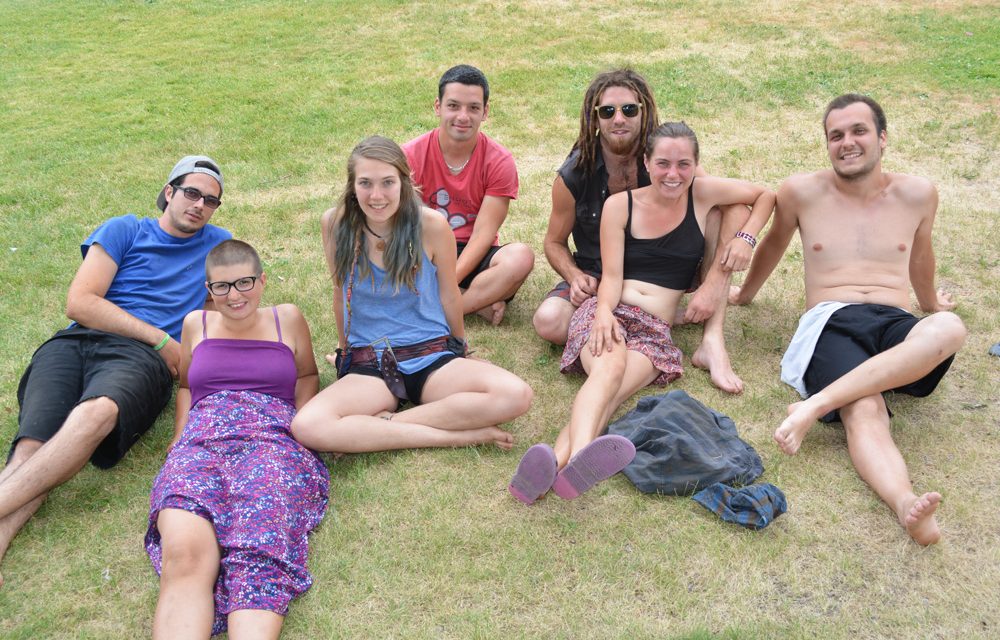
Longland said many local farmers allow workers to live in their orchards but don’t provide adequate housing, showers or toilets. This prompts them to spend their free time on local beaches and in shady parks, he pointed out.
Longland stated that local politicians have come up with creative measures to protect their own citizens during the pandemic. So, now it’s time to protect all individuals, including farm workers. Instead of scaremongering, Longland believes people should be educated into “caremongering” toward all essential workers like fruit pickers.
“What we are learning through this pandemic is that we are stronger together,” she said, noting that Quebec farm workers want to ensure the community’s safety as well as their own.
Meanwhile, the regional district is looking at special precautions for farm workers at Loose Bay camp this summer. These include sanitizing stations and social distancing enforcement.