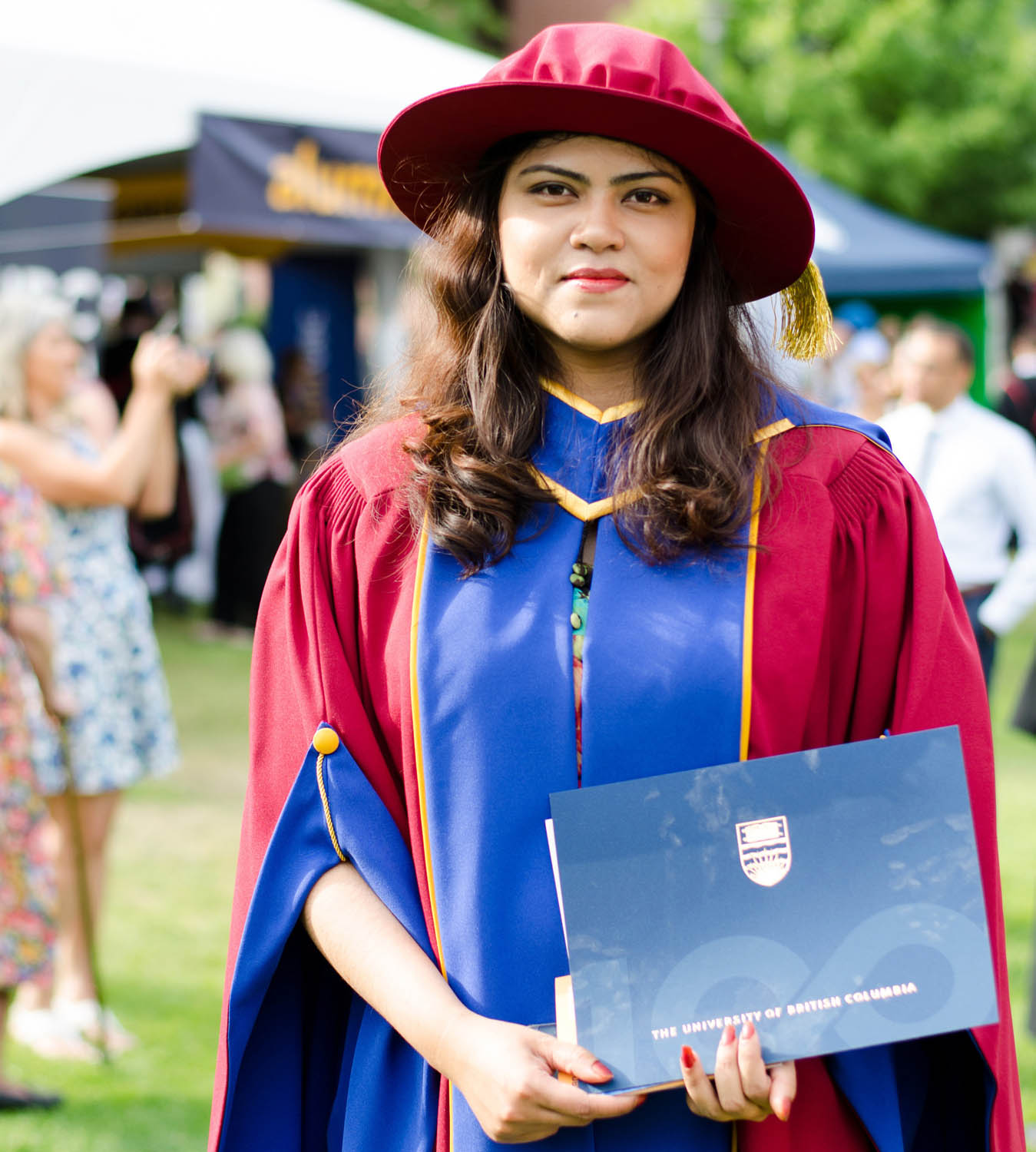
Nilufar Islam (Contributed photo)
UBC engineers have created a tool that will help municipalities like the Town of Osoyoos measure water quality, as a way to ensure clean and safe drinking water is coming out of the taps.
Nilufar Islam, who recently received her PhD from UBC Okanagan, has spent the better part of her career creating methods to improve drinking water quality.
Working with Professor Rehan Sadiq, associate dean of the School of Engineering and Professor Manuel Rodriguez from Laval University, she developed a water quality index to improve the interpretation of drinking water quality in distribution networks.
“She took samples and created data from small and medium sized municipalities as far away as Newfoundland and Quebec as well as some from the Okanagan Valley,” said Sadiq.
Disinfectants, commonly used in water to ensure it is safe to drink, can react with natural organic matters in the water, or the distribution system, to create disinfection by-products (DBPs). These DBPs including trihalomethanes and haloacetic acids are known to have potential reproductive and development effects.
“It’s like a catch-22,” says Islam. “Disinfection is necessary to ensure microbiological water quality, but it can produce DBPs when used excessively. DBPs in municipal water may potentially lead to detrimental health impacts. The question became, how can we make sure that our drinking water contains DBPs within acceptable limit without degrading microbiological water quality?”
Noting it’s almost impossible for the general consumer to interpret complex regulatory violations, Islam and Sadiq created a tool, known as the non-compliance potential (NCP) index, to make interpreting measurements of diverse water quality parameters as easy as possible.
The index has been used recently to study water distribution systems in many Canadian cities.
The NCP index is designed to merge difficult to understand data into simple indicators that show municipalities whether their water systems are, or are likely to, contain unwanted byproducts that are created when disinfectants react with organic materials in water system.
“As many small municipalities do not have the technical and financial resources to collect and decipher water quality data on a regular basis, tools such as the NCP index could help them target how and where they spend their time and money,” explains Sadiq.
In assessing the benefit of the NCP index, researchers measured water quality at various points in several water distribution systems. They then measured the systems to determine which areas had or were most likely to have compromised water quality.
“With so many small municipalities required to operate and maintain water systems, we feel it is important to ensure they have the tools to understand how their systems are operating and where best to target their capital investments,” adds Sadiq. “It wouldn’t be possible to examine the whole system at a time, so helping municipal engineers better prioritize operations is a good way to ensure our water quality is maintained.”
According to the 2016 Canadian Infrastructure Report Card, municipal governments own nearly 60 per cent of Canada’s core infrastructure, including $207 billion worth of potable (drinkable) water infrastructure.
The report card, developed by the Canadian Construction Association, Canadian Public Works Association, Canadian Society for Civil Engineering, and Canadian Federation of Municipalities ranked 29 per cent of Canadian drinking water infrastructure as fair, poor or very poor.
The study, funded by the Natural Sciences and Engineering Research Council, was recently published in the journal Environmental Monitoring and Assessment.
Islam was a brilliant student Sadiq has worked with while she studied for her Masters degree as well as her PhD and being able to work with a student of her calibre during this study was very rewarding, he said.
The information that has been gathered will be made available to municipal engineers across the country, he said.
“It will be a generic tool that is readily available to small and medium sized municipalities,” he said. “The methods used during this study don’t necessarily apply to best practices used in large cities when it comes to testing municipal drinking water.”
A copy of Islam’s thesis and results is available on the UCBO website under UBCO Circle, which publishes all papers written by students completing their Masters and PhD studies, he said.
Islam was recently hired as an engineer by the wastewater division with Metro Vancouver, he said.
KEITH LACEY
Osoyoos Times
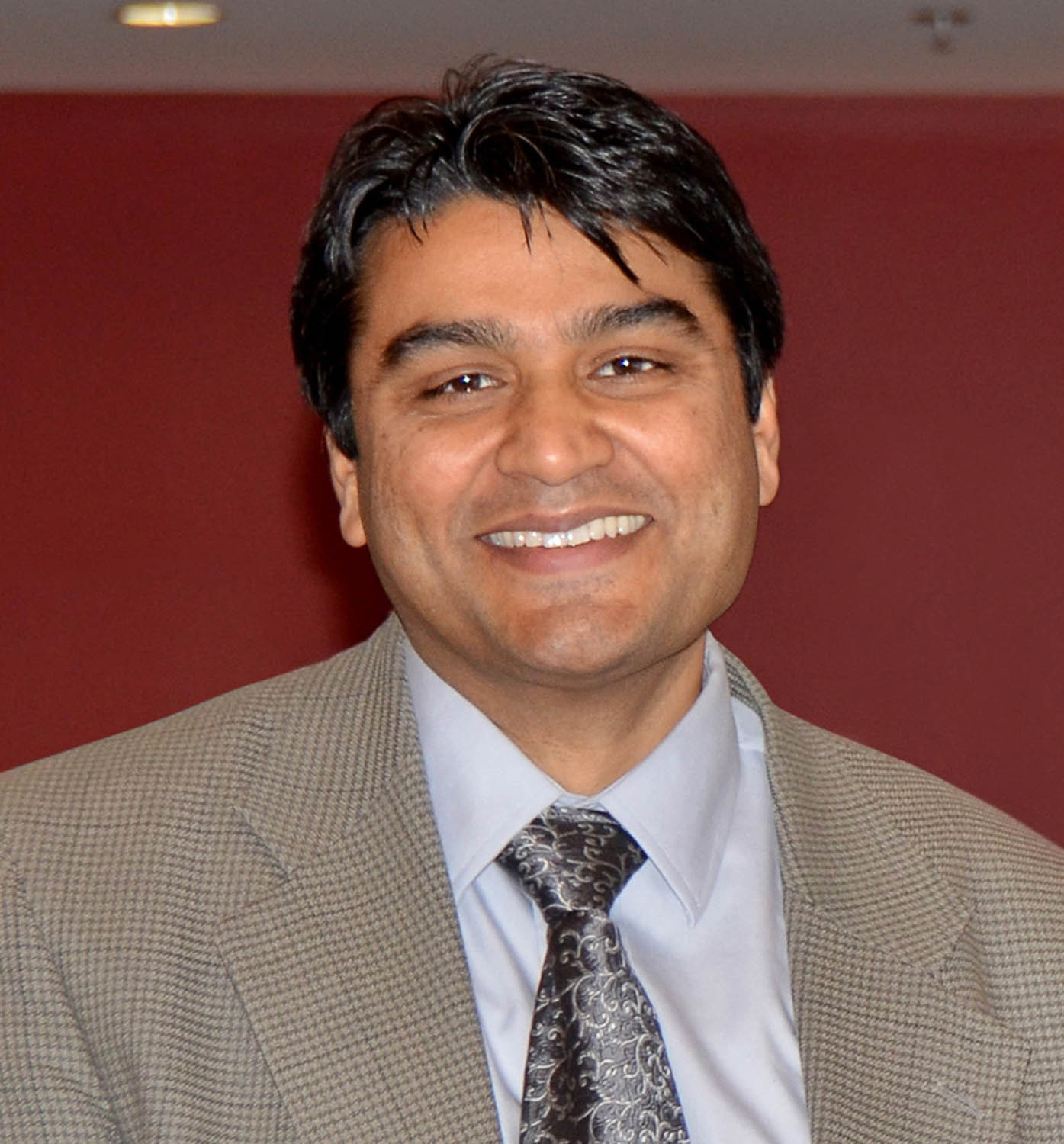
Rehan Sadiq (Contributed photo)