Times Chronicle Staff
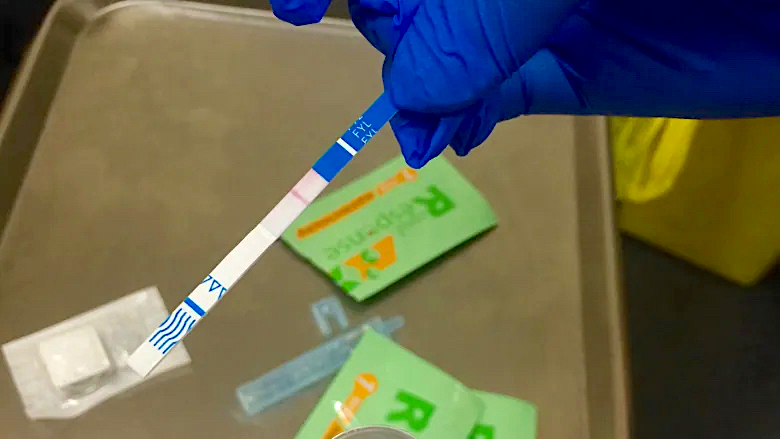
A recent B.C. research study demonstrated the benefits of distributing fentanyl test strips for take-home use based on the accuracy of the tests and the fact most overdose deaths occur at home.
The adulteration of the illicit drug supply with fentanyl and other potent synthetic opioids continues to increase the risk of overdose and is responsible for more than 9,400 deaths in the six years since B.C. declared a public health emergency.
The researchers found that when fentanyl is detected through testing, individuals are motivated to take action to reduce their risk of overdose.
“For the past three years, more than 80 per cent of overdose deaths in B.C. occurred where people live,” said principal investigator of the study and Deputy Chief Medical Health Officer at Vancouver Coastal Health (VCH), Dr. Mark Lysyshyn.
“Take-home drug checking provides people with information they can use to reduce their risk of illicit drug poisoning in the very location where the risk is highest. We hope the findings from this study will help expand access to fentanyl test strips for take-home use as part of a broader drug checking strategy.”
Jessica Bridgeman, Interior Health’s Manager, Sexual Health and Harm Reduction said the opportunity for people to have these strips accessible at home is crucial, “especially for those living in rural and remote communities.” She added: “Interior Health is happy to support this program and provides take-home drug checking strips from more than 60 locations across the region.”
Researchers compared fentanyl detection rates using take-home test strips with those tested by trained staff at harm reduction sites. Among 1,768 opioid drug samples tested, the positivity rates of the take-home fentanyl test strips were similar to those obtained by trained staff at harm reduction sites.
The pilot was conducted from April to July 2019 at 10 sites that serve a large geographical area including Vancouver’s Downtown Eastside neighbourhood, as well as several smaller urban and rural communities.
In the study, 95 per cent of participants indicated they would use the take-home test strips again, with almost one in three reporting safer substance use behaviour as a consequence of a fentanyl positive test result.
Lead author and Associate Director with the BCCSU Clinical Addiction Medicine Fellowship program, Dr. Sukhpreet Klaire said: “The rapidly changing and unpredictable illicit drug supply continues to drive both fatal and non-fatal overdoses.
“These findings demonstrate that in the absence of a regulated drug supply, strategies that provide people with information about the substances they’re consuming are paramount to keeping them safe. Take-home fentanyl strips can provide potentially life-saving information and should be made widely accessible.”
The research study was conducted by Vancouver Coastal Health (VCH), BC Centre on Substance Use (BCCSU), BC Centre for Disease Control (BCCDC), Interior Health (IH) and the First Nations Health Authority (FNHA).
The results were published this month in the International Journal of Drug Policy, titled ‘Take-Home Drug Checking as a Novel Harm Reduction Strategy in British Columbia, Canada’.