
By Dale Boyd
Osoyoos Times
Ripples caused in worldwide recycling markets have landed on the curb outside of the Regional District Okanagan-Similkameen.
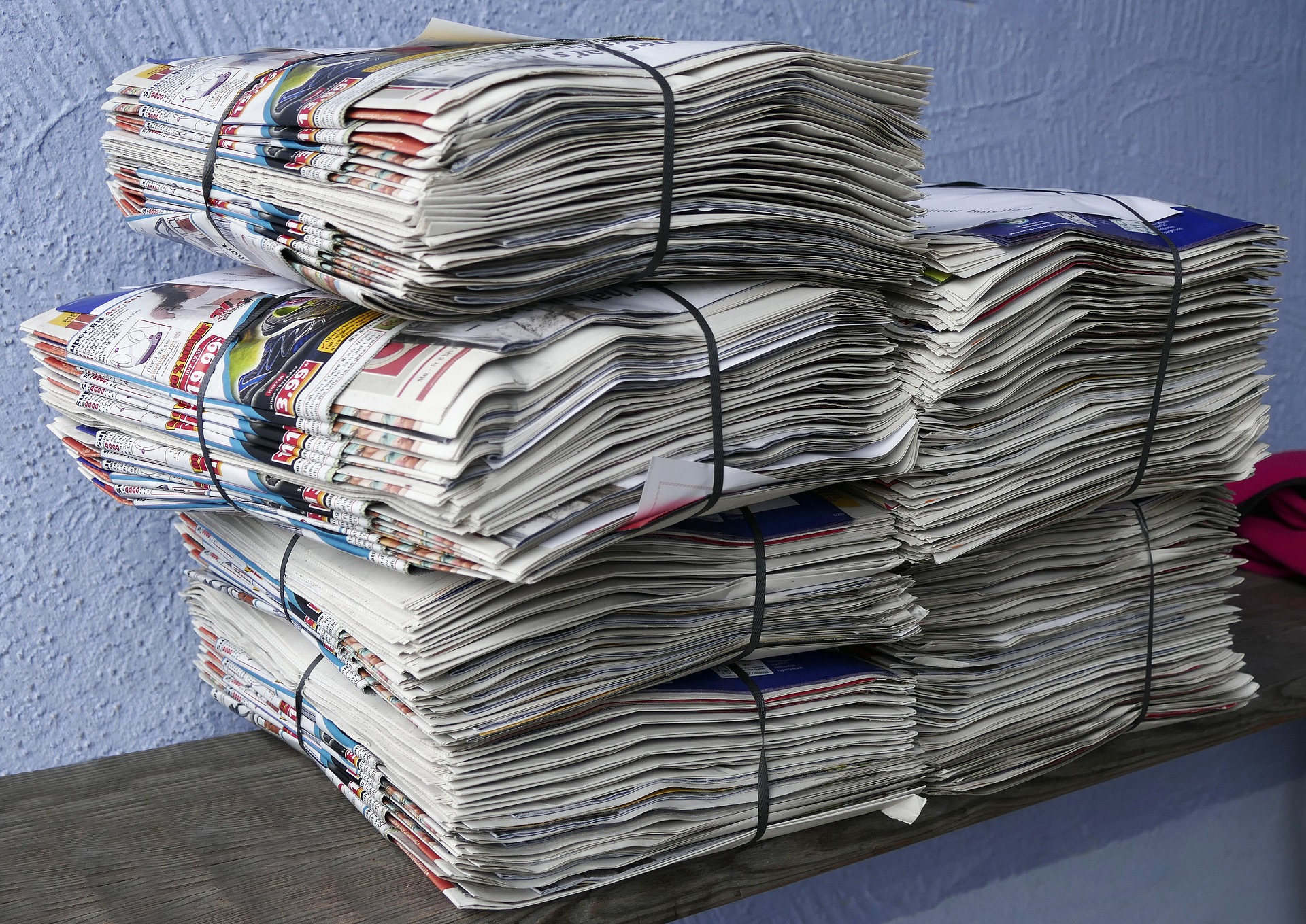
The RDOS is joining a call to amend legislation for the provincial recycling program, specifically the lack of paper product recycling for businesses, industries and institutions.
The RDOS voted at their Aug. 15 meeting to add their support to a letter from the Thompson-Nicola Regional District to the Minister of Environment and Climate Change Strategy, George Heyman, asking for reforms.
The TNRD is hoping to change provincial recycling regulations to include packaging and printed paper in the industrial, commercial and institutional sectors.
“The world global economy has really shifted since China engaged in high standards for the recycling that comes there. I can speak to my years here, there was material shipped from B.C. to China that was basically garbage,” said Cameron Baughen, solid waste management coordinator for the RDOS, at the Aug. 15 board meeting.
• Read more: Town reluctantly renews five-year agreement with Recycle BC
Baughen said the strict 0.5 per cent garbage limit in recycling products shipped overseas has had a trickle-down impact landing in the lap of the provincial system.
“It has effected the entire western seaboard of North America, which then, in turn, effects all of North America and the prices for some of these commodities has shrunk,” Baughen said.
At the same time, Recycle BC, introduced as Multi-Material B.C. in 2014, is in charge of all residential waste collection in the province, effectively creating a “monopoly,” Baughen said.
“There’s now just one large recycling group in B.C. So the (industrial, institutional and commercial) sector has felt the squeeze because of this change in the global recycling market,” Baughen said.
The letter from the TNRD outlines a “dilemma” most regional districts in B.C. find themselves to be in.
“Do we step in to provide recycling services to the (industrial, commercial and institutional) sector at a significant cost to taxpayers, or do we allow recyclable materials to end up in landfills?” The letter states.
The RDOS has a similar lack of service to schools, hospitals, small businesses, municipal officers, care homes and tourism resorts who are often left with no viable option for recycling, leading to recyclable paper materials winding up in landfills.
“Many businesses do not pay for, or have access to, paper recycling,” Baughen said in a follow up interview. “They just have a garbage bin at their property. If they do recycle it may be by taking materials home or brining (it) to the landfill recycling bins.”
• Read more: Directors prepare for blue bag ban
The letter from the TNRD also points out fees are paid into the program for products that are not accepted by Recycle BC due to where the waste is discarded.
“For example, a paper cup from a coffee shop can be recycled by a resident (either at depot or curb side), but the same paper cup can’t be recycled at a school, public library, or senior’s home,” the letter states, adding that distinguishing between industrial or commercial products and residential is “challenging, frustrating and arbitrary.”
Penticton Coun. Judy Sentes, sitting in for Jake Kimberley as a regional district representative, expressed interest in having the City of Penticton join the call for reforms.
“I’d like to see it happen on a broader level, not just a single item with plastic bags,” Sentes said, noting an upcoming discussion with her city council on single-use plastics.
The RDOS has re-hired GreenStep Solutions, who previously conducted a survey of businesses across the regional district.
“We will be working with them on bringing forward potential solutions for public consultation,” Baughen said.