
Dear Editor:
I wish to make a few comments as a follow up to former Osoyoos mayor Tom Shields’ recent letter in the Osoyoos Times relating to water meters.
Recently, the citizens of Osoyoos have generously supported two major referendums in favour of improving both the safety and cultural aspects of our community.
We are now hearing talk that water metering is not only coming, but is being considered a done deal in some quarters.
Again, I urge the current town council to have a knowledgeable scrutinizing look at this option.
This current year (2016) is also census time for Canada and the current federal government’s position would appear to return to a stronger more factual process.
The census will take place in May of this year, with the tabulations and results normally available in the beginning of 2017.
The census is very crucial to the development of Osoyoos as we approach a population of 5,000 and increase our portion of the policing costs.
Very roughly, these costs would move from 30 per cent to 70 per cent and could also include a new detachment building.
While I was mayor I had dialogue with two mayors who experienced this situation.
Mayor Ron Toyota (Creston) and more recently, and closer to home, former Mayor Keith Fielding (Peachland), provided a close look at how this change affected their communities.
Peachland had a large contingency fund of hundreds of thousands of dollars and still felt the severity of the impact.
I feel that this alone is a strong enough reason to defer and obtain a fact/science based feasibility overview of water metering.
All the communities that have installed water meters had to substantially increase the water rates, in some instances twice and in some instances more than double the rates.
Check with your friends in Oliver as to their experiences. I know some people with larger lots who are paying over $500 annually for their water and they are trying hard to be conservationists.
As a town do we borrow the money, install the meters and pay more money for less service (water)?
There is also the perspective of fairness.
Is this initiative to just effect the town or would it also apply to the Regional District?
As the town administers both systems, I would think the old “goose/gander” saying would apply.
This is where Shields’ letter focuses on what we want our tourist community to look like.
As the rates and referendum approved increases keep rising, do citizens have to abandon their yards and boulevards as unaffordable?
That is the experience of other communities.
There is so much conflicting information being bandied about that decision makers need to understand.
I always thought that the majority of our wells were groundwater under direct influence (GUDI) wells, but in a recent report it was stated that only Well # 8 was this kind.
I do not want to get off track on the science component, but we need to know a lot more.
If our wells are in an aquifer, is the water level dropping or rising?
We all hear of dropping water levels in many areas, including Langley, where the water table was down 30 feet and is probably down more now.
In conclusion, I urge town council to take the responsibility to understand all they can on this important issue and not just take the word of some consultant to “put em in.”
My personal opinion is that with all the tax increases and potential increases perhaps the water metering issue should go to a referendum.
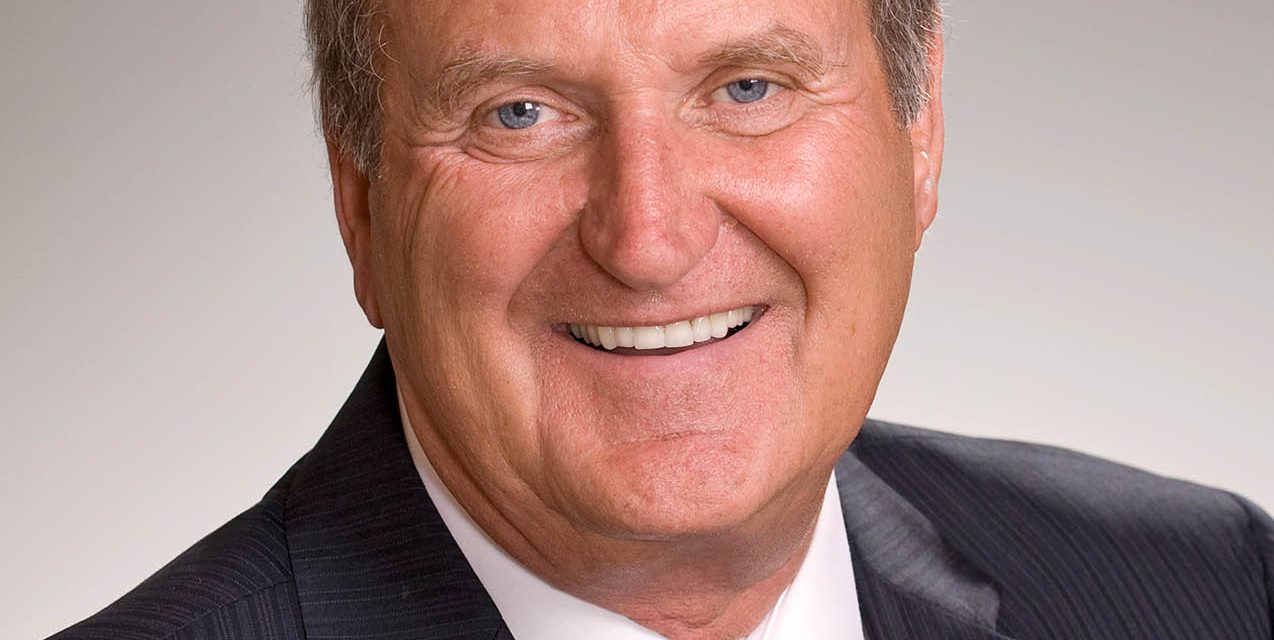
Stu Wells
Osoyoos, B.C.
Editor’s note: Stu Wells was mayor of Osoyoos from 2008 to 2014.

