By Sherani Theophilus, Times Chronicle
Local realtor Kevin Primeau’s attempt to secure compensation for used furnishings left in a property sale was dismissed when the judge found no evidence to support the claim and was critical of his lack of preparedness and uncooperativeness in the court process. The small claims case hearing occurred on December 30, 2025, in Penticton.
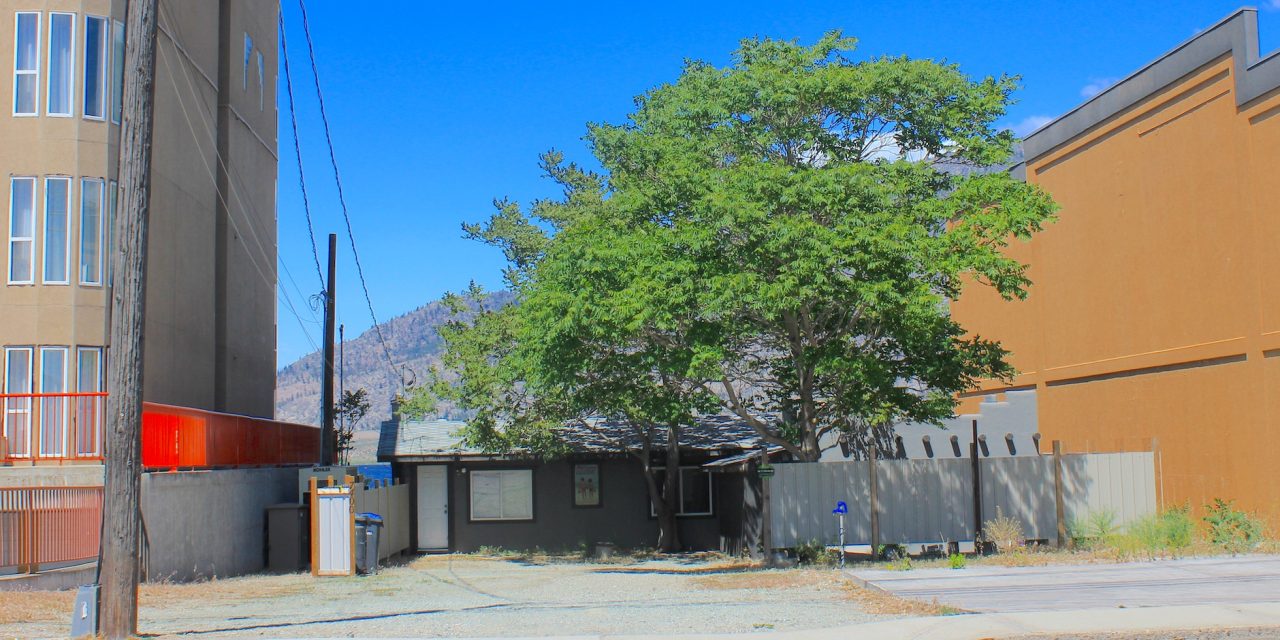
What should have been a simple sale and purchase of 7710 Main Street between Primeau and the Town of Osoyoos unexpectedly turned into a legal quagmire, resulting in financial costs and staff resources for the Town and ultimately taxpayers.
Primeau had been operating weekly rentals for years at the property, with the last occupants Tyler Herman and Bailey Jaymes caught off guard by the sale of the property only months after signing a rental agreement in 2024, as previously reported by the Times Chronicle.
The duo were unwittingly dragged into the conflict, with Jaymes sharing with the Times Chronicle last week that she was afraid to speak out due to potential repercussions.
“We made multiple 911 calls due to Kevin [Primeau] trespassing. He kept coming onto the property against our requests,” Jaymes related.
Compensation from the Town was sought for a lengthy list of furniture and fixtures left for the occupants until April 30, 2025 – months after the sale. In his claim, Primeau referred to having “previously disclosed a fixed-term tenancy and negotiated to leave furnishings valued at $23,095”.
The Town filed in early December to have the claim dismissed, with lawyer Catherine Li presenting the Town’s case on December 30, 2025.
Her arguments were based on the assumption that the claimant was pursuing damages for the tort of conversion (interference with someone else’s personal property), as the actual legal basis of Primeau’s claim was unclear.
Li asserted that the case should be dismissed because it was bound to fail and should be terminated as quickly as possible. She argued that the claimant cannot prove loss, nor quantum of damages, and the claimed items were abandoned.
She also argued that the claim was an abuse of the process, stating that the claimant is misusing the court’s process to gain a windfall, as documented by Primeau’s refusal to retrieve the items.
No response was submitted by Primeau to the court. The Times Chronicle reached out to Primeau before publishing, and while he was responsive, his answers lacked direct evidence and failed to address the specific questions posed.
Judge Wyatt pressed Primeau as to why he did not provide any evidence or documentation. Primeau responded that he thought he could verbally present his case.
The judge expressed her discomfort with Primeau’s lack of compliance to Judge Lopez’s orders from a settlement conference held previously and asked if he had legal counsel. He answered yes.
Wyatt also commented on how any case brought against the Town is paid for by taxpayers, and lack of preparedness and misuse of the court’s time was a burden on taxpayers. She spoke of how even storing these items safely was costly to the town.
She explained that Primeau could not sue for replacement value, but only for market value. Even so there were no receipts provided as requested that accurately represented the items left on the property.
She stated that there were only two judges in Penticton and the three day trial slated for this case would be taking court time away from cases relating to people’s safety.
Wyatt said that she was ruling in favour of the Town in their application to dismiss, but gave Primeau the opportunity to collect the items. The town agreed.
In the final order, the case was dismissed, and by consent, the items in question would be available on February 17, 2026 at 10 a.m. to be picked up by Primeau. After that date, the items are deemed abandoned.
Existing tenancy?
The town’s position is that no such tenancy was disclosed in the contract of sale.
In the Town’s filed response dated May 27, 2025, stated that the Town had “required that the Claimant remove his personal belongings from the Property by the Possession Time, and that it would consider the Claimant’s personal belongings to be abandoned if he failed to remove them”.
As a result of a freedom of information request, the Times Chronicle was able to view the Buyers Statement of Adjustments in the property purchase.
No mention was made of any damage deposit to be transferred to the buyer. In all cases, the purchase price must be adjusted to transfer any damage deposit if a tenancy is to be continued.
Primeau shared that he was instructed to cancel all rental agreements in an email to the Times Chronicle dated January 28, 2025, “What is also puzzling is why the Town wished to cancel the tenancy and forego $4,000 in rent and also instructed me to cancel all pre-booked summer rentals.
“Summer revenue for the property can reach as high as $40,000, and longstanding guests, some of whom have returned for over a decade, were understandably upset by this decision.”
Notice to the occupant
As previously reported by the Times Chronicle, the occupants, Tyler Herman and Bailey Jaymes, were shocked by the news of the sale, and posted for help on social media on January 20, 2025, stating they “found out from their landlord that while they were away, he sold the house they were renting to the Town of Osoyoos”.
Jaymes also confirmed that no notice was given of the purchase of the property ahead of the change of possession. The fact that the purchase agreement was made five days after signing a weekly rental agreement raises issues of transparency.
Access to property
Primeau claimed he was denied access to the property to collect the office structure and trailer after possession changed hands on January 17, 2025.
Rod Risling, Chief Administrative Officer, gave the Times Chronicle the following statement, “After the Town took possession of the property, many items not part of the sale agreement remained on the property, including a travel trailer, furnishings in the house, occupants of the residence and a semi-transportable office.
Risling explained, “Mr. Primeau was on the property after the sale date, preparing the office structure to be moved. It was still hooked up to the utilities, including electricity.
Mr. Primeau was asked to provide the Town with a waiver and an indemnity agreement for any and all potential risks associated with the disconnection of utilities and removal of the property.
“He chose not to provide these agreements, and therefore, the Town would not allow him access. The Town worked directly with the purchaser of the office structure to have it removed safely.”
Furnishings left in property
The same day the claim was filed by Primeau, Osoyoos Town Council passed a resolution to allow Primeau to collect his property. Primeau stated in court that he didn’t follow Town proceedings.
According to court documents, Primeau refused three separate offers to retrieve the furnishings left in the building after the tenants vacated the premises.
On May 30, the Town offered Primeau an opportunity to remove his items on three dates in June, with the condition of releasing the Town of any further claims. Every item left on site was itemized in an inventory that ultimately was larger than the inventory submitted by Prineau in his own claim. If the offer was not responded to, the town would consider the items abandoned according to the offer.
In his response dated June 3, Primeau declined the offer with a full release of all claims. He also declared his interest in a “compensation-based settlement” instead.
A second offer dated June 4, was sent to Primeau by Catherine Li, legal counsel for the Town, which removed the release and once again reiterated that Primeau can pick up the items.
On June 6, Primeau wrote to Li and stated was no longer seeking the return of the items, only financial compensation, and his refusal to collect his items should not be construed as abandonment of the items.
On June 10. Li once again made the offer to Primeau to retrieve his items to avoid litigation.
Settlement conference
On August 29, 2025, a Settlement Conference Record was registered with the court. A settlement conference provides both parties in a legal dispute with the opportunity to sit with a BC Provincial Court judge to explore ways to settle their case without going to trial.
About two-thirds of all Small Claims cases are resolved at a settlement conference, without going to trial.
The order from Judge Lopez set out terms, including the following to be completed on or before October 1, 2025:
- Defendant (Town) must disclose all documents related to the purchase of the property;
- Claimant (Primeau) must provide the Town with all correspondence between himself and the tenant, Tyler Herman, between January 1, 2024 and December 31, 2024;
- Primeau must provide copies of all receipts and invoices for the items claimed.
- Claim does not include the beach hut on foreshore;
- Both parties must provide the other with a copy of all documents, photographs, and other forms of evidence they intend to rely on in court.
The Town complied fully with the order. No documents were submitted by Primeau before the October 2 deadline.