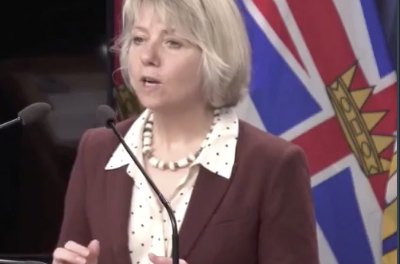
A medical health officer for Interior Health believes it’s only a matter of time before fentanyl overdoses occur in the Oliver community. File photo
If people are overdosing on fentanyl in Penticton, there’s no doubt the same hazard will make its way to Oliver soon, according to Interior Health.
“These drugs tend to follow roads,” said Chief Medical Health Officer Dr. Trevor Corneil.
He stressed that the recent overdose cases in Penticton are a warning to other communities in the South Okanagan. In fact, he said the 25 overdose events in the last two weeks (in the Penticton region) represent what is becoming the “new normal” in BC.
In an interview with the Oliver Chronicle, Corneil said 25 is a huge increase compared to the average number of overdoses (one to four) in any given month.
In the last calendar year, there were two overdose deaths, he pointed out, but none so far this year.
Corneil said there have been no reports of fentanyl overdoses in Oliver, but he believes it’s just a matter of time.
Fentanyl is a synthetic opioid pain medication similar to morphine but 50 to 100 times more potent.
Because of the increase in fentanyl cases, Interior Health has responded by providing naloxone kits to all of its health care access points (hospitals and health centres).
Corneil said naloxone is a life-saving antidote that blocks or prevents overdoses from happening by reversing the effects of opiates.
Each kit contains three vials of naloxone, needles, gloves and a mouth-to-mouth resuscitator (a device used to breath for an unconscious person). Once injected into a muscle, the drug works within five to 10 minutes, Corneil said.
The medical health officer said the kit has proven its worth in numerous overdose cases in the region.
Corneil advises opiate users to use small amounts of their drug of choice, but not to use it alone.
“Use it with someone who is not using, and make sure to take home a naloxone kit.”
Corneil highly encourages users to go to an access point (health centre, for example) and ask for the kit, which is all part of Interior Health’s drug education program. He also noted they are making substance use counselling and treatment more available to high-risk users.
By Lyonel Doherty