By Don Urquhart, Times Chronicle
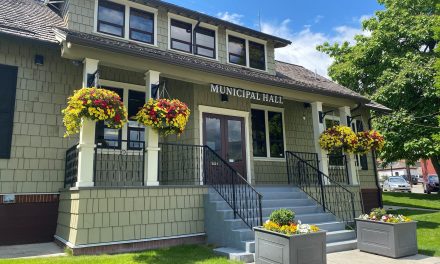
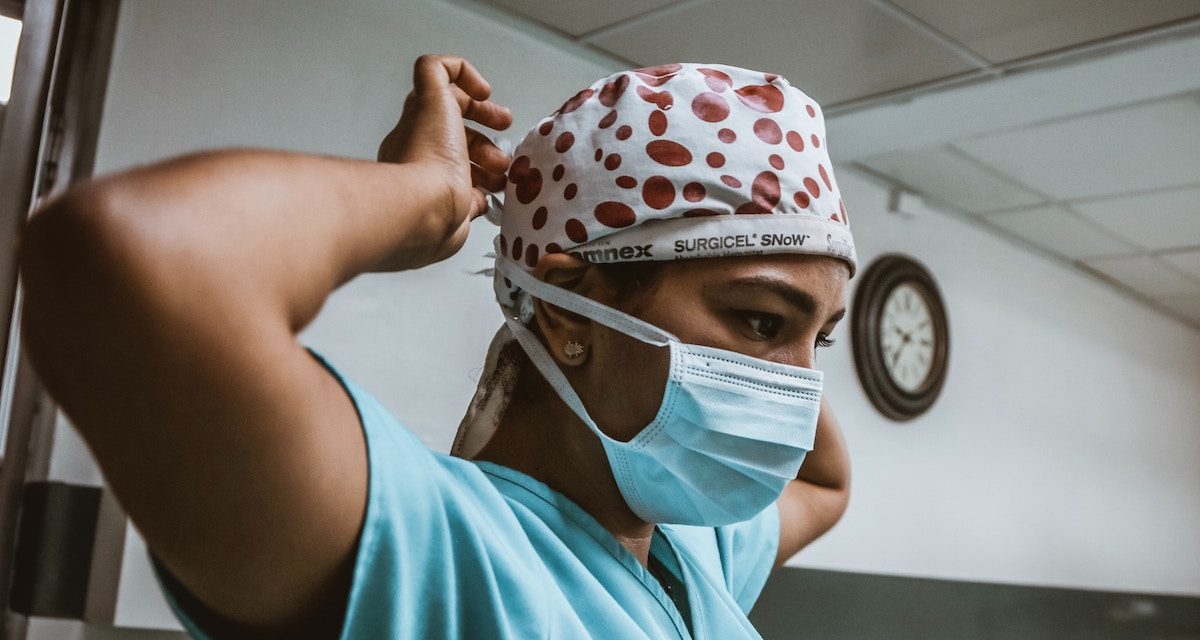
The Town of Osoyoos is set to engage local medical professionals as it embarks on a new strategy to “go it alone” in a bid to attract and retain doctors and nurse practitioners.
Osoyoos Council agreed at a March 28 Committee of the Whole meeting to work separately but still in concert with other regional and provincial efforts to address the unprecedented crisis that has left one million British Columbians and an estimated 800 Osoyoos residents without primary care.
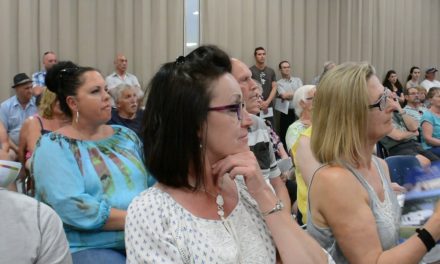
Discussion centred around the ongoing problem and the apparent lack of any movement on the issue.
As a first step council adopted a resolution directing town administration to coordinate a meeting with local physicians and nurse practitioners to discuss how the town can assist with the recruitment of health professionals.
Osoyoos CAO Rod Risling highlighted the fact that this is not actually a municipal responsibility, “but council is continuously asked by residents to do something, and that puts council in a difficult position.”
Kicking off the discussion Risling asked whether council wanted to assist with recruitment and retention of medical professionals, adding it is “not a simple answer”.
He noted that no resources are earmarked for this but the town is an underserved community and this has impacts on other areas such as tourism – specifically “snowbirds” – along with attracting and retaining a general workforce.
While all agreed there was a need for the town to get involved, the devil is in the details.
Councilor Johnny Cheong suggested a triage approach to the problem by “focusing whatever resources we are going to allocate, to doctors and nurse practitioners,” he said in response to questions about what type of medical professionals the town was focusing on.
It is a “confusing and complicated issue,” Osoyoos Mayor Sue McKortoff said before noting that she and CAO Risling met with the Divisions of Family Practice in late March. “They represent all the doctors in the area,” she said, adding that the one key element that was highlighted in the meeting was the need to deal with primary care and primary care networks (PCNs).
Cheong agreed, underscoring the fact that the general practitioner is the “gate keeper” for primary care. “It’s the lynchpin to PCNs,” he added.
McKortoff noted that Interior Health had said five years ago that primary care centres were coming. ‘We’re still waiting for this,” she said with thinly veiled frustration. “There is lots of talk about Penticton, but what about rural areas like Osoyoos and Oliver?”
The PCN is, however, back on the table McKortoff said, with Interior Health now in the process of setting up a primary care steering committee.
She said one of the key issues that may be inhibiting more effective solutions is that of too many competing agencies and associations all trying to make their mark on a solution to the shortage of primary care practitioners.
“There are too many agencies weighing in on this including Interior Health, the Ministry of Health, Doctors of BC, the division of Family Practice, and they all want to have a say in this,” the Mayor said.
On a positive note, McKortoff said “we do have a couple of international medical graduates that are due to come to Oliver and Osoyoos – we’re not quite sure which – this summer.” This segued into a discussion around the possible pitfalls of competition between Oliver and Osoyoos.
Risling then asked whether council wanted to focus “just on our community, or Oliver as well? The general agreement in the chambers was to focus on Osoyoos, but came with some caveats.
“What we are doing here in Osoyoos affects what happens in Oliver because we both share SOGH,” McKortoff said.
Similarly, Councillor Zach Poturica cautioned that council should be mindful that SOGH service levels “have in general deteriorated from the service level it once had of a 24-hour facility to triage evening night coverage.”
“While we want to take on a role of facilitating doctors and nurse practitioners to service Osoyoos only, it’s also important to support the role of SOGH,” he urged.