By Don Urquhart, Times Chronicle
Osoyoos could soon face thousands of dollars in penalties – which would then be passed on to taxpayers – should the town continue to fail recycling audits by Recycle BC.
The town has continuously failed to meet the contract requirements with Recycle BC for some months now and has embarked on a public education campaign that so far, has yielded little results.
Recycle BC, the provincial organization overseeing recycling across the province, requires recycling collectors to maintain contamination (non-recyclables) rates of less than 5 per cent to meet contract requirements.
Currently, the Town says the curbside recycling contamination rate is up to triple the allowed maximum, varying between 8–16 per cent.
The Town must substantially reduce the rate of recycling contamination before the end of 2025 or risk fines. In addition to educating residents, Recycle BC requires that Town staff conduct curbside audits of recycling cart contents.
According to Rod Risling, Chief Administrative Officer (CAO), “Recycle BC conducts periodic audits all the time and then they give us a kind of report card,” he said. Unfortunately the town’s grade on that report card has been getting “steadily worse”.
“So when that occurs we then have to put a whole plan together to meet their requirements, which one of the big pieces is doing curbside audits.” This means town staff have to look at the contents of people’s recycling bin to see if there’s anything awry.
“We just leave an audit result sheet with them indicating why the audit failed and if they failed, we go back again and hopefully it’s improved,” he said, adding it’s basically an issue of educating.
“If we don’t start improving, we may have to look at some other measures,” he said, pointing to the potential for Recycle BC to impose fines on the town. By way of example, Kelowna and West Kelowna were fined in the last quarter of 2022, a total of $55,000 in penalties from Recycle BC.
Risling is hopeful that education will do the trick and agrees in general it’s not about people willfully doing the wrong thing, but just not going about it correctly because of a lack of awareness of what is and isn’t allowed.
A big one is books, for whatever reason, books are not recyclable. Others are items that are grouped together in a plastic bag for instance. “A lot of people are doing that,” he adds. Every item needs to be on its own in the bin.
“And some of the most common things right now that we’re finding is food still in containers – people are leaving too much food in the containers.”
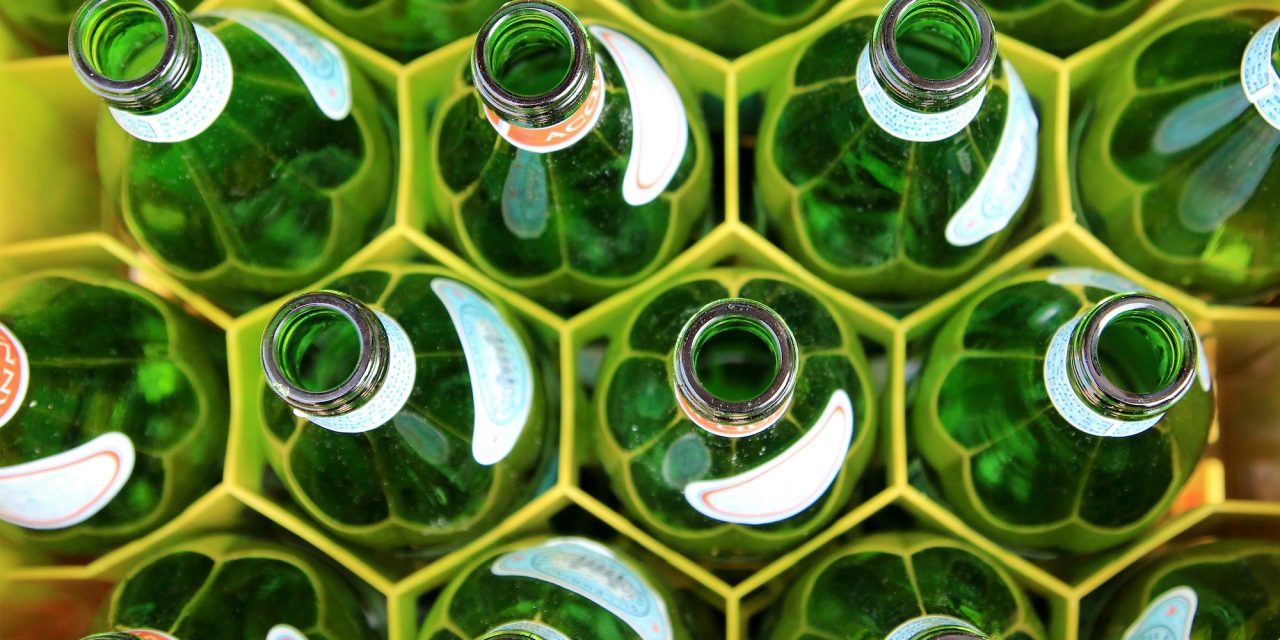
Glass and styrofoam are also being found in the bins and while both are recyclable they are not accepted at curbside and must be taken to a recycling depot. Similarly clothing is not recyclable neither at curbside nor the local depots.
Residents are asked to help pull up the town’s sinking grade by checking their recycling, and removing contaminants, including:
- Containers with food or liquid inside;
- Recyclables packed inside a plastic bag (plastic bag not accepted);
- Scrap metal, wood, broken glass, loose shredded paper, frozen food boxes;
- Drinking glasses, ceramics, clothing, hardcover books;
- Hazardous material containers with any contents remaining;
- Clothing and other textiles.
Residents struggling to sort it all out can use Recycle BC’s online lookup tool at recyclebc.ca/what-can-i-recycle/ or call 1-604-RECYCLE. For a full list of acceptable materials and guidelines, visit osoyoos.ca/services/garbage-and-recycling .