By Don Urquhart, Times Chronicle
A growing number of requests by the public for video surveillance in Osoyoos have led Council to unanimously adopt a policy around the use of video surveillance systems, aiming to strike a balance between public safety and asset protection along with the privacy rights of individuals.
While noting that alternative options have been tried, “it’s now moved to the point that we are looking at video surveillance for these areas,” said Amy Robinson, Deputy Corporate Officer for the Town of Osoyoos, in a presentation to Council recently.
Prior to considering video surveillance, alternative deterrent measures were implemented, including storing vehicles in secure off-site locations, and installing motion-activated lighting in locations prone to vandalism and graffiti were tried but failed.
The policy will apply to all video surveillance systems installed in or around municipally owned buildings, facilities, parks, and open spaces.
“All surveillance installations will be configured to ensure that sensitive or private areas are excluded from monitoring,” Robinson said.
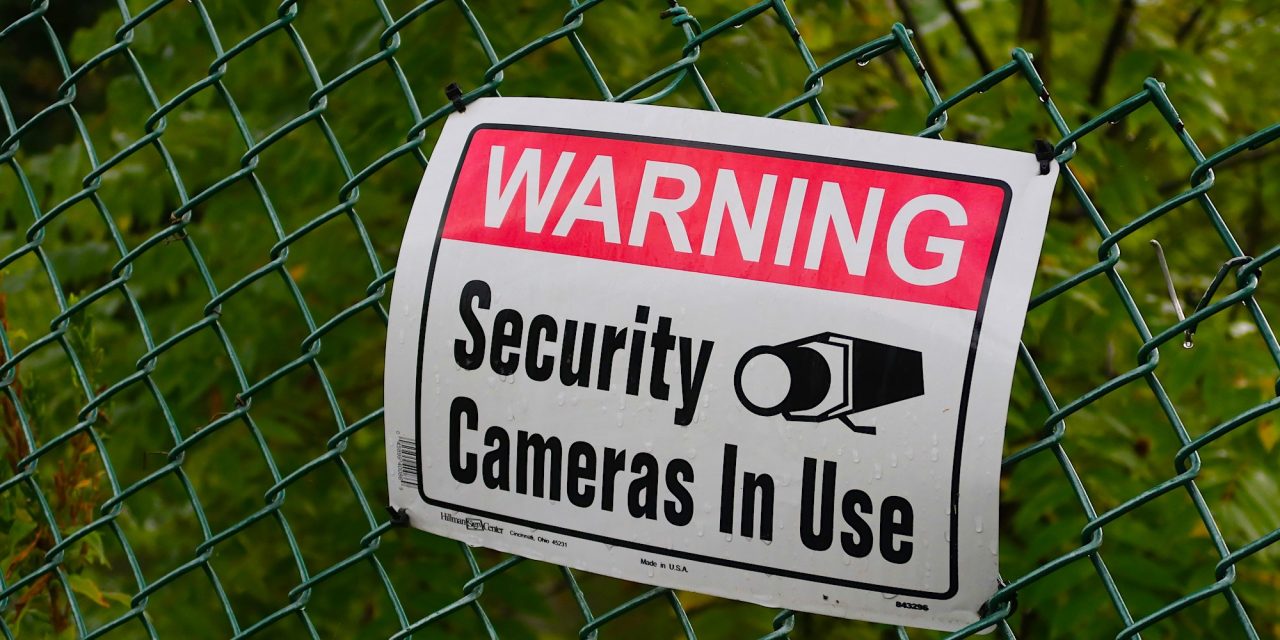
A key provision of the policy includes a requirement that any new video surveillance systems that are installed will first have to come before council for approval. Council will need to approve where these cameras are going, signage will be placed so that people know that there is video surveillance taking place, and a Privacy Impact Assessment (PIA) will need to be completed.
The PIA will include assessing risks and determine the necessity and proportionality of surveillance and will be reviewed and approved by senior municipal staff, legal advisors, and the Office of the Privacy Commissioner.
Not all video surveillance will require a PIA, however, as Robinson noted that “routine, motion-activated security cameras do not always need a PIA.”
“The use of surveillance will be carefully managed to ensure compliance with privacy legislation and ethical standards,” Robinson said.
“Part of the reason that we wish to bring this forward now it’s in an effort to ensure that we’re in complete compliance with the Privacy Commissioner’s recommendations around surveillance of any area that could be public,” added Marg Coulson, Director of Corporate Services.
“Some of the cameras that we’re going to be looking at as we go forward will be, say, in Gyro Park, they will be picking up a wider span of information and possibly impacting the people who visit the park. So we want to make sure that we take the highest level of assessment on that and confer with the Privacy Commissioner’s office before putting those cameras in.”
Access to the recorded video will also be restricted, with only the Chief Administrative Officer (CAO), Corporate Officer and Director in charge of the facility (if internal video surveillance) having access to the video if necessary.
In a discussion around the policy, Councillor Jim King asked how long the video is stored for. Council was advised that the duration of storage is dependent on the size of the hard drive recording the video. Once capacity is reached, it is over-written with new video data, with current equipment enabling one week’s worth of storage.
King then asked how many cameras in total are being considered, to which Coulson said would be about seven.
Discussion then shifted to the potential for cloud storage, solid state drives and the usability of the equipment in terms of having the video data available for investigative purposes and not overwritten after a week or more.
Coulson indicated that there is an “anticipation of the new equipment that’s going to be coming in that fits this possibility better than, like I said, a motion-activated security camera.”
Councillor Johnny Cheong commented that “if we’re going to put a system in place to ensure the safety and security of our community, I’d like it to be actually usable, in the sense of having that footage available.”
Noting he had touched on an important point, Coulson replied, “The number one reason that I’m aware of anyway is for the protection of town assets as opposed to the protection of our residents.”
She added that how long data is kept would be informed by a discussion with the Privacy Commissioner. “I would say, in general, the commissioner’s office doesn’t favour keeping information like that for a longer period of time, and there are going to have to be very strict controls on who has access to that information, and that includes where it’s stored.”
Councillor Zach Poturica, drawing on his retail experience, noted that it’s usually within 24 to 48 hours that an organization becomes aware that a possible crime has been committed and that the footage needs to be separated.
“Somewhere around that 30 days, I think, would be appropriate [to keep the video data], based on most cases, at least, you’re aware of something taking place that gives you that time to do so, and it gives the RCMP or Crown at least some feedback, and some time for them to come back if there’s any additional information that they need or that may have been missed,” he said.