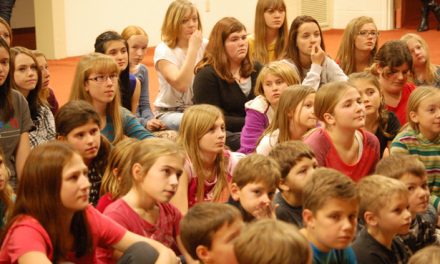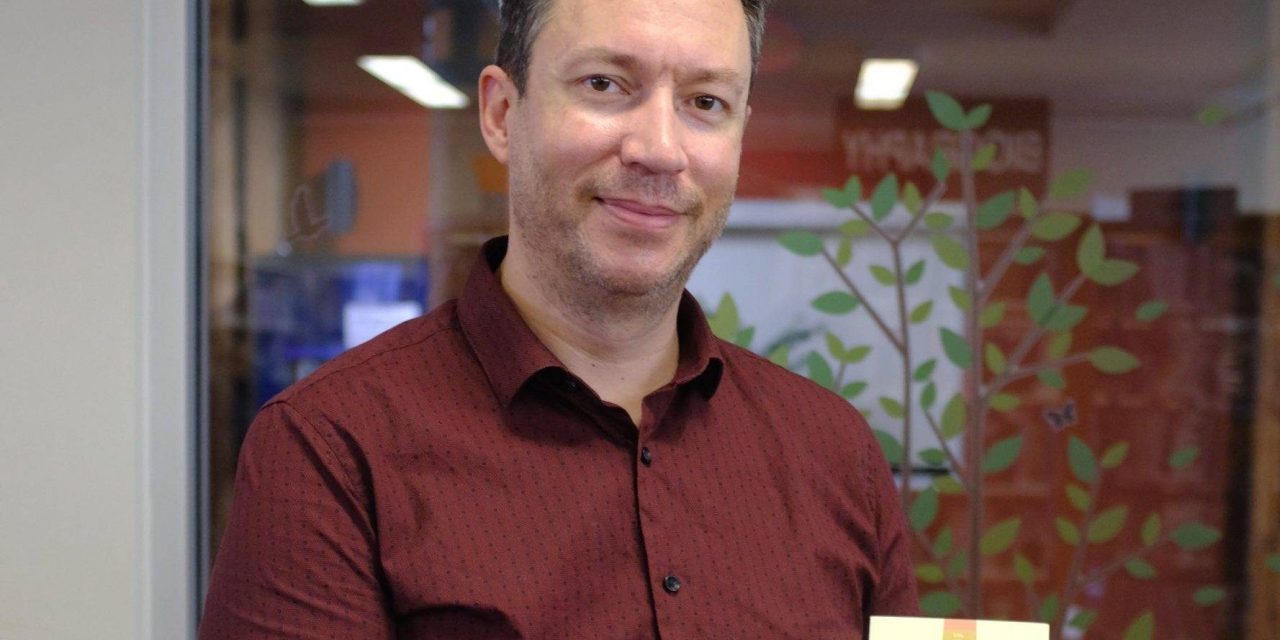
Local author and wine industry professional, Luke Whittall, held a chat and book signing for his latest book “A Sipster’s Pocket Guide to BC Wines,” at the Osoyoos Library last Saturday, which takes on a new, fresh way to talk about wine.
Luke Whittall started working in the wine industry back in 2005 to see if he would still enjoy it while being immersed in it all day. The simple answer: yes.
Then, wanting to move to the wine capital region in B.C., Whittall found himself in the Okanagan, and in Oliver, specifically. He worked in a number of notable vineyards and wine cellars including Kettle Valley Winery, La Stella, and Le Vieux Pin, to name a few.
In 2019, Whittall published his first book, “Valleys of Wine: A Taste of British Columbia’s Wine History,” about the history of B.C.’s wine industry. Nobody had really written about it before, he said, adding that the last time any book on that topic was published was 1983.
“A lot has changed since then obviously and I wanted to explore that,” said Whittall. “The other thing is that there wasn’t a lot of knowledge about our history as an industry here. And so that became the goal; to kind of figure out what our story is, why do we have these vineyards here, and why do we have this wine industry here? For people of my generation, we just think it’s always been here, but that’s not the case.
“A Sipster’s Pocket Guide to BC Wines” explores a different challenge to take a look at 50 “must-try” B.C. wines and talk about them in a down-to-earth fashion.
Initially, Whittall said he approached this book with an interest in how people talk about wine.”It’s hard to describe the colour green to someone without using the word green. How would you do it?” Whittall asked, using this as an example to the challenge of effectively writing about wine. “So it’s the same thing with tastes, smells, and aromas.”
“What I did was I just tried to find other ways to talk about wine that might be more engaging and more entertaining, and may give the reader or the taster a sense of the wine in some way that will help them understand it, that isn’t just, you know, ‘93 points and aromas of figs and penguins, and grass, you know, that kind of thing,” joked Whittall.
Though there is a reason for the technical language and culture that surrounds wine, finding new ways to describe wine can actually make it more fun, he said. Even when he used to work as a wine seller, Whittall said he would try to do this same thing when he talked to people about a specific wine to engage them better.
At the same time, Whittall is conscious not to “dumb down” the topic or talk down to his readers in any way. He holds up the value and honours these wines, while revealing their characteristics to readers through creative ways.
“The big criticism with wine is that it’s pretentious. And I don’t really like that word for describing wine because there’s nothing wrong with knowing about wine,” said Whittall. In that case, “I want the pilot of the plane that I’m flying to be the most pretentious pilot ever. There’s nothing wrong with him or her knowing everything about flying. In fact, that’s a good thing.”
The issue, however, he explained, is that these people who know a lot about wine don’t always know how to communicate that knowledge to people who aren’t familiar with the wine industry language. “And so that’s what I challenged myself to do with this book,” he said.
Having written the book entirely in the pandemic, Whittall approached the process with a creative spirit. He tested the 50 wines chosen for the book and wrote about them through last winter, occasionally pulling up his computer at dinner to take impromptu notes about this drink in his hand. Ultimately, working on the book that gave him a focus through the dark winter was a fun project for him.
At the same time, Whittall isn’t trying to tell you what you should be tasting. In fact, he encourages people to trust their own tastes. Everyone knows how they go through the act of tasting better than anyone else, he said.
“I find it really sad when someone comes up to me and says, ‘oh, I guess I’m just not a good taster.’ And that’s really not the case,” said Whittall. “But everyone can smell and everyone can taste, so it’s just a case of focusing and practising. What it comes down to is if they like the wine, then it’s a good wine. They shouldn’t need an expert to tell them that it’s a good wine.”
Whittall said he hopes for people to simply gain some enjoyment out of reading his new book, as well as perhaps also gain a new way of expressing their experience of tasting wine.