By Don Urquhart, Times Chronicle
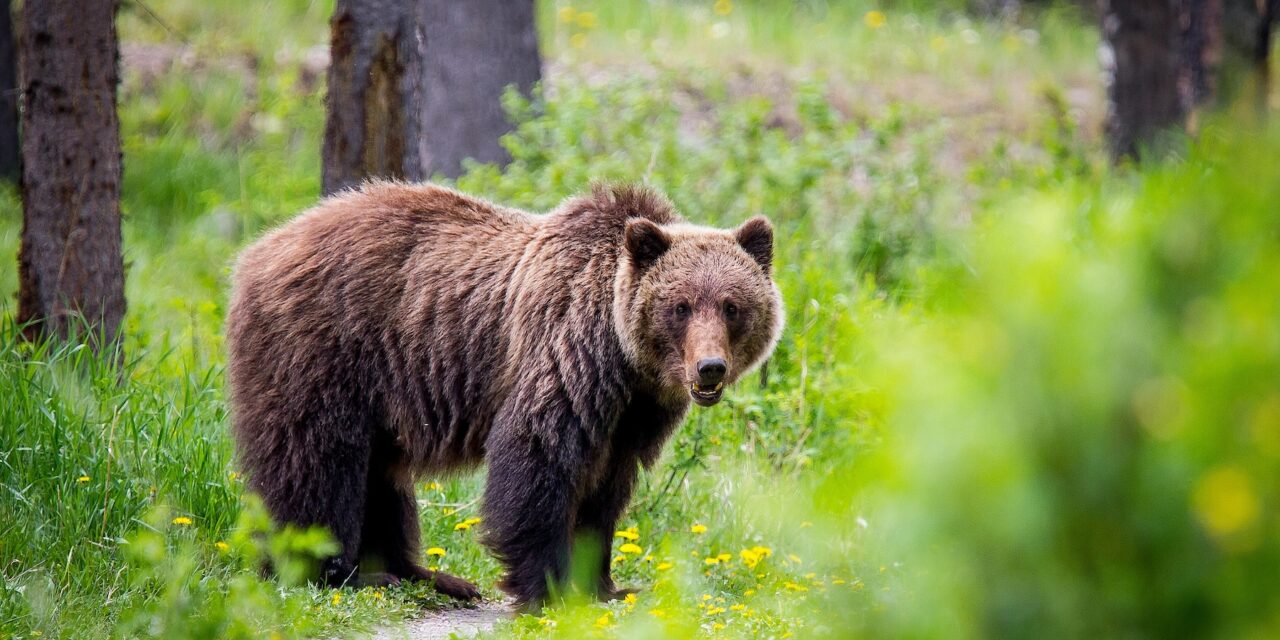
Grizzly bears are set to return to the North Cascades Ecosystem after decades of advocacy and collaboration crucially involving the Syilx Okanagan Nation resulting in the approval of a restoration plan.
The decision to actively restore ki?lawna? (Grizzly Bear) to the ecosystem bordering southern BC was made by the US National Park Service and US Fish & Wildlife Service after decades of advocacy work by environmental non-governmental organizations, the public and the Syilx Okanagan Nation whose historical territory is now transboundary.
ki?lawna are an integral part of Syilx Okanagan culture and are a critical indicator of the health and well-being of the land and Syilx Okanagan people since time immemorial, according to the Okanagan Nation.
“The decision to restore grizzly bears to this sacred part of the landscape is an indicator of our leadership’s commitments that demonstrates a clear example of our Nation’s continuing efforts to uphold our responsibilities for the tmixw (living things), said Osoyoos Indian Band Chief Clarence Louie, Okanagan Nation Alliance (ONA) Tribal Chairman.
“We are beginning a long process of recovery, and we are pleased to embark on this journey together with our US partners” Louie added.
Prior to colonialism and the drawing up of the border the Syilx Okanagan territory spread from the Okanagan/Similkameen valleys southwards into the northern Cascade Mountains following essentially the continuous ecosystem of the area.
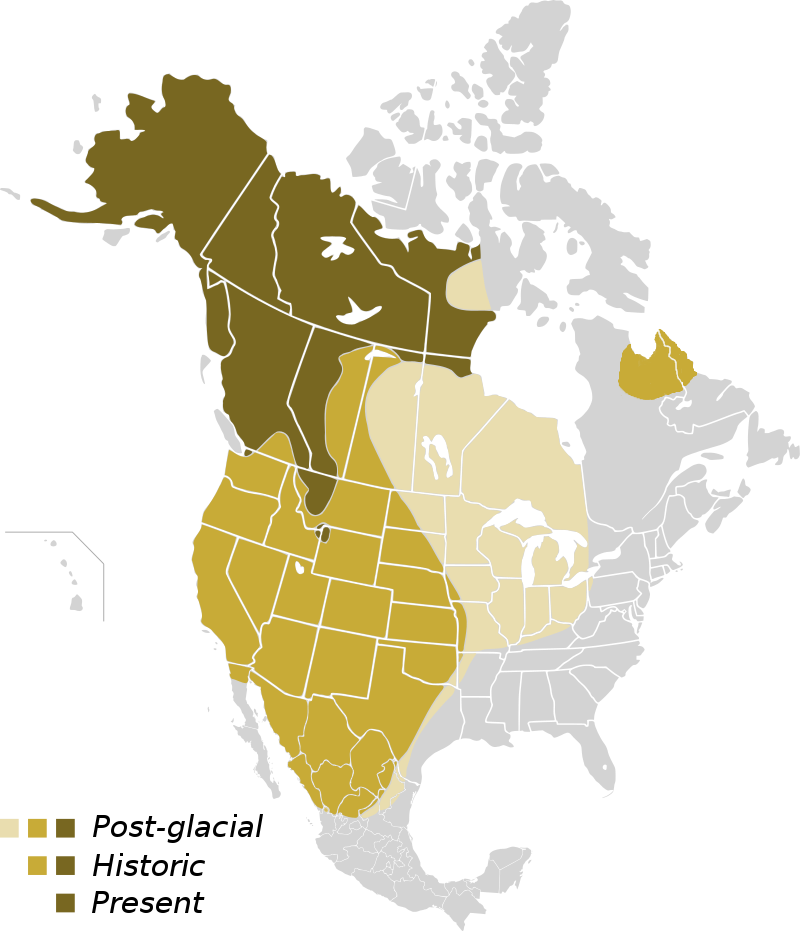
North American Grizzly bear range post-glacial to the current day. Wikipedia map.
The decision was made by the two US agencies and enacted through the signing of a Record of Decision on April 25 involving the active restoration of grizzly bears to the ecosystem under a “nonessential experimental population designation”.
“The announcement of the Decision to Actively Restore ki?lawna? to the US North Cascades Ecosystem in the US marks an important moment in history for recovery efforts on both sides of the border. Restoring ki?lawna? to the North Cascades Ecosystem has involved multiple decades of work by many committed people, leading us to where we are now.
“From the Syilx Okanagan Nation’s perspective, our partnership with our US cohorts on this work demonstrates a clear example of naqsmiʔst xə̌ l tmixw (coming together for all living things)) and that we are collectively righting a wrong and returning ki?lawna to a transboundary ecosystem that depends on their presence.
“This decision re-confirms our commitment to protecting ki?lawna today and for generations to come.”
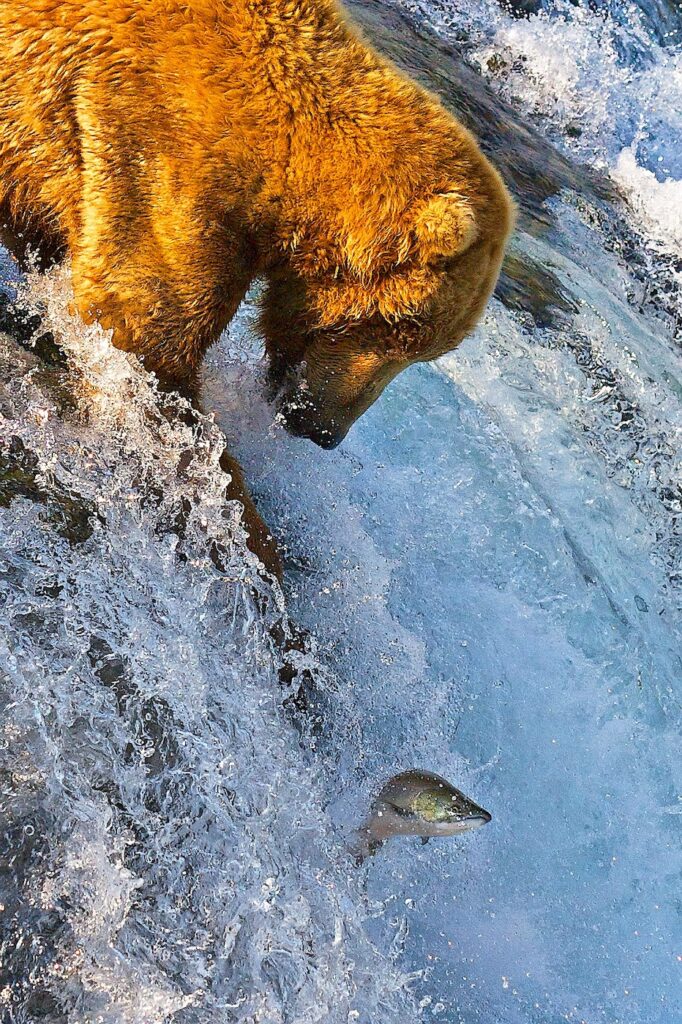
Grizzly bear fishing in Brooks Falls Alaska. Dmitry Azovtsev photo on Wikipedia.
In 2014, the ONA Chief’s Executive Council declared ki?lawna protected across the territory and set a mandate to take action to restore and protect endangered populations, including throughout the North Cascades Ecosystem.
The ONA has since led recovery and stewardship planning efforts in partnership with its nation’s communities and neighbouring Nations, including the S’olh Temexw Stewardship Alliance, the Coast to Cascades Grizzly Bear Initiative and Conservation Northwest.
“We also look forward to continuing to advance collaborative efforts to prepare for Grizzly Bear recovery in the British Columbian portion of the North Cascades with the BC and Federal Governments,” the ONA added.