By Times Chronicle Staff
Okanagan students are getting up close and personal with local invasive species through a new project spearheaded by the Okanagan and Similkameen Invasive Species Society (OASISS).
With input from local biologists, indigenous knowledge keepers and classroom teachers, the Okanagan and Similkameen Invasive Species Society (OASISS) has developed a series of six lesson plans titled “Biodiversity Under Siege: Teaching Okanagan Students about Invasive Species.”
“This project aims to educate and inspire students while deepening connections with the local environment,” states Lisa Scott, Executive Director of OASISS.
“The content focuses on invasive species and the threat they pose to biodiversity in the region.”
The two year project was made possible with funding and support from the South Okanagan Conservation Fund and the Regional District of Okanagan-Similkameen (RDOS).
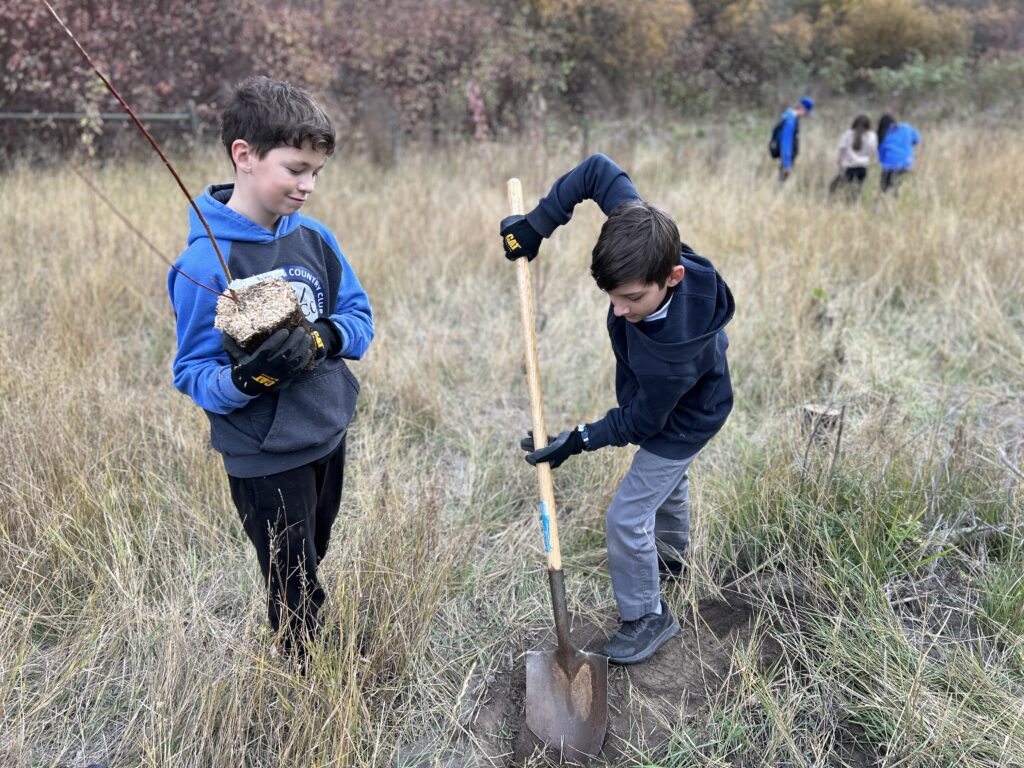
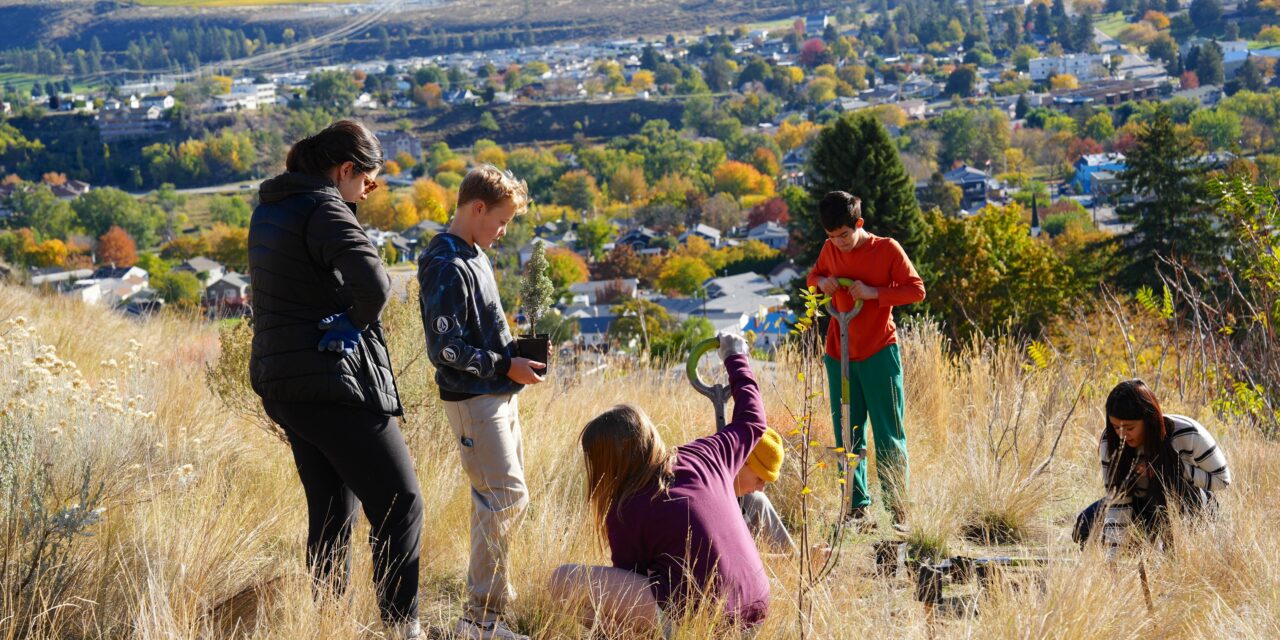
Students from Holy Cross School in Penticton removing invasive plants at a local wetland near Max Lake west of Penticton. The invasive plants were replaced with native trees and shrubs. OASISS photo
Each lesson focuses on a specific topic such as terrestrial species, aquatic species and invasive insects. These are conveyed to students through lesson plans which include PowerPoint presentations, note sets, hands-on activities and instructional videos.
The project encourages outdoor or place-based learning, allowing students to expand their knowledge through action in their community. The lesson plans were recently translated into French, for use in French Immersion or as part of French language courses.
Teachers in School Districts 67 and 53 have already piloted the project and the feedback has been positive, according to OASISS.
“We’ve got units in climate change, evolution and biodiversity and not a lot of good resources to teach it in a practical and applicable way. It’s hard for teachers,” says Trevor Buller, a teacher at Holy Cross School.
“When I found OASISS was doing this great work I was excited to try the lesson plans. My students have loved getting outdoors and learning they can make a difference in their community.”
For more information visit the Biodiversity Under Siege project online.