By Sebastian Kanally, Times Chronicle
The drums thundered and songs echoed through Okanagan Falls on Friday April 14, when the Osoyoos Indian Band (OIB) let the people, and more importantly the land and the salmon know they are back on their traditional land.
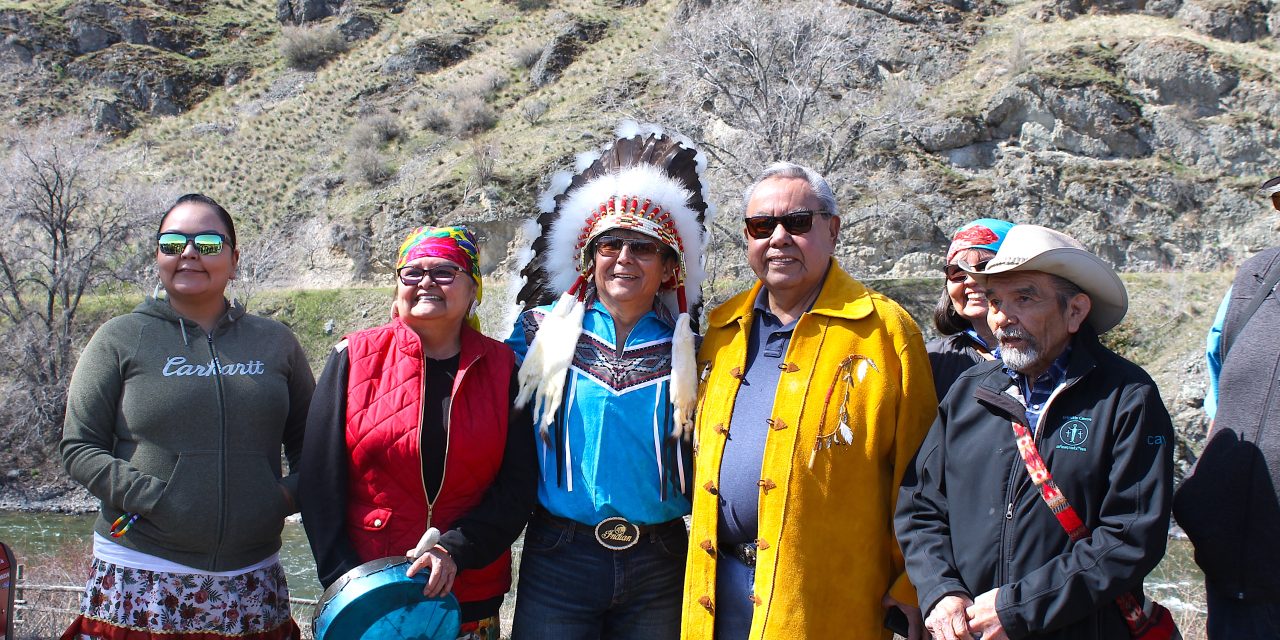
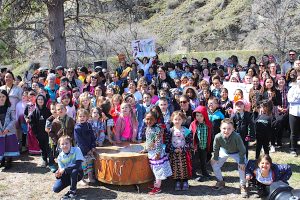
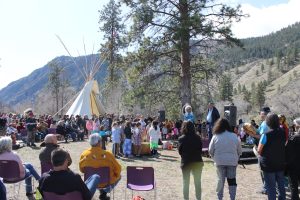
The OIB held a ceremony celebrating the purchase of a very important piece of their traditional fishing grounds in Okanagan Falls this past weekend, with hundreds of people gathering to witness the historic moment.
The OIB brought life to the land with traditional drumming and songs, speeches from elders, stories of the land, and calls for the Salmon to hear that they have returned.
After the ceremony at 5444 Hawthorn Place, Okanagan Falls, the ceremony continued at the OIB office where there was a large feast with salmon, hamburgers and hotdogs as well.
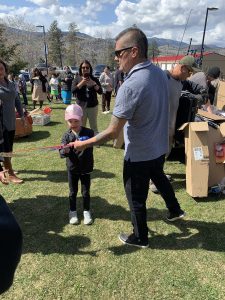
Sherani Theophilus photo.
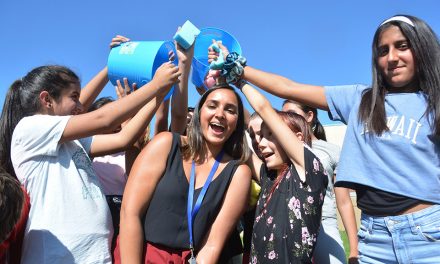
The importance of this day for the children was honoured by the gift of a fishing rod to every child in recognition of the band purchasing this acre of their traditional fishing grounds back.
The purchase of this one acre of land has huge spiritual significance for the OIB, said OIB Chief Clarence Louie.
He continued, “it’s so neat to hear the elders and hear the old stories and to have the kids here to see first hand that we got one acre, we are going to get back our old reserve lands one acre at a time.”
The OIB invited town councilors from Osoyoos, Oliver and the Regional District of the Okanagan-Similkameen representatives, alongside many indigenous and non-indigenous peoples in the spirit of “truth and reconciliation,” Louie explained in a pre-event release.
Sebastian Kanally photo
This one acre of land was originally part of the reserves set aside in 1877 for the OIB and a part of 71 acres that were stolen from them in 1913 through the “swipe of a pen” under the Mckenna-McBride Royal Commission, Louie explained.
The event showcased speeches and homage paid to the elders that created roadblocks in January 1974 and hunkered down in protest wanting their land back. Louie noted that their willingness to stand up at this moment was where this process to get back the lands the commission “cut-off” all began.
“We are going to get our land back if it takes one acre at a time, that’s just the way it is,” Louie said after the ceremony.
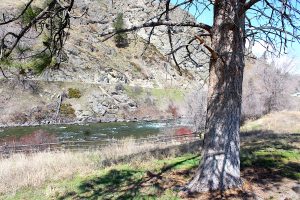
The history of the site is well known by the local language and traditional knowledge keepers. The location is where sin’ka’lip (coyote) placed a dam for the Okanagan (siylx) people to salmon fish. The location is identified by three landmark hills brought by coyote, “beaver, muskrat, and fisher” reminding everyone of the connection between the mountain and the water, and the duty to keep the water clean.
Sebastian Kanally photo.
Louie wanted everyone to know the importance of reacquiring this land, noting that “we can’t avoid the original confrontation between first nations and settlers, it has always been over land, and even today, 500 years later, it’s still over land.”
“All over North America, whether it is the US or Canada, reconciliation is being talked about, Indigenous rights, truth and reconciliation. The truth is this was our land, your ancestors, my ancestors, set this aside on purpose for the Osoyoos Indian Band and the Okanagan Nation people because of the cultural, historical and fishing significance of this site.”
The ceremony saw children drumming and singing traditional songs and were urged to sing loud to call the salmon back from the ocean to the traditional fishing grounds.
When asked if the Band was upset that they had to buy land back that was stolen from them, Louie was resolute in that it is not about the money. “Land is always more important than money, always has been, always will be. We don’t like the fact that we have to buy our own land back, but that’s just the way it is.”
Louie continued to explain that “most bands had their best lands taken away and were forced on swamps and non-economic use areas, so through claims they are buying back lands and putting them near highways and municipalities and that’s why no mayor and council should object to the additions to the reserve process.”
Sebastian Kanally photo.
Going through the process of adding this piece of land to the OIB reserves is the next step noted Louie.
He spoke of genuine reconciliation, which would at least in part entail returning the land to the OIB. “We fully understand that private land is not on the table of any land claims, discussions, and negotiations, but there is still provincial land being held here, there is a provincial park here that should come back to the Osoyoos Indian band.”
“I too want to see genuine reconciliation. And that has to start with land. Not land acknowledgements, or flying our flag at your municipal halls . . . it’s good to see the province has taken baby steps, and I call them baby steps. I want to see an adult step, it’s time for adult steps, no more baby steps.”
“Reconciliation to me means we start getting our reserve back to its original size,” he added.
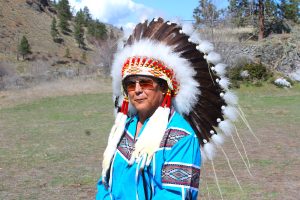
Sebastian Kanally photo.
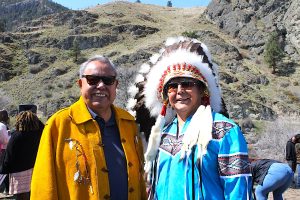
Sebastian Kanally photo.
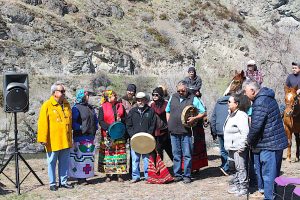
Sebastian Kanally photo.
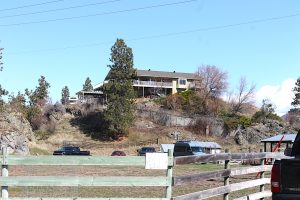
Sebastian Kanally photo.
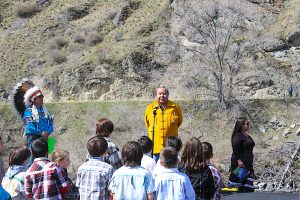
Sebastian Kanally photo.
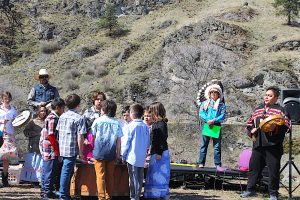
Sebastian Kanally photo.
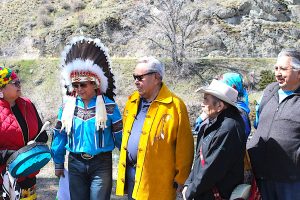
Sebastian Kanally photo.
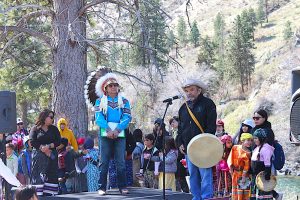
Sebastian Kanally photo.
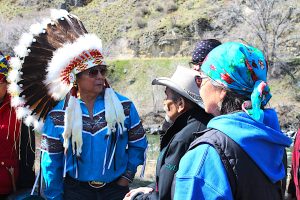
Sebastian Kanally photo.
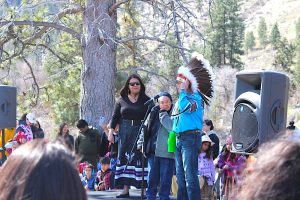
Sebastian Kanally photo.