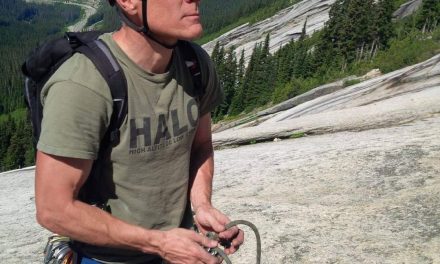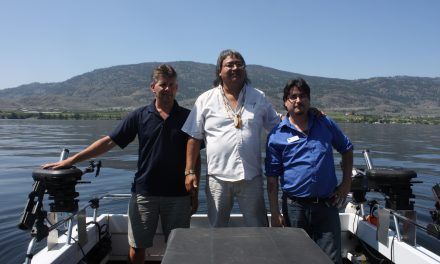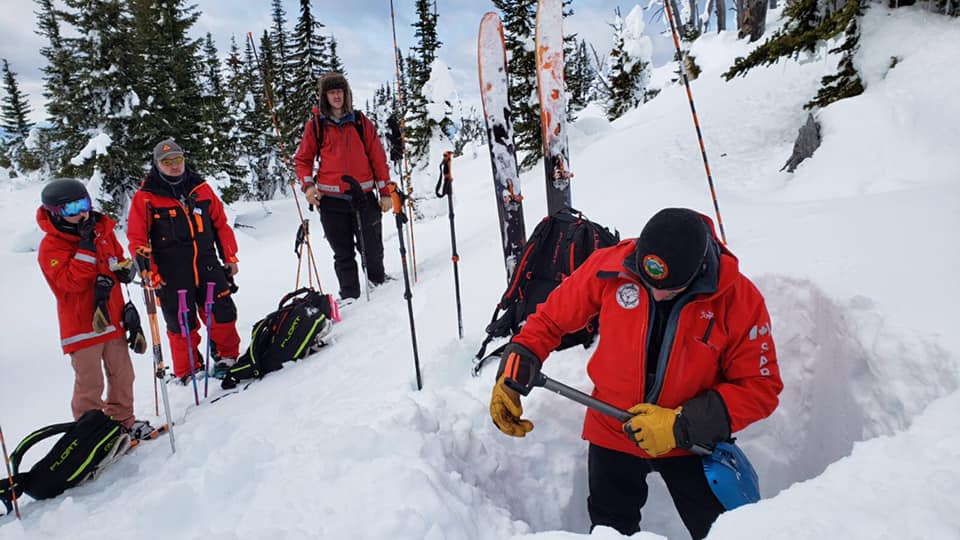
Search and rescue teams, including Oliver Osoyoos Search and Rescue, encourage people to be extra cautious when venturing outdoors during the pandemic. Having to be rescued puts others at risk of contracting COVID-19. (Photo contributed)
Osoyoos Times Staff
Members of search and rescue teams are encouraging people to take extra caution when heading outdoors during the pandemic.
British Columbia’s 2500 search and rescue volunteers respond to calls all over the province to help those who have been lost, stranded or injured. With the COVID-19 pandemic, the risks these volunteers and other personnel take are heightened, as there is a risk of virus transmission during a call.
“By taking extra precautions, people help reduce the risk to search and rescue volunteers, other responders and front-line health care workers,” says Dwight Yochim, senior manager
of the BC Search and Rescue Association.
Park access may have changed: The current situation is complex and constantly changing. Some parks and high-use areas are closed so check park information sources before you venture out.
SAR volunteer levels may fluctuate: The volume and type of SAR responses is also changing as volunteers deal with their own needs and challenges related to COVID-19. Some areas may see reductions while others will see increases depending on access, user numbers, and levels of experience.
Physical distancing must be done, even outside: Physical distancing will help prevent transmission of COVID-19, and that includes when you’re in the outdoors. While it is recognized that physical activity is essential for mental wellbeing in these trying times, the need for physical distance during any activity is more important. So make sure you stay at least two metres apart from others, avoid going in groups, visit parks during less busy times, and stay home if you’re sick.
Avalanches are still a threat: As a reminder, Avalanche Canada is ending forecasting early, reminding people to stay home. Avoid taking any risk and if you’re unsure of the level of risk in your area, stay home.
Self, Team, Bystanders and then Subject: Ground search and rescue operates within that safety maxim, meaning they will step back from a response if it puts them at undue risk. They also need to return to their families. Should risk of exposure to the responders exceed an acceptable level, a response will be delayed until additional steps can be taken to reduce the risk.
Be prepared to take care of yourself and your family if going into the outdoors. If you are not fully prepared then stick to walks in an urban area close to home while maintaining physical distancing.