By Don Urquhart, Times Chronicle
Recent hospitalization data for influenza and other respiratory viruses including respiratory syncytial virus (RSV) show no major uptick in the Interior Health region but the authority is keeping an eye on the ongoing rising infections in Ontario and the prairie provinces.
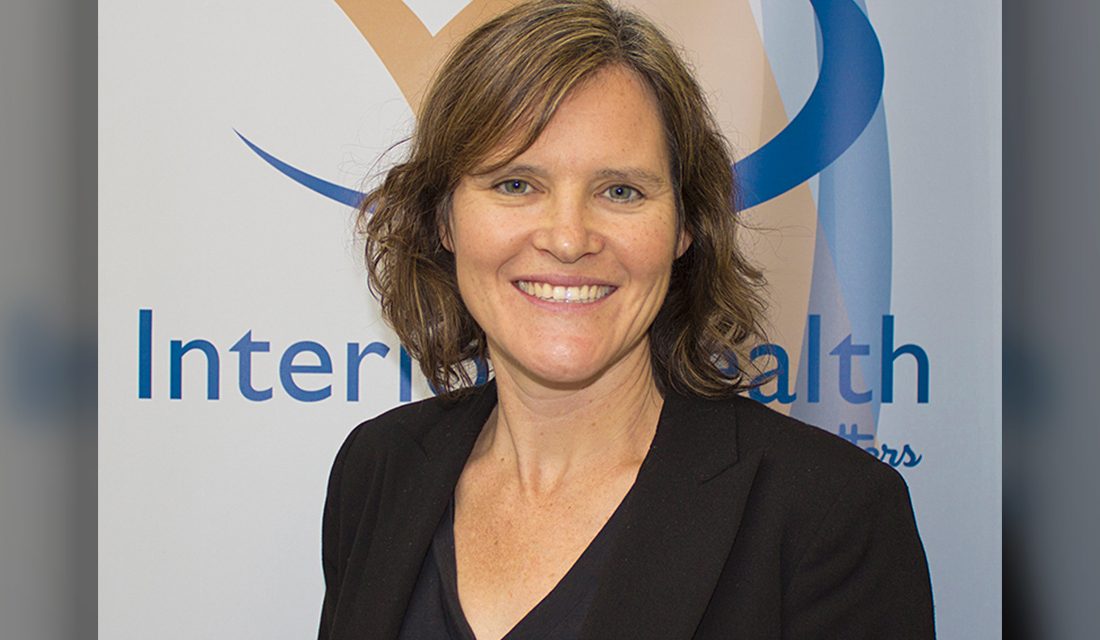
Speaking to the Times Chronicle Dr. Sue Pollock, Interim Chief Medical Health Officer for Interior Health said there have been fewer than 30 hospitalizations across the region for influenza and RSV up to last week. Most of the hospitalizations were for RSV in children and influenza for older people.
It’s a slightly different picture in the Lower Mainland at BC Children’s Hospital where emergency department volumes as of the first week of November were up 20 per cent over the same period last year (at around 142-150 visits per day).
“What we’re seeing when we look at the testing data SARS-CoV-2 [COVID-19] is still the predominant circulating virus that we’re seeing but it is stable so we’re not seeing a significant increase. The other ones that are circulating, we’re starting to see some influenza, we’re starting to see some RSV as well,” Pollock said.
“We are certainly watching the situation very closely and will certainly watch what’s happening around the country because we’re not seeing that same level of activity yet here in BC, but things are definitely starting to increase so we will be watching carefully.”
RSV is a common childhood virus with almost all children contracting it at least once before they reach two years old. For most healthy children, RSV is like a common cold but some children can get very sick.
The lack of transmission over the past two years has resulted in some cohorts of children not developing any immunity to RSV and other common respiratory viruses, Provincial Health Officer Dr. Bonnie Henry said during an update on various respiratory illnesses on Nov. 16. This in a large part accounts for the overflowing children’s wards in other parts of the country.
She added there are some other common seasonal respiratory viruses like enteroviruses, which cause the common cold but can be serious in some adults and children, and others that are on the rise.
Pollock emphasized that there is “nothing new in the viruses that we’re seeing so far,” nor are they unexpected. “The viruses that cause respiratory illnesses do tend to circulate in the fall and winter and have that seasonal pattern.”
The result is more people are now presenting to healthcare providers with symptoms of respiratory illness, such as fever and cough, she added. “But we don’t want to get to that point where we have people needing hospitalization, we want to prevent these viruses before we get there,” she hastened to add.
Youth in particular are falling ill to acute respiratory infections, with the influenza A strain in particular impacting youth and children 19 years old and younger the hardest.
“Over the past couple of years during the pandemic, we have not seen that usual pattern of the circulation of other respiratory viruses. Primarily we’ve seen COVID circulating, but not the other respiratory viruses,” Pollock said.
“Given that we’re coming into the fall and winter and we do not have the same public health measures in place that we had over the course of the last couple of years, it’s not unexpected that we’re starting to see viruses like influenza and RSV,” Pollock said.
“It’s been interesting to watch the last couple of years in terms of these other viruses that have that seasonal pattern,” she said, pointing to the dampening effect of strong public health measures.
Put in place to check the spread of the more serious COVID-19, measures like social distancing, staying home when sick, masking and other public health protocols had the effect of minimizing the circulation of these other viruses.
This appears to have had the unintended, yet unavoidable consequence of denying many, particularly children the ability to build natural immunity to commonly circulating viruses.
“We don’t know what the season is going to look like, it’s too early to tell, but we can take the opportunity now to prevent as many infections as we can so that we don’t end up with a really tough season with other viruses.”
Pollock emphasizes that “we have this opportunity right now to go out and get our vaccinations – our influenza vaccine or a COVID vaccine – and provide that level of protection not just for ourselves but for those around us.”
And the message remains the same: Follow the common sense protocols that have been demonstrated to be effective over the past two plus years. Stay home when you’re sick, social distance, wash your hands, wear a mask when in indoor settings when warranted (particularly as people move indoors and gather for celebrations), and get vaccinated to protect family, friends, and people around us.
“The good news,” said Pollock, “is that we are seeing lots of interest in the influenza vaccine and so up to this week [week of Nov. 14] we’ve administered, between Interior Health and pharmacies, 150,000 influenza vaccines. It’s a great number for us, we’re on a good trajectory here and we want to continue seeing that to give people the opportunity to get protected before they’re exposed to influenza.”
She added that the influenza vaccine, like the COVID vaccine, is free and individuals can access them through the provincial Get Vaccinated system to find out about clinic availability.
Pollock acknowledged the poor uptake in COVID-19 vaccines for children under the age of 12, not just in the Interior Health region but generally across the country. “We’ve not had a very high uptake and absolutely we have work to do with our COVID vaccinations for this group,” she said.
Pollock does not believe, however, that vaccine hesitancy around the COVID-19 vaccine for children will necessarily impact influenza vaccinations for children. Because the flu vaccine has been offered for years she said individuals or families may be “more comfortable, more familiar” with it and as a result, more amenable to getting vaccinated.