The more than 19,000 physicians, nurses and healthcare professionals employed by Interior Health remain committed to allowing the vast majority of British Columbia residents to access all necessary health care in the comfort of their own home.
Susan Brown, Health Services Administrator for Community Services for the South Okanagan, told members of Town of Osoyoos council on Monday that Interior Health continues to move towards a healthcare model where only those with the most acute care needs will need long-term hospitalization in the future.
Treating patients in the comfort of their own home will continue to be the focus moving forward, she said.
“We’re hoping that less than three per cent of those with chronic care will need hospitalization by 2017-18,” said Brown.
There are 750,000 residents in the Southern Interior of B.C. who live in 59 municipalities and on 54 First Nation communities in seven regional hospital districts that cover 215,000 square miles, she said.
There are more than 19,000 staff, including more than 1,500 doctors, who work in 16 community hospitals, four regional hospitals, two district hospitals, 24 health care centres, she said.
The annual budget for the Interior Health’s Southern Interior district is $2 billion.
The reality is a very small percentage of citizens – the vast majority who are old or aging – eat up a very large percentage of the health care budget in this province, she said.
This reality is true in small southern communities like Osoyoos, where a large percentage of the population are seniors, she said.
The provincial Ministry of Health has committed to providing the funding and services that will allow citizens in this province to access the vast majority of health care services while living at home, said Brown.
She quoted provincial Health Minister Terry Lake who stated a year ago in the fall of 2015 when he said, “We’re trying to provide services for people at home as much as possible, to keep them at home longer so they don’t have to go into residential care or into the hospital at an earlier time.”
Interior Health has developed five key strategies over the next three years to ensure more people will be able to access health care services while living at home rather than being hospitalized, she said.
Those include:
• Enhance access to appropriate primary health care.
• Improving primary and community care delivery and outcomes for frail seniors living with complex chronic conditions.
• Improving primary and community care delivery and outcomes for mental health and substance abuse clients.
• Improving timely access to elective surgery.
• Implementing a renewed system of care for residents who live in rural and remote communities.
Health care teams are being formed to deliver these services and have prioritized how to best deliver those services, said Brown.
Interior Health staff has prioritized focusing on people who need help the most and collaborating with community partners to deliver services in key areas, she said.
In late April of this year, the Ministry of Health allocated funding to support enhancement of local hospices in several communities across the region, including the Desert Valley Hospice Society in Osoyoos, she said.
“This included funds for the development of and access to Palliative Day Hospice services” in this region, including a $30,000 contribution to the Desert Valley Hospice Society for its palliative day hospice.
“This funding supports the ministry’s commitment to double hospice spaces by 2020,” she said.
As the problems with Fentanyl and other opioid addiction problems continues to grow across the province, the ministry has approved 73 substance use treatment beds for Interior Health in the coming months and the South Okanagan will be getting funding for 10 support recovery beds, she said.
The contracts for those beds should be finalized very soon, she added.
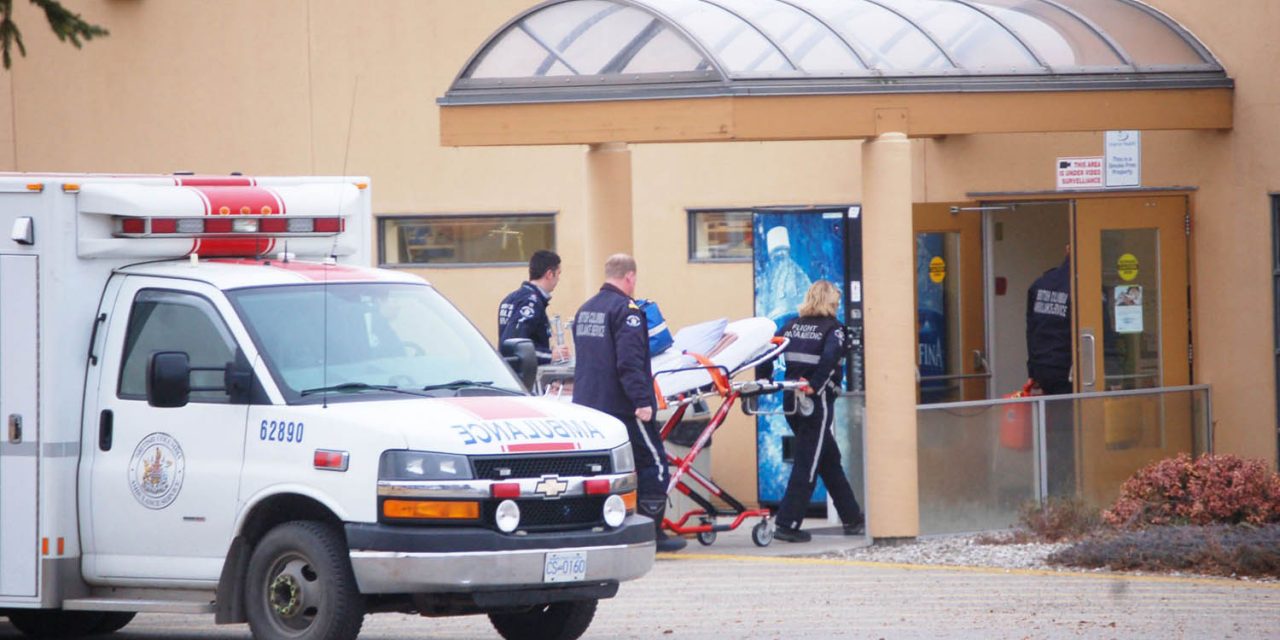
In an effort to improve access to primary healthcare services in rural B.C., Interior Health is moving forward with its Community Paramedicine Program, which will allow paramedics to provide basic health care services, within their scope of practice, in partnership with local health care providers, she said.
“This will broaden the traditional focus of paramedics to include disease prevention, health promotion and basic health care services,” she said.
There will be new positions created within this program in Princeton and Keremeos in the coming months, she said.
The first cohort of University of British Columbia Okanagan medical school graduates graduated in the fall of 2015 and four are currently working in rural communities and the hope is several of them will permanently relocate to small rural towns like Osoyoos, she said.
A total of 27 permanent vacancies and nine locum positions were filled by graduates from the UBCO medical program in 2015, she said.
By working together within the health team models, Interior Health continues to aim to create policy and environmental changes, including active transportation planning, smoke-free spaces bylaws, food system planning and consultation for sustainability and official community plans, she said.
Interior Health will continue to work with partners like municipalities and regional districts to continue promoting the many positive initiatives now underway, she said.
Mayor Sue McKortoff thanked Brown for updating council on the latest initiatives from Interior Health and said the town will continue to support these initiatives any way they can moving forward.
KEITH LACEY
Osoyoos Times