Madeline Baker, Times-Chronicle
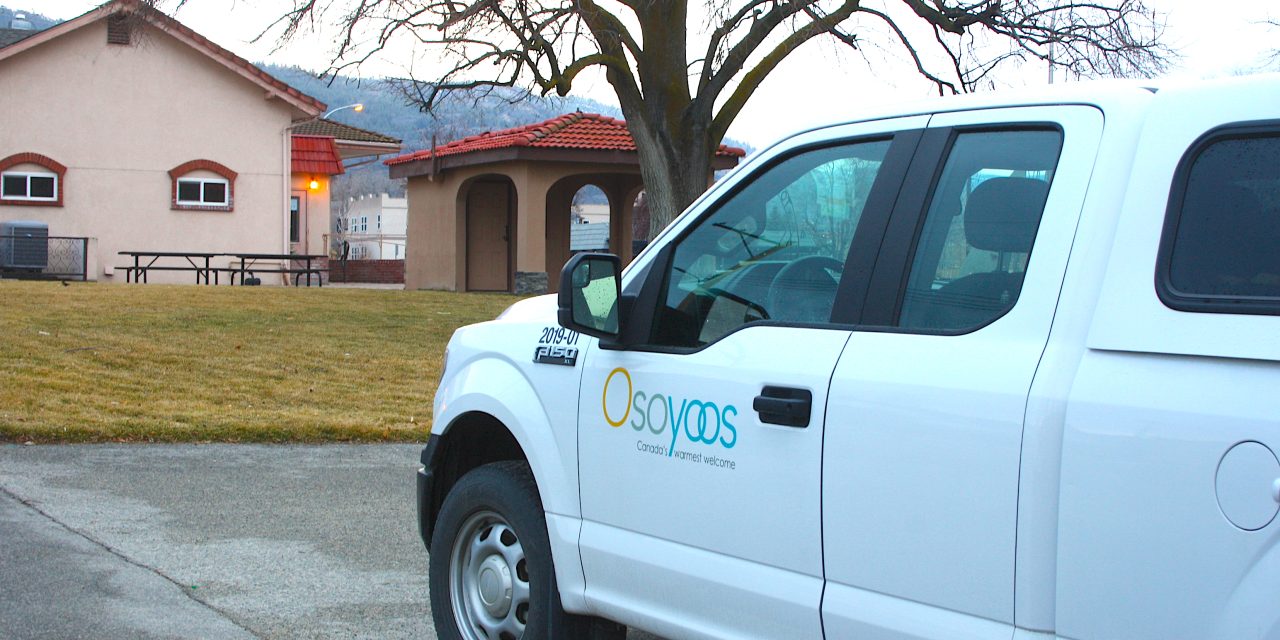
A long-delayed assessment of the financial, functional, and organizational state of Osoyoos’s fleet of community support vehicles has been completed and presented to town council for adoption.
Talk of the need for a fleet asset management plan first arose in 2020, but COVID-19 delayed any action from being taken until 2021, at which point MMK Consulting was granted a Request for Proposal.
As Director of Operational Services Jared Brounstein put it during his presentation to council, the resulting 29-page assessment, which was completed on January 12, 2022, has proven to be “a bit of an eye-opener” for the Town of Osoyoos.
The assessment provides a multi-stage plan for the town to update their fleet while maximizing the service they offer with their current vehicles, and recommendations to reduce the town’s dependence on leases from the Municipal Financing Authority.
Recommendations include a preventative maintenance schedule and more detailed records of the costs associated with owning and operating the fleet at peak condition, as well as a new fleet management structure with clear policies laid out to keep the new systems running smoothly.
In the long term, reduction of the fleet’s overall size and development of a new financing strategy to avoid rising interest rates on lease repayment are presented as strategies to replace outdated vehicles with minimal financial strain on the town.
All council members praised the report for its thoroughness, but multiple financial concerns and the short time they were given to peruse the document led Councillor Myers Bennett to suggest that a vote should be tabled until their next meeting.
Mayor Sue McKortoff and Councillor Jim King also questioned the wisdom of an immediate vote, with McKortoff uncertain about the yearly spending averages as they were presented and King wanting more information about the specific vehicles that were marked for replacement.
Councillor C.J. Rhodes initially agreed that the assessment was better suited to a series of votes on each point rather than a single all-encompassing vote, until Brounstein assured him and the rest of council that accepting the report would not bind them to its findings.
With that reassurance, council ultimately voted 4-1 to accept the assessment for closer scrutiny in the future, with Bennett as the only vote against.