By Don Urquhart, Times-Chronicle
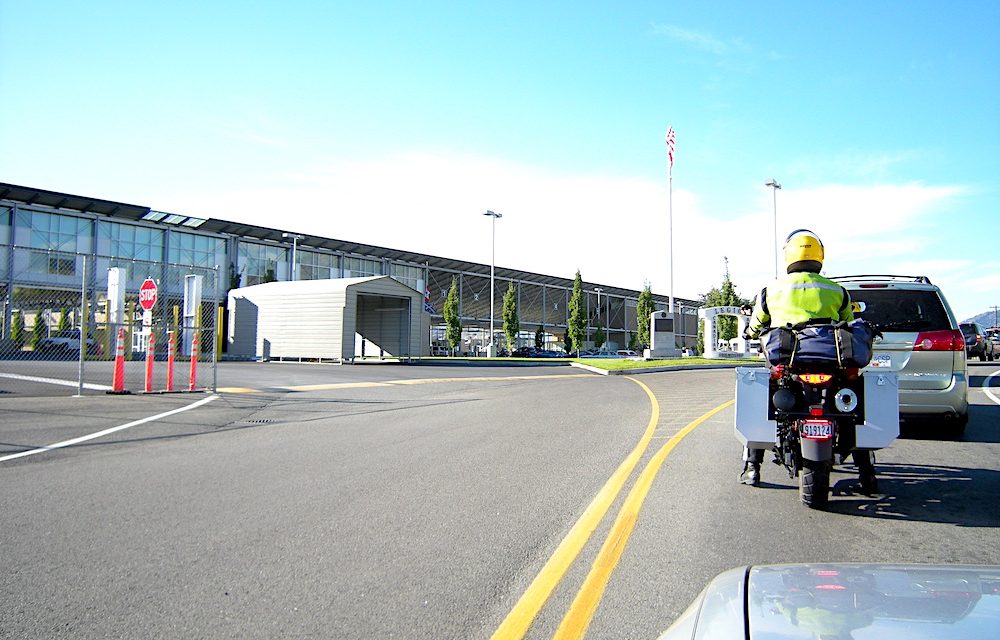
The end of COVID-19 testing requirements on April 1 for fully vaccinated travellers (re)entering Canada is setting the stage for a possible return of near-’normal’ summer traffic at the Oroville–Osoyoos Border Crossing.
Announced back in March by the federal government, high vaccination uptake and stable COVID-19 case counts were the stated rationale for dropping the testing.
The current requirements include only the basics of proof of full vaccination and the use of the ArriveCan smartphone/web-based application prior to (re)entry into Canada.
For Oroville Mayor Jon Neal, the policy change is a welcome respite for local restaurants and businesses that normally enjoyed significant patronage by residents of the South Okanagan.
Speaking to the Times-Chronicle, Neal says the uptick in Canadians heading across the line in both directions is noticeable, even a few short days after the testing requirement ceased.
“I can obviously see there’s a whole bunch more of you guys heading home – the RVs have really been rolling through,” he said.
Osoyoos Mayor Sue McKortoff speculated that quite likely a number of ‘snowbirds’ were waiting for the removal of the testing requirement before returning from their winter sojourns to warmer climates that were enabled when the border first opened a crack in November 2021.
But the southbound flow is also picking up steam with McKortoff saying she saw two lanes of traffic heading south at the border on Tuesday morning in what Canada Border Services Agency officers told her was a continuous flow each day.
“There’s definitely been an influx of people coming down to the restaurants here just in the last few days,” says Oroville’s mayor. “It may take people a while to really get comfortable with it but it looks like things are getting back to normal in a hurry.”
“The restaurant owners are excited and some of the local businesses are pretty excited so I think as a whole it could definitely help both our economies,” he said, adding, “we’re more than happy to have your visitors and your money!”
Unlike B.C., rules around events were more relaxed a year ago with Oroville hosting many of its normal festivals. “We’ve actually done our May festival and rodeo – it also happened last year as well including the rodeo in Omak, so to the best of my knowledge all of those are being planned on being bigger and better than what we’ve had,” he said.
Interestingly enough, Neal observes that current COVID-19 regulations are actually overall more restrictive in Washington than in B.C.
“Our government regulations are so different from yours,” he says. “You guys are really opening up and our governments are really dragging their feet in so many respects. The vaccine mandates are up in the air; we don’t know what actually will be required,” he said.
One person who will not be heading across the line for shopping and dining is the Osoyoos mayor. “You won’t find me doing that because that would not be appropriate,” McKortoff says in reference to supporting local businesses that struggled through the last two years.
This cross-border flow is pretty much a north-to-south affair, with McKortoff saying, “we don’t normally have a ton of Americans from northern Washington coming across. They might come across to a restaurant and go to Home Hardware or something like that.” She adds that more visitors are likely during the busier events like the Easter Extravaganza or the July 1 Cherry Fiesta.
In general, it’s residents of Osoyoos and Oliver that head for Oroville for cheaper gasoline and groceries, she says. There’s also a fair number of people that have post office boxes in Oroville.
For one business owner whose enterprise sits practically smack on the border, the return to near-normal couldn’t come soon enough. Cameron Bissonnette, owner of Osoyoos Duty Free says it has been a brutal two years.
While many businesses suffered dramatically reduced clientele and on and off closures and restrictions, operating a business that depends on cross-border traffic becomes all the more difficult when the border itself is closed to all but trucking.
“It’s good news, very good news, there’s no question about that,” says Bissonnette on the return to near-normal border operations. “I think it will be a gradual thing, but we went from doing almost zero business – I don’t have numbers in aggregate yet as it’s only been a few days – but we’re getting many people through the store now versus one or two a day (prior to April 1).”
“I think there’s a pent-up demand for travel so we’re anticipating a good summer,” he says, adding that he’s “cautiously optimistic” to use a term from the pandemic vocabulary.
It’s been quite a challenge, he says, and when things looked bright with the first opening of the border last November he brought in a lot of inventory and hired staff only to have that come crashing down after testing requirements were put into place shortly after.
“I think they learned from that. I don’t think they’ll do that again but nothing is outside of the realm of possibility either,” he says ruefully.