This is an ongoing, bi-weekly series by the Osoyoos Times putting questions to the candidates in the 2019 federal election in October.
This week’s question:
What is the federal government’s role in rural health care, specifically the ongoing issues of emergency closures and staffing at the South Okanagan General Hospital?

Richard Cannings, New Democratic Party
Rural health care and the situation at South Okanagan General Hospital is a real issue of concern for many people. The federal government’s direct role in the case of the hospital is minimal, as the challenges there—the attraction and retention of doctors, staffing and service decisions—are all made at the Interior Health and provincial government levels. Even the training of medical personnel, including doctors, nurses and other staff, is planned and funded by the provincial government.
Where the federal government can play an important role is in tackling some of the root determinants of health in Canada to reduce the need for hospital visits and the strain to our health care system.
The NDP has a detailed plan to bring universal, public pharmacare to Canada by next year. It will save our country billions of dollars and keep Canadians healthier. We also pledge to extend health care coverage to all parts of the body—including dental care, hearing and eye care. And we will reverse the cuts to health care that were begun by the Conservatives and continued by the Liberals.
The NDP is proud to have been the party that founded the public health care system in Canada, and we are determined to maintain and
enhance it.
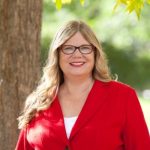
Connie Denesiuk, Liberal Party of Canada
Closure of emergency rooms and hospitals is deeply concerning to those who require health services in our rural communities. Health care staffing is an identified need for South Okanagan General Hospital. The communities of Oliver and Osoyoos (and other smaller communities throughout the South Okanagan-West Kootenay riding) find themselves competing with larger centers to attract skilled workers, including emergency health care professionals.
Through new rural development programs, the current Liberal government is undertaking initiatives to support and increase the success of small, rural communities, including Oliver and Osoyoos. In 2019, Canada’s first Minister for Rural Economic Development was appointed and a new federal plan was released: “Rural Opportunities, National Prosperity: an Economic Development Strategy for Rural Canada.” Included in that strategy are initiatives to make our rural communities more attractive to skilled workers, including those who provide health care services.
As part of the strategy, a new Rural and Northern Immigration Pilot Paroject stands to benefit South Okanagan General Hospital’s staffing needs. This initiative aims to help spread economic and social success brought to Canada by encouraging skilled immigrant to locate in rural areas.
As a strong voice in Ottawa, I will help deliver this and other programs to improve life for people in our riding.
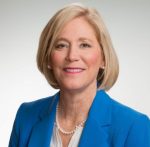
Helena Konanz, Conservative Party of Canada
Our Constitution clearly defines healthcare as an area of Provincial management. This is why historically all recent federal governments have provided the Canada Health Transfer to provinces so each province can determine how that money is best spent. Even so, there are initiatives the federal government can take to help this situation. Although there has been a lot of talk about a national drug program as an election promise, in my travels so far through the South Okanagan I have heard far more concerns over not being able to get access to a doctor, and staffing shortages at medical facilities such as the South Okanagan General Hospital, then a lack of access to prescription drugs.
The Liberal government’s small business tax grab has heavily impacted doctors and will drive away new medical graduates to the United States. Trudeau’s tax changes hit young female doctors especially hard. The U.S. is facing massive doctor shortages as well, and unless we are competitive with them, we will see more and more medical professionals leave our country. Moving forward, we will need to look at initiatives such as federal student loans for doctors who agree to work in rural communities, a new immigration program to fast tracked foreign trained doctors to receive accreditation to serve in under-serviced rural communities, or possible tax rebates for rural ER doctors. We need creative solutions and I am up to the task to find those solutions and take them to Ottawa.
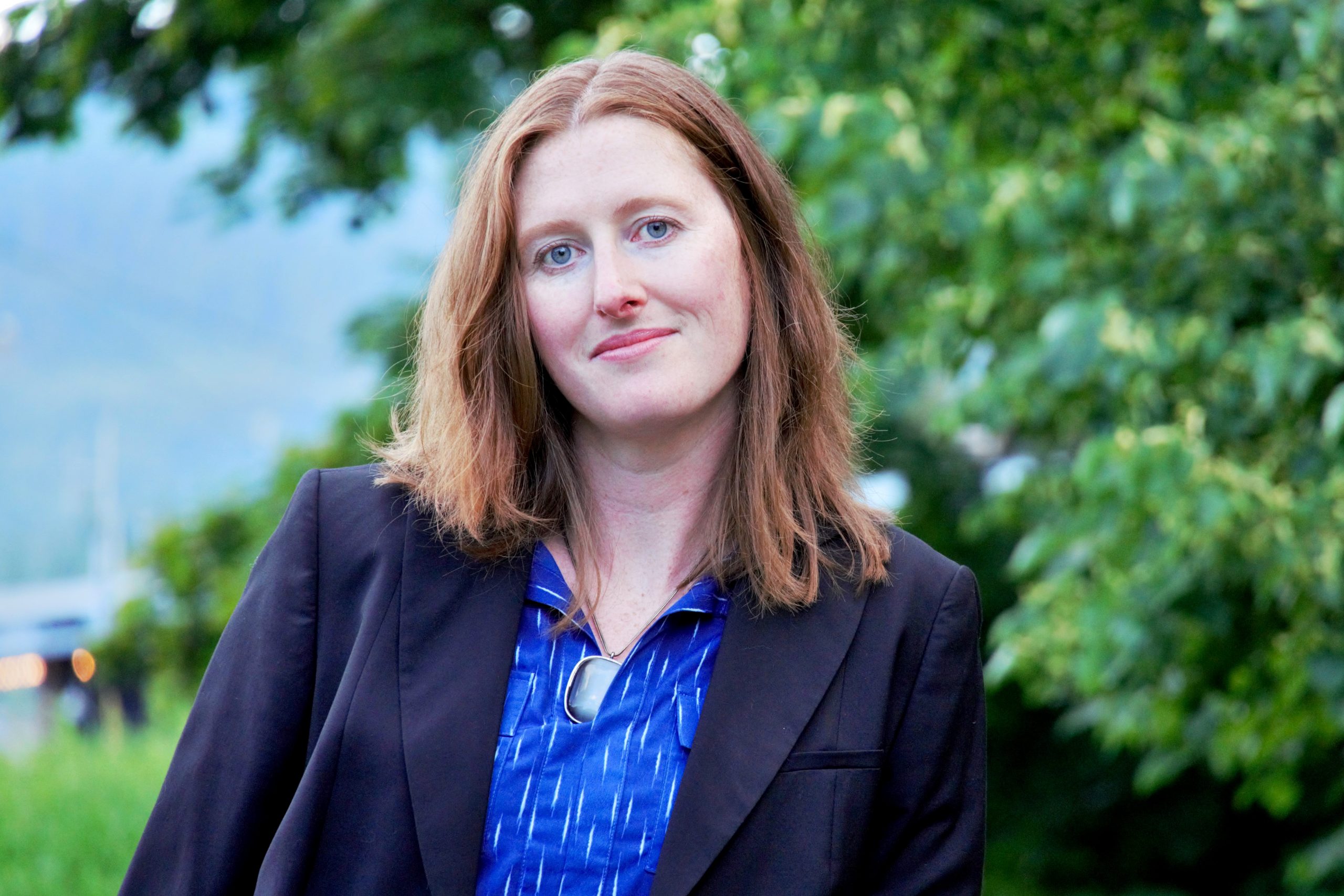
Tara Howse, Green Party of Canada
This question is quite personal: I have lupus, an autoimmune disorder that has me on prescription medications for the rest of my life plus need access to specialists.
There are limitations to what MPs can promise with health care delivery as the bulk of services falls under the purview of the province. A starting point is to update the decades old Canada Health Act. It has not seen a major revision since its inception in 1984. Technology improvements, new research, changing demographics, and the modern disease and health conditions all demonstrate an update is necessary.
Secondly, pharmacare has always been a priority of the Green Party. The Greens were the first party to call for prescription drug coverage. This will be managed through the development of a Crown corporation tasked with bulk purchasing and dispensing drugs.
Third, patients have a right to access their health data. Although the pan-Canadian interoperable record system was developed, it continues to be fraught with difficulties, despite investments. We need to harness technology to provide both patients and physicians the ability to access and use the vast amount of data that exists.
Lastly, all strategies across all sectors need to be embedded with interdisciplinary perspectives. Whether it’s economic, transportation, or health policies, the physical, mental and social-well being of Canadians must be explicitly considered.
Send your questions to [email protected] as we continue to curate and ask our candidates the questions that matter.