
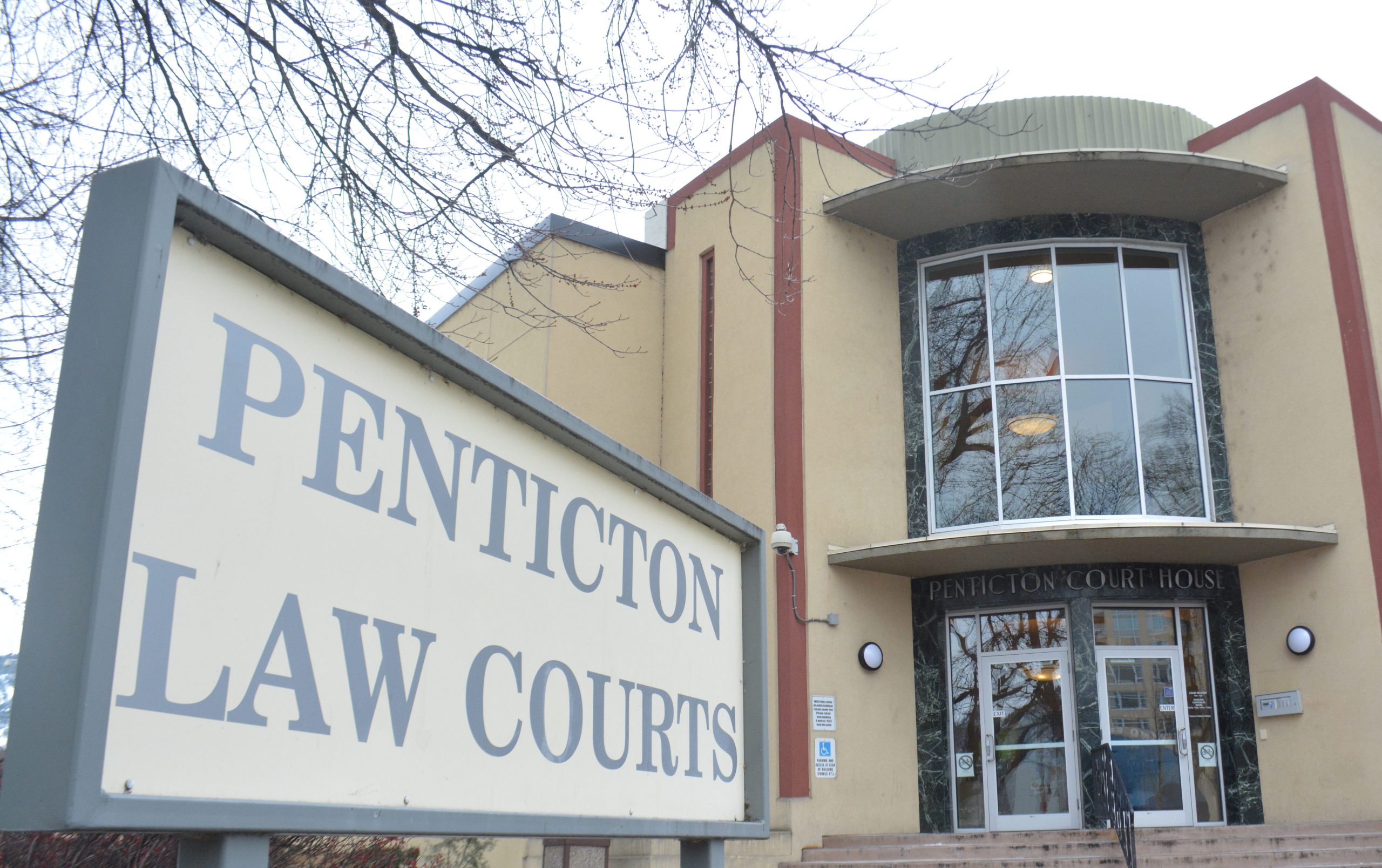
Penticton Law Courts (File photo)
By Dale Boyd
Osoyoos Times
The City of Penticton passed a bylaw on Tuesday making it a fineable infraction to sit or lay down on downtown sidewalks.
It is a sad attempt to put a Band-Aid on a severed limb, but those who have concerns about theft, petty crime and homelessness are not without at least some merit in their fearful efforts for relief.
A lot of common threads surface every time this debate of anecdotes comes to the fore, many people sadly mistaking television justice
for reality.
The justice system and the apparent “slaps on the wrist,” need to stop, according to many people I’ve talked to and interviewed outside the courthouse. Others online often follow up with calls for unfittingly long jail sentences or the return of the death penalty and more seem to agree there are too many “hand outs,” for the homeless (broadly labelled as criminals by the ignorant).
First, the John Howard Society of Canada puts the average annual cost per prisoner in Canada’s federal prisons at $115,000, and cost for female prisoners and higher-security detainees is greater. In contrast, probation and other alternatives cost taxpayers on average about $18,000 per person. Detaining people costs each Canadian taxpayer about $550 a year.
Nobody is having the conversation about rehabilitation, yet it is one of the most important factors in judgments handed down in the courts.
With about 67 per cent of the country’s population identifying as Christian, I’m not hearing a lot of that forgiveness I read about on church signage in the very-Christian Okanagan.
I get the sense many think there is nothing the convicted can do to change. “Lock them up, and throw away the key,” commenters say, only to turn around and demand “no more handouts with my tax dollars,” even though those tax dollars pay for imprisonment.
The efforts of rehabilitation in the justice system not only makes financial sense, it makes human sense. I have sat in the courthouse for more tiresome and drawn out hearings than most of you would have the patience to read about, let alone sit through. I have seen first-hand rehabilitation efforts which have worked and turned people into productive members of society through support systems. I have also seen people fail in those efforts, and in most cases they end up in jail.
To be clear, these probation and rehabilitation efforts are balanced differently with more violent or egregious offences.
Armchair justice pundits also seem to forget probation even exists. Often news readers will look at a month-long jail sentence as not enough justice for a stolen bike or theft under $5,000 (arguable), but I never hear reactionaries talking about probation.
Probation usually follows a jail sentence, sometimes for six months, sometimes for a year or longer. Just because the offender is out of jail doesn’t mean they are free. Probation requires weekly, sometimes daily check-ins or house calls by officers, employment conditions, and you know what happens if one breaks their probation agreement? A lot of times they are going directly to jail. Our courts also use a step-up policy for repeat offenders as well, who are increasingly more likely to get direct time.
Justice is not measured in days in jail. There are other steps toward rehabilitation to consider, steps toward greater humanity to hold dear. I appreciate the anger, the impulse to throw the book at petty thieves, but we judge society not by how we treat our best, but by how we treat those most in need. I haven’t been to church since I was five, but I may have to preach a sermon on forgiveness. Let he without sin cast the first stone.