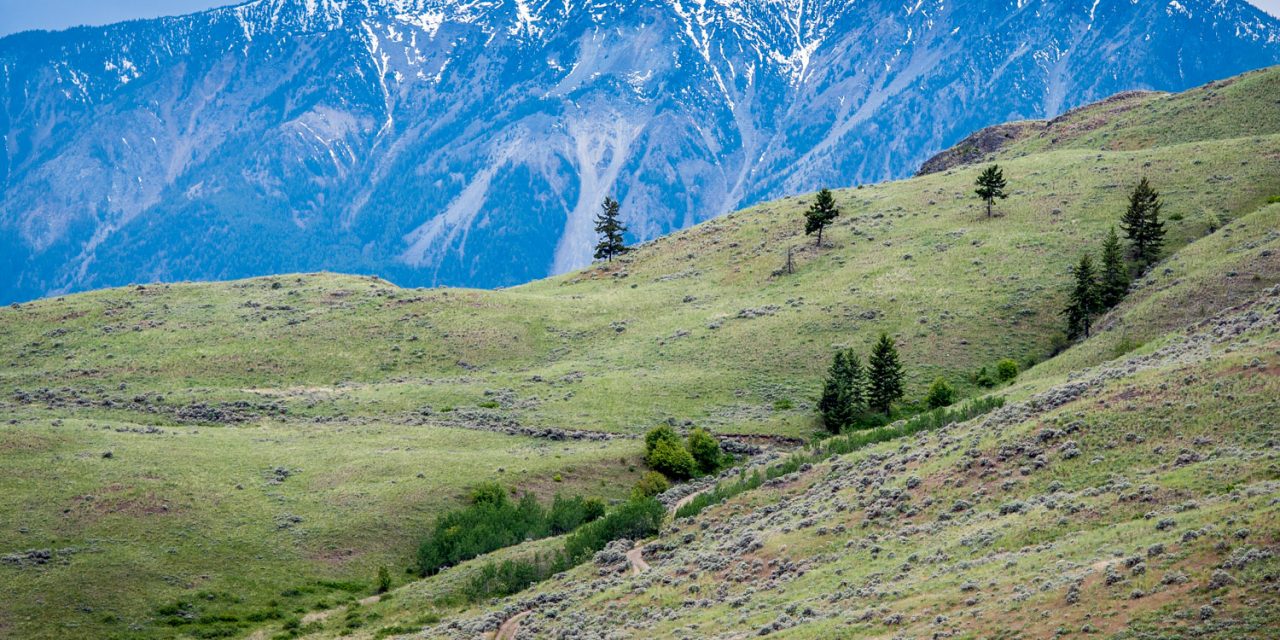
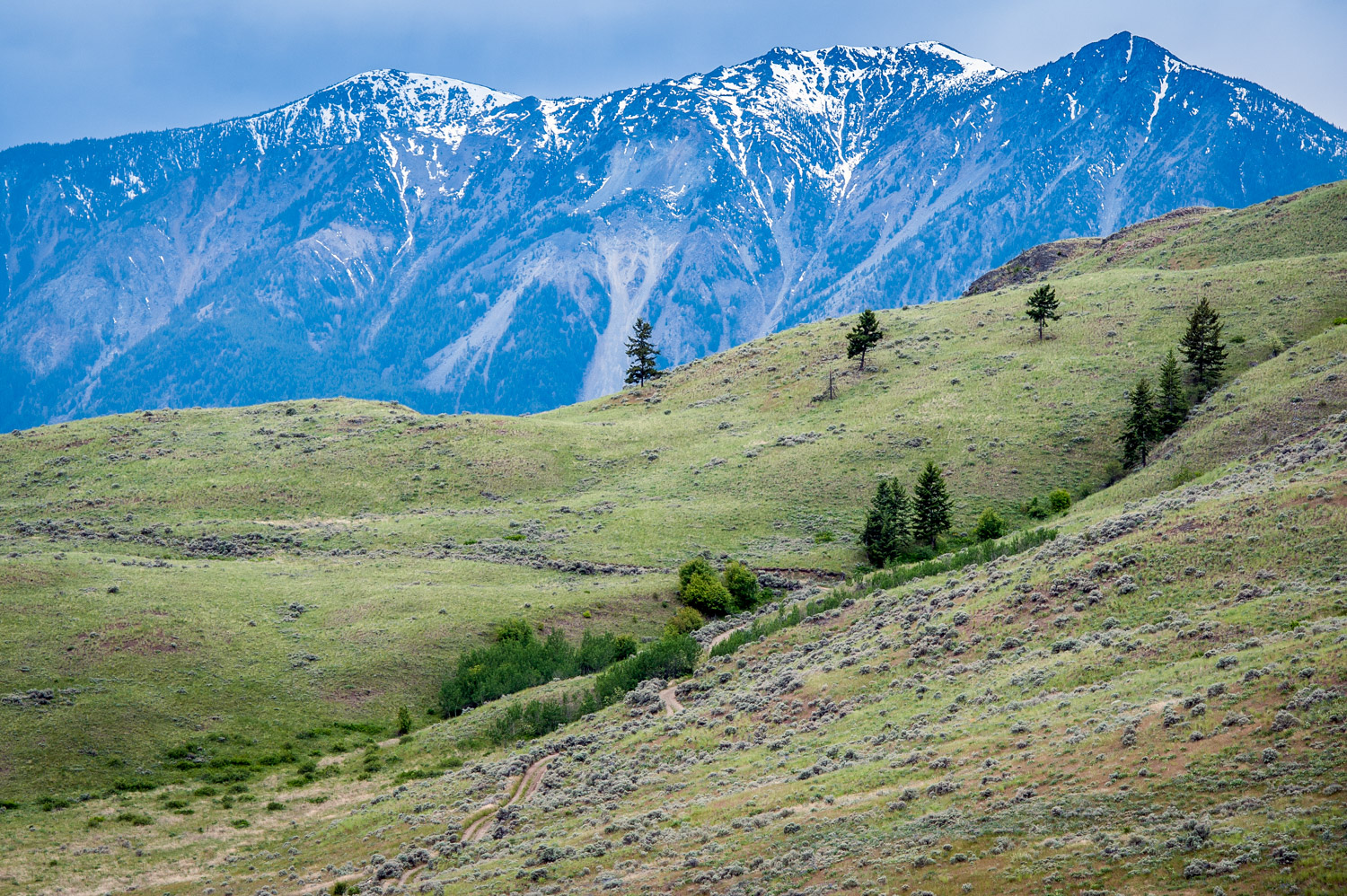
The South Okanagan-Similkameen grasslands are the site of a proposed national park. (Richard McGuire photo)
The public backlash – and support – has begun for Osoyoos town council’s decision to steer away from pushing for a referendum on the proposed national park reserve in the South Okanagan.
Oliver council has already agreed to send a letter to the federal government and MLA Linda Larson asked Osoyoos to do the same.
Council disagreed, though, and despite having a deeply-rooted stance supporting a national park, cited a lack of information as their reasoning.
Councillor C. J. Rhodes pointed out at Monday’s meeting, and so did mayor Sue McKortoff on Global News on Tuesday, that Larson’s request was too vague: what would the referendum question be? Would only locals be allowed to vote, or all of Canada?
Considering that while locals are the ones living beside the park, but the rest of Canadians would help cover the costs, these questions are more than fair.
• Read more: Majority want referendum on national park reserve, new poll suggests
A referendum may give people a direct say, but as Rhodes pointed out, although the proposed park reserve has been nothing short of controversial, leaving it to a vote may not be wisest.
If every decision went to referendum, would necessary but costly sewer upgrades be completed? Probably not.
That’s not to say that in this case a referendum is a bad idea, or that a national park is as important as sewer upgrades, but it’s not always that black and white.
Council’s decision may not speak for park opponents in the area, but it’s not supposed to, and it certainly shouldn’t come as a surprise.
For years, Osoyoos’ council has been in support of a national park and it’s something voters knew when they headed to the polls in October, re-electing three of its members.
If Larson and anti-park proponents see the support of Osoyoos council as necessary in securing the federal government’s approval for a referendum, coming back with a solid plan is essential.
It still isn’t a sure-fire way to get a council with deep pro-national park roots to change their minds, though.