
Town council will be considering a drought management plan for this summer, depending on several factors.
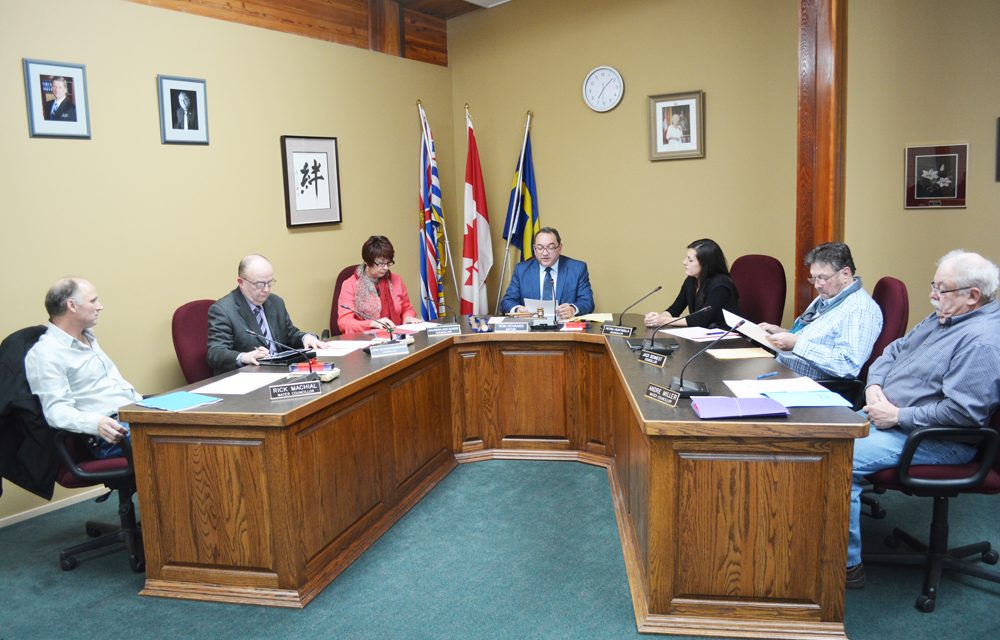
The Town of Oliver is considering a drought management plan after a councillor brought up the issue last week.
Councillor Jack Bennest said the Town was criticized last summer for not establishing a water conservation plan after a drought was declared in many areas of BC.
“I want a made-in-Oliver plan, rather than having a higher authority telling us what to do,” Bennest said.
The councillor noted the Town was supposed to start its own drought management plan, but Director of Operations Shawn Goodsell said staff have received no mandate from council to do anything yet. He said staff are waiting to see what the snowpack levels are and the effect on the Town’s aquifers.
Last summer Goodsell presented council with a report on the potential implementation of water restrictions. The report outlined the various levels of restrictions on domestic water users. In conclusion, Goodsell said that moving into a Stage 1 restriction would get people thinking about their water usage and get the Town closer to complying with the province’s voluntary restrictions.
He stated that anything a community can do to reduce water waste supports neighbouring communities and the hard work that has gone into restoring the salmon fishery in Oliver and Osoyoos.
Bennest said they need definable triggers that clearly show there is a problem. Triggers such as: Low aquifers, low lake reservoir levels, and temperatures above normal. He noted that 2015 was dry but it wasn’t a technical drought.
The councillor said a drought plan should look at how much water is used and by whom, and ways of limiting water use.
“You need community buy-in. You must bring in stakeholders, you must present facts, not a lot of opinions and conjecture.”
Bennest said a drought management plan should be developed before conditions require its use.
He noted that emotions can run high during droughts because of socio-economic impacts, therefore, planning well in advance is key.
Council took no action on Bennest’s proposal, but last summer it agreed to re-evaluate water restrictions prior to April 1 of 2016.