File Photo
Dale Boyd
Osoyoos Times
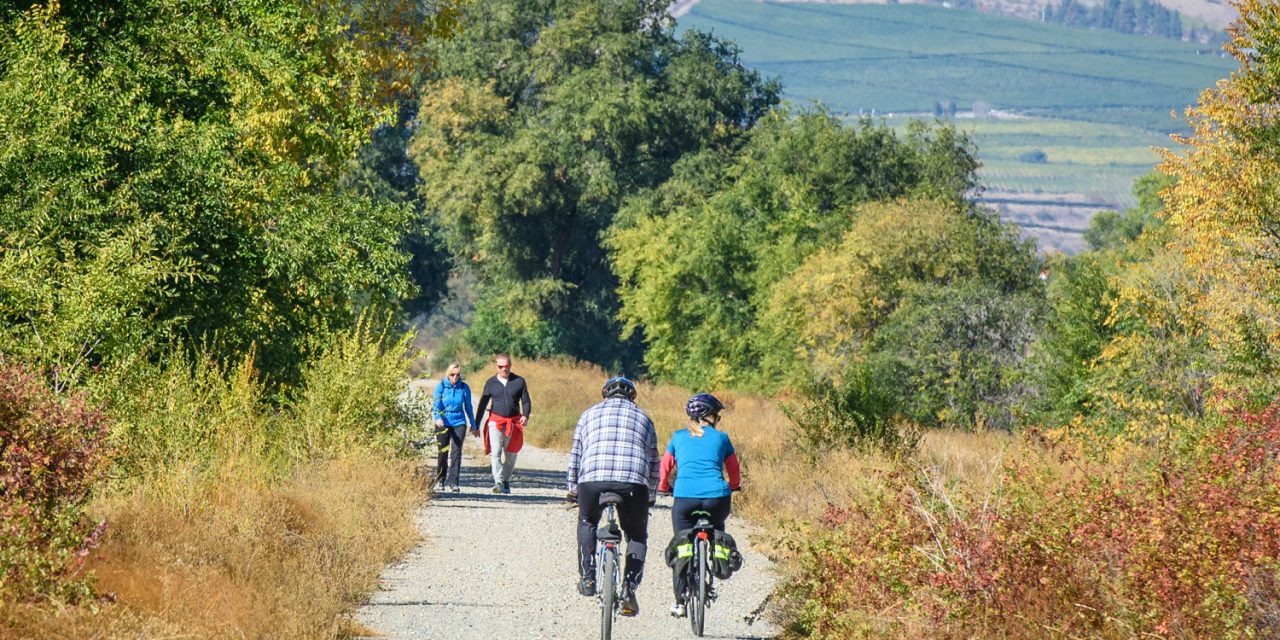
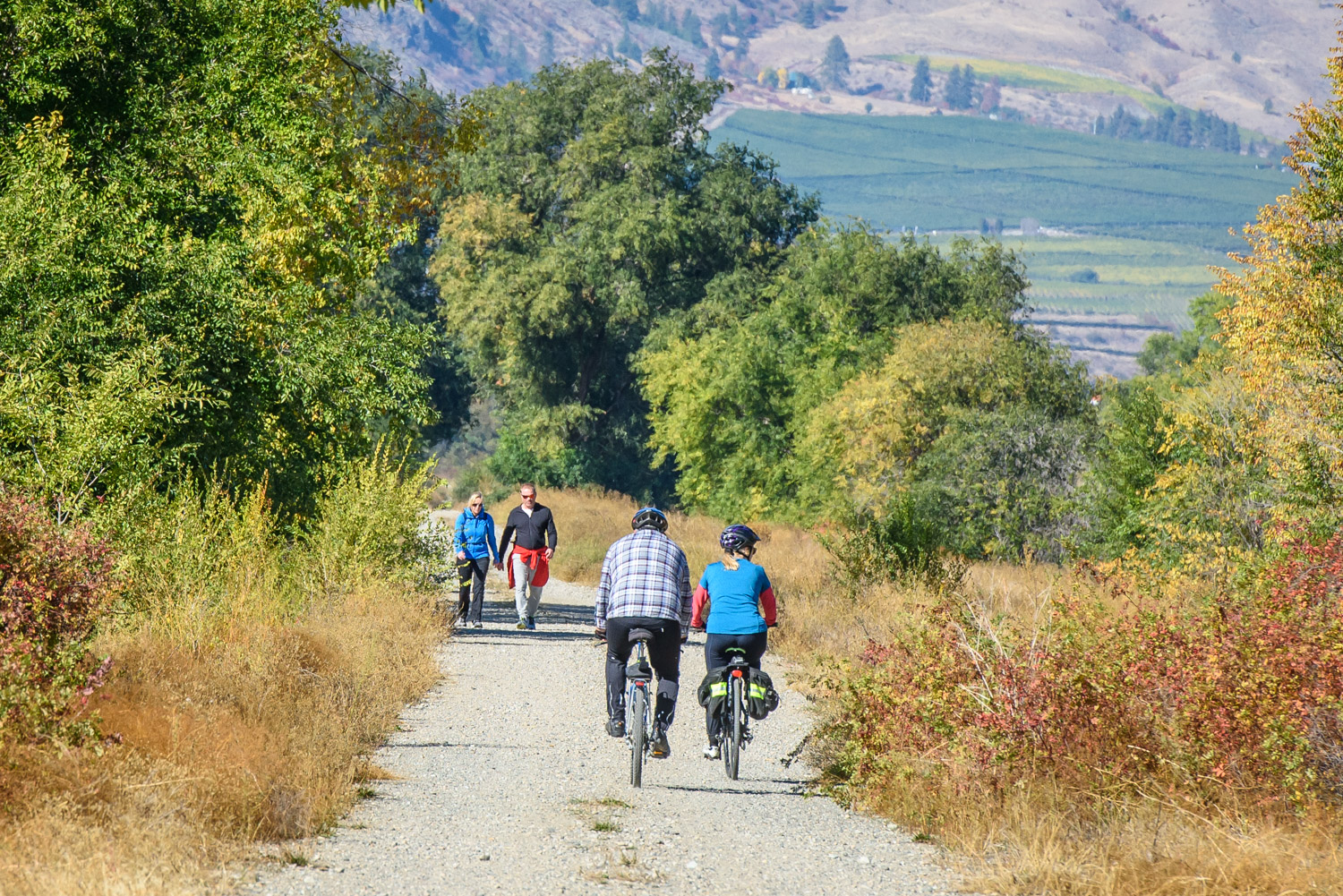
Groups from Canada and the U.S. are meeting to discuss the idea of a cross-border hiking and biking trail network, which could prove to be an economic boon for Osoyoos according to one proponent.
The inaugural International Trail Network meeting was hosted in Osoyoos in late December, after the idea for a cross-border trail system was proposed at an Indigenous tourism conference in Kelowna earlier in 2019.
“One of the things I noticed at the conference in Kelowna, that the people in the Okanogan (spelled differently in the U.S.) down there and the people in the Okanagan here are doing the same work, they don’t even know each other. So I wanted to set up a face to face meeting to bring people together. So we can start communicating,” said Arnie Marchand, an Indigenous leader from Oroville.
Osoyoos Coun. Myers Bennett was instrumental in putting the meeting of the various groups together, and Don Gemmell, president of the Trail of the Okanagan, said there was no shortage of enthusiasm for the idea.
“When you get a cross-border collaboration you can end up building and levering on Osoyoos which is this amazing hospitality hub that has this unused capacity. After Labour Day weekend Osoyoos empties and the room rates plummet. Cycle tourism runs from April to the end of October,” Gemmell said.
Building cross-border collaboration could market the entire region as a cycling destination, Gemmell said, with economic benefits to Osoyoos.
Representatives from the Thompson Okanagan Tourism Association (TOTA) and the Regional District Okanagan-Similkameen were present, key players in helping build the network of paved biking and hiking trails being proposed.
“You build this engine, this cycle tourism regime, in Osoyoos or in the borderlands, then it helps to drive trial building in our regional district,” Gemmell said. “I’m a professional accountant, and to me this is all about economic growth, green economic growth.”
Gemmell pointed to the Okanagan Rail Trail from Kelowna to Vernon as an example of the success of this type of tourism.
“Apparently there is upwards of 500,000 people using that per year. So it becomes a destination. You build a simple valley paved road near Summerland, and it becomes a cycling Mecca. The cyclists just head for that fresh pavement,” he said. “When people learn it’s not just a solid line at the border, you can cross the border and explore, then Osoyoos as a hospitality town is going to benefit.”
Having all the different groups come together also brings about new ideas, Gemmell said, however it is still in the exploratory stages of development.
Attendees at the meeting included representatives from Pacific Northwest Trail Association, First Nations Leaders from Oroville, Oroville City Council, Borderlands Historical Society in Oroville, North Okanagan Trail Association, Trail of the Okanagans Society, The Town of Osoyoos, Destination Osoyoos, the Town of Oliver, Regional District of the Okanagan Similkameen, Regional District of Kootenay Boundary, Thompson Okanagan Tourism Association and the Trails to the Boundary Society, MLA Linda Larson and South Okanagan E Bike Safaris Inc.
The discussion focussed on sharing information on current projects and the economic and tourism potential and benefits of linking trail networks of the South Okanagan, the Boundary region, and Washington State. Specific suggestions were made for loop tours on linking trails across the border with an emphasis on First Nations partners and Indigenous history and experiences along the routes. Commitments were made to continue to meet and to share information with the next meeting to be held in February.
For more information, and ongoing updates follow The Trail of the Okanagans Society on Facebook.