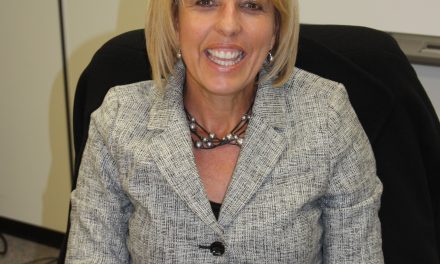
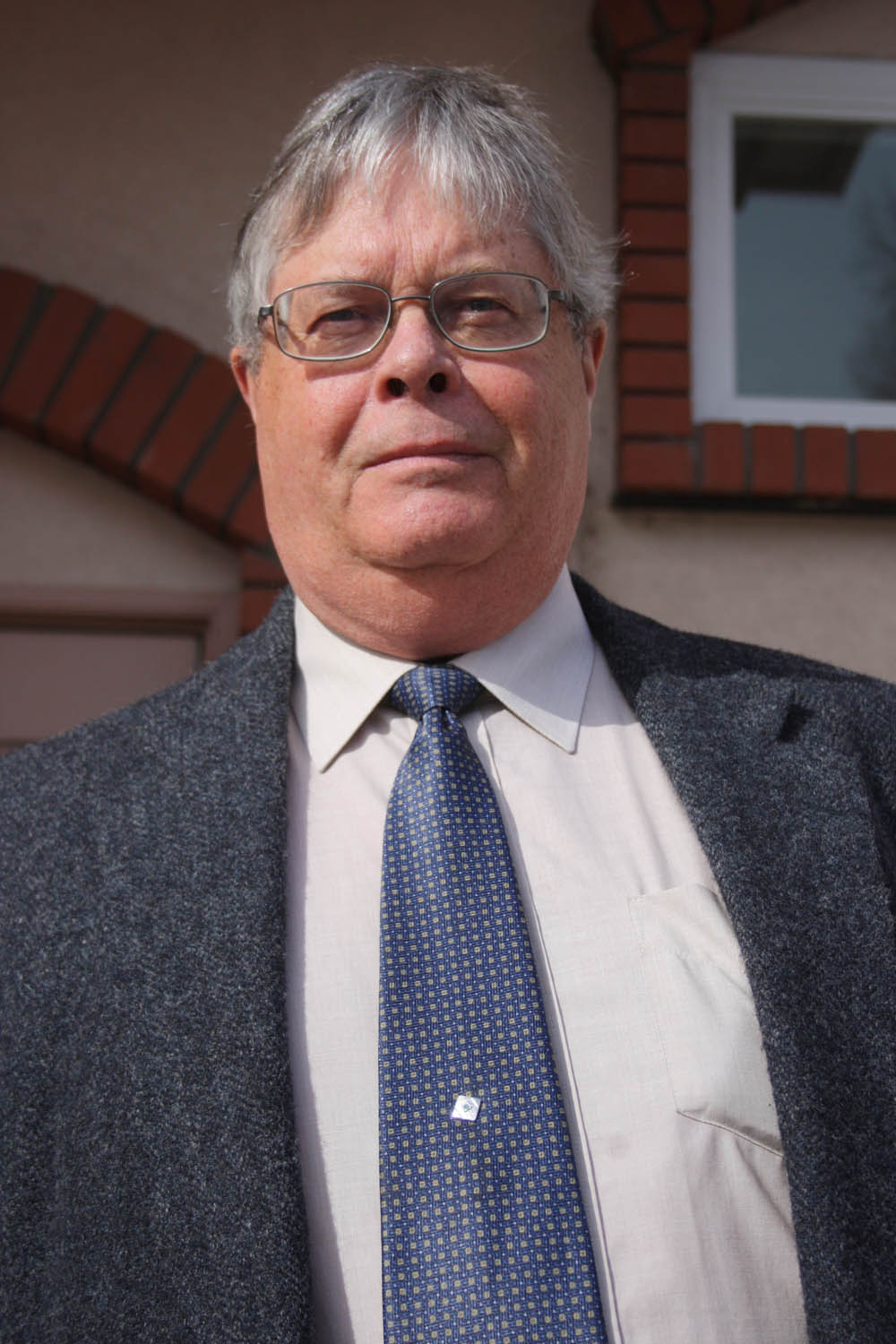
Jim Cleghorn, treasurer with the Mental Wellness Centre in Penticton, spoke to Osoyoos town council recently about mental health services available to residents of the South Okanagan. (Keith Lacey photo)
Funding is limited and local treatment services aren’t available, but there is still hope if you or a loved one suffers from mental illness and live in or around Osoyoos.
Jim Cleghorn, the treasurer with the Mental Wellness Centre in Penticton, made a presentation to Town of Osoyoos council recently outlining the services, programs and treatment options available to residents of the South Okanagan.
Located on Martin Street in downtown Penticton, the Mental Wellness Centre is operated by the South Okanagan-Similkameen Mental Wellness Society, said Cleghorn.
That society has replaced the former B.C. Schizophrenia Society, but is still affiliated with that provincial body, he said.
The society services clients from Osoyoos, Oliver, Keremeos, Hedley, Cawston, Princeton, Okanagan Falls, Penticton and Summerland and its goal is “to provide regular contact with these communities by regular visits by family support workers and enhancing the volunteer base,” he said.
Services and programs are offered not only to those who suffer from mental illness, but any family member or friend who may have a diagnosis of schizophrenia, bipolar disorder (manic depression), major depression or anxiety disorder, he said.
Latest statistics indicate one in five adults will suffer a mental illness and 74 per cent of those diagnosed begin showing symptoms during adolescence, said Cleghorn.
Those same statistics show 32 per cent of adults in the Okanagan Valley suffer from depression of another chronic mental illness, which is 10 per cent above the provincial average, he said.
Cleghorn said his personal opinion is the increased numbers for this region are caused by the number of children raised in poverty in by single parents and lack of economic opportunities that are commonplace in this region of the province.
“There is also one youth suicide per month and that’s simply unacceptable,” he said.
It’s also a sad reality that more than 60 per cent of those suffering from serious mental illness will not talk about or access help or treatment, he said.
“There’s still great stigma attached to it,” he said.
This means there are hundreds of people in Osoyoos and thousands in the South Okanagan who are suffering from mental illness, but not seeking help or treatment, he said.
The Mental Wellness Centre in Penticton offers one-on-one support, a resource centre and library complete with educational information and tools, family support groups and a Strengthening Families Together Education Program, he said.
Due to limited funding and resources, working with other community agencies and partners is crucial and the wellness centre works with numerous organizations, including:
- C Schizophrenia Society and Schizophrenia Society of Canada.
- Interior Health Authority: Mental Health Adults and Seniors.
- Ministry of Family and Child Development: Child and Youth Mental Health Team.
- Penticton and Area Co-operative Enterprises.
- Canadian Mental Health Association South Okanagan-Similkameen Branch.
- Community Response Network.
- Aboriginal Mental Health Team.
- South Okanagan Volunteer Centre;/
- Sprott-Shaw Community College Advisory Board.
The Strengthening Families Together program offers a 10-session course for families and friends of those with mental illness and information, skill building and support are provided, said Cleghorn.
Professional staff offer the program throughout the South Okanagan and it’s offered the fourth Thursday of every month in Oliver and Osoyoos, he said.
A very successful program offered in Penticton is called Martin House, which offers support and services for youth between the ages of 16 and 30 who have been diagnosed with a moderate to severe mood disorder, anxiety disorder and/or psychosis, he said.
A Networking Community Resources for Recovery program is offered daily, Monday to Friday, to assist youth to develop and attain goals for recovery, he said.
Support is offered for education, employment, independent living skills, healthy living, including social skills, and creative arts, he said.
A Peer Support program allows people in recovery to be trained to assist peers to attain individuals goals and peer supporter training is available to all persons in recovery, he said.
This program has funding for three part-time paid positions, which is encouraging, he said.
To combat stigma and discrimination, a Partnership Education program is also offered, which includes a personal storytelling model by a person in recovery, a family member and a professional, he said.
“It is a unique and powerful presentation that helps people in the community understand the nature and prevalence of chronic and severe mental illness,” he said. “This is offered on request for any community group.”
Another quality program is the Teens in Control program, where teens learn that their parents’ mental illness isn’t their fault nor their responsibility to care for or fix, he said.
It also teaches teens how to deal with the stigma about mental illness, the facts about mental illness and treatment and how to identify and communicate feelings, he said.
Teens are also taught how to make responsible choices, improve listening and communication skills through role playing exercises, means to cope with stress and have some fun in a relaxed and social setting.
“Whether teens have a parent with depression, anxiety, schizophrenia or any other mental illness, they all find that they have some common experiences and ways to cope,” he said.
The Kids in Control Support Group program gives information, education and support to children ages 8 to 13 who have a parent or close family members with serious mental illness.
This program offers 10 free interactive weekly sessions, all facilitated by people in recovery who can provide valuable information that will help the young peole on their recovery journey, he said.
They will also learn how to access peer support and build new life skills.
The wellness centre is always looking for new volunteer members, said Cleghorn.
“Our voice is only as powerful as the number of families and friends dedicated to our cause,” he said. “Help us continue to speak with and for families by joining the society today.”
A lifetime membership costs only $5.
For more information about the Mental Wellness Centre and its services and programs, call 1-250-493-7338.
KEITH LACEY
Osoyoos Times