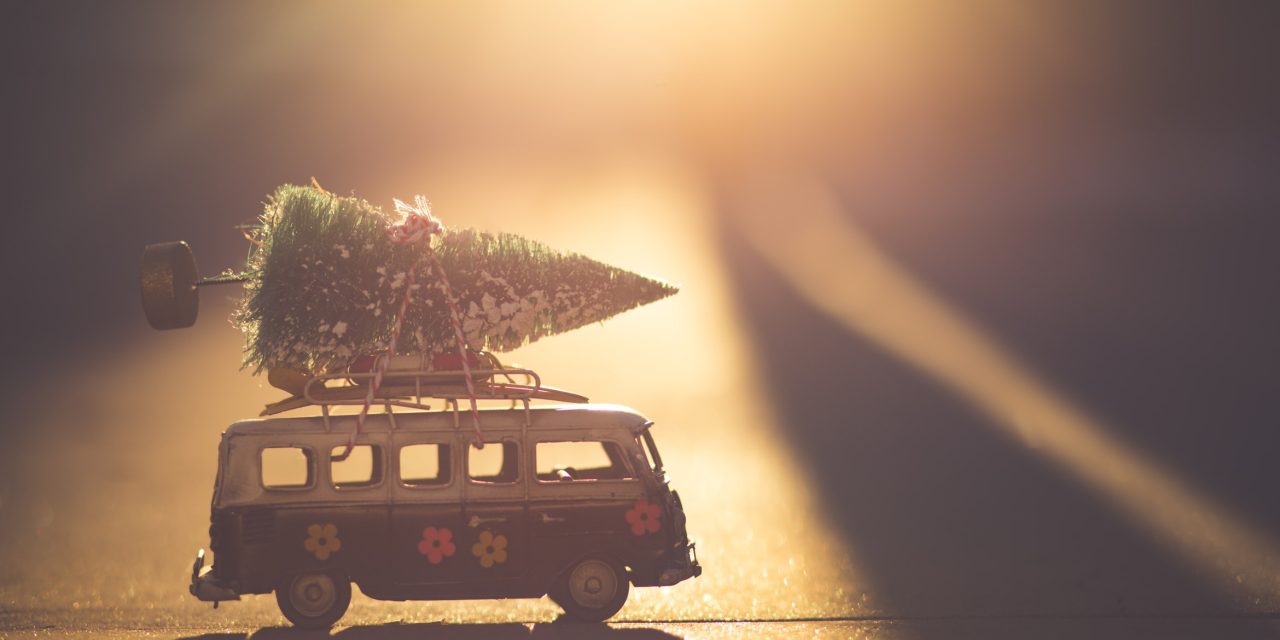
Christmas trees are forecast to be more expensive and in shorter supply, in much of Canada, this year after B.C.’s heat bubble and record rainfall wreaked havoc in mid-Nov.
The industry is worth over $100 million a year in Canada, with nearly half that amount again being exported, almost all to the U.S. according to the Canadian Christmas Trees Association.
And while B.C. doesn’t export cut Christmas trees, the province is a major supplier to the rest of Canada where the shortfall is going to be most sharply felt.
At the same time, demand across North America for real trees has never been higher, driven say industry watchers, by the ongoing pandemic.
But living in the middle of what one could argue is like one giant Christmas tree farm, British Columbians also have the benefit of being able to go out and cut down their own tree for free on Crown land.
All that’s needed is a downloadable ‘Free Use Christmas Tree Permit‘ from the Ministry of Forests, Lands, Natural Resource Operations and Rural Development website. The permit allows an individual to cut up to three trees on Crown land for personal use. It is illegal to sell these trees.
A spokesperson from the Vernon Natural Resource District office which oversees the Okanagan-Shuswap area said all that’s required is to read and understand the conditions, sign the form and keep the permit handy when cutting the trees.
The permit is largely a formality and is aimed at ensuring individuals are aware of the conditions imposed on tree cutting.
There is a useful information sheet available which details where trees can and cannot be cut.
Trees can be cut on Crown land along powerline right-of-ways (except where trees are being commercially grown), on logging roads (within three metres or 10 feet from the edge of the road), and on open rangelands.
Perhaps more to the point, trees cannot be cut from private lands including Indian reservations, plantations, research areas, parks and conservation areas, areas adjacent to rivers, streams, lakes or swamps, juvenile-spaced areas and any other areas reserved for special use.

The firewood permit map is useful for determining which is Crown land available for tree cutting. Yellow is private land, while green is park and conservation land.
When cutting a tree try to leave the bottom one or two branches on the stump which then may grow into another Christmas tree for future use. Do not leave any cut branches alongside the road or in the ditch, but instead scatter them on the other side of the ditch.
The forestry spokesperson advised those interested in cutting their own Christmas tree to consult the firewood permit map which closely details the various land areas in order to determine where trees can be cut. Essentially it’s the white areas on the map where trees can be cut, although cutting is allowed on the logging road right-of-ways that pass through private land.
Be sure to leave home prepared – bring ropes to tie the tree down, gloves, tools including a saw, a first aid kit, phone and warm clothing. Also, ensure you have proper snow tires on your vehicle.
And be aware of the fact that conditions on gravel forest service and natural resource roads can be less predictable than paved roads and they can be busy if active logging is underway.