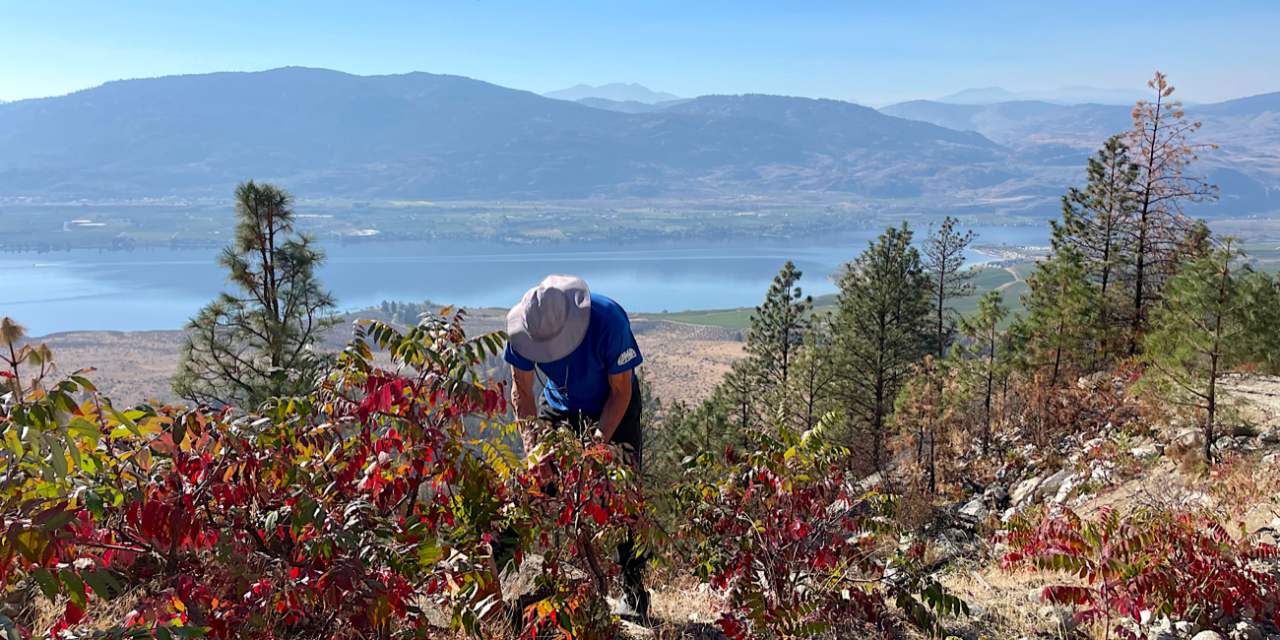
By Don Urquhart, Times Chronicle
A feasibility study into the commercial potential of over 160 non-timber, wild-harvested products like mushrooms, berries, roots, seeds, plants, and tree barks unexpectedly evolved into something far more profound for the Osoyoos Indian Band (OIB) recently.
“The initiative took a turn once we realized how much community members wanted to deepen and elevate their connection with the land and traditional practices,” says Vincent Dufour, a Registered Professional Forester with Siya Forestry – a joint venture between the OIB’s Nk’Mip Forestry and Infinity-Pacific Stewardship Group.
While perhaps not surprising given the deep historical and cultural connection where the land is respected, cherished and recognized far beyond simply timber and deeply intertwined with identity and tradition, it nonetheless came as a surprise.
This resulted in a shift in focus from commercialization alone, “to something more holistic, revitalizing cultural knowledge, supporting food security, and improving foraging opportunities for members,” Dufour explains.
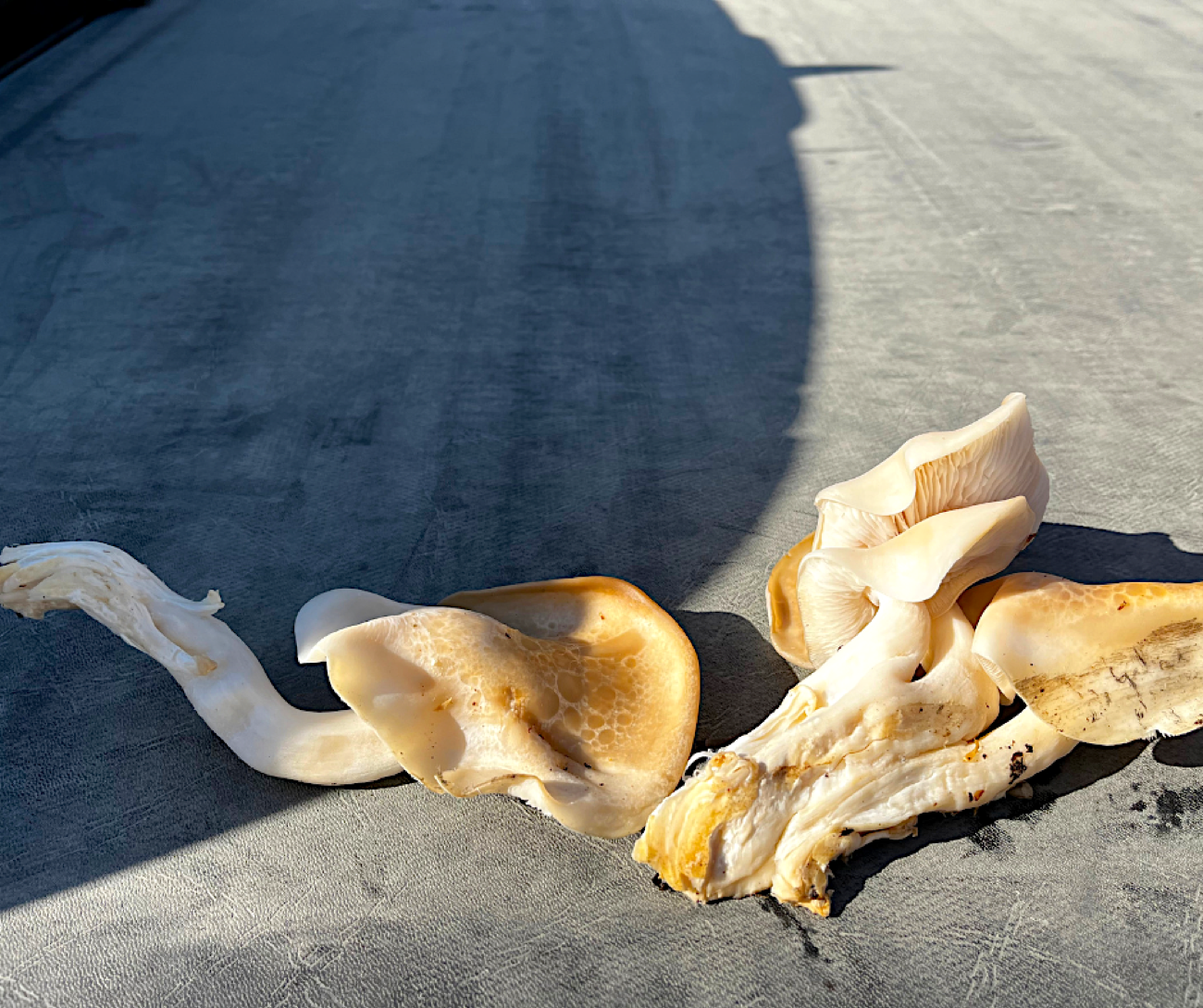
Mushrooms (unidentified).
Siya Forestry photo
The OIB is now actively working to revitalize traditional harvesting practices and build a path forward for the sustainable use and commercialization of these forest resources. At the heart of this effort is a project led by OIB and supported by BC Indigenous Forest Bioeconomy Program.
A key goal of the project is to develop a complete inventory of non-timber forest products across the OIB traditional territory, which stretches from the South Okanagan to the West Kootenays and surrounding areas.
This involves cataloguing where different species grow and what is available seasonally, while also identifying sensitive ecosystems that require protection.
“It’s a massive task, but it touches our heart,” says Dufour, who works alongside local community members and experts to map the availability and abundance of species like mushrooms, soapberries, wild mint, blackcap raspberry, juniper, and wild rose.
Over 160 non-timber forest products have been identified across the territory, each with the potential to be used traditionally or commercially, though commercialization is not the only goal, the OIB insists.
“We’re not just collecting data; we’re learning from Elders, harvesters, and knowledge keepers to ensure this work is respectful, accurate, and valuable for future generations.”
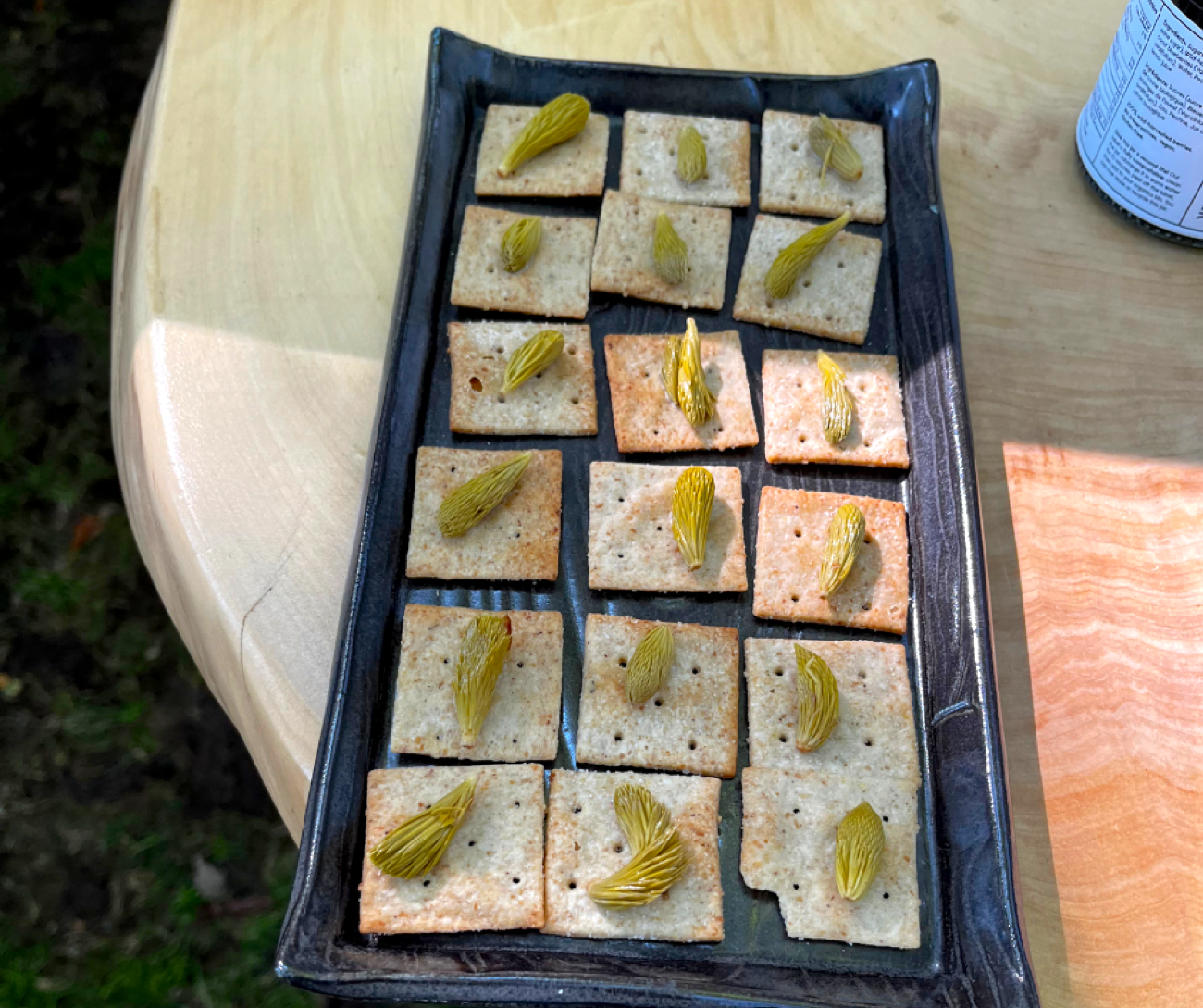
Pickled fir buds on crackers.
Siya Forestry photo
The project also includes hosting community events and field activities that offer OIB members hands-on experience in identifying and harvesting these natural products.
“These events have been well received, sparking excitement among participants and growing interest in learning more about traditional foraging,” the OIB said.
The band noted that while the initiative is grounded in cultural beliefs and practices, it also opens the door to future economic development.
“There is definitely interest in the commercial side of things, especially around mushrooms and herbal plants,” says Dufour. “But we need to ensure it’s done in a way that respects sustainability, cultural protocols, and the land itself.”
Sustainability is a central concern with Dufour emphasizing that “commercial harvesting must be carefully managed to avoid overharvesting or disrupting the ecosystem.”
Other challenges include the lack of clear legislation around harvesting and commercial use of these products. In BC, few policies are in place to support the sustainable and legal development of non-timber forest resources at scale, Dufour notes.
“There’s a regulatory gap,” he says. “That makes it nearly impossible for First Nations to participate in the market, even when the interest and knowledge exists. Ideally, First Nations should be consulted before any harvesting takes place, yet that is often lacking.”
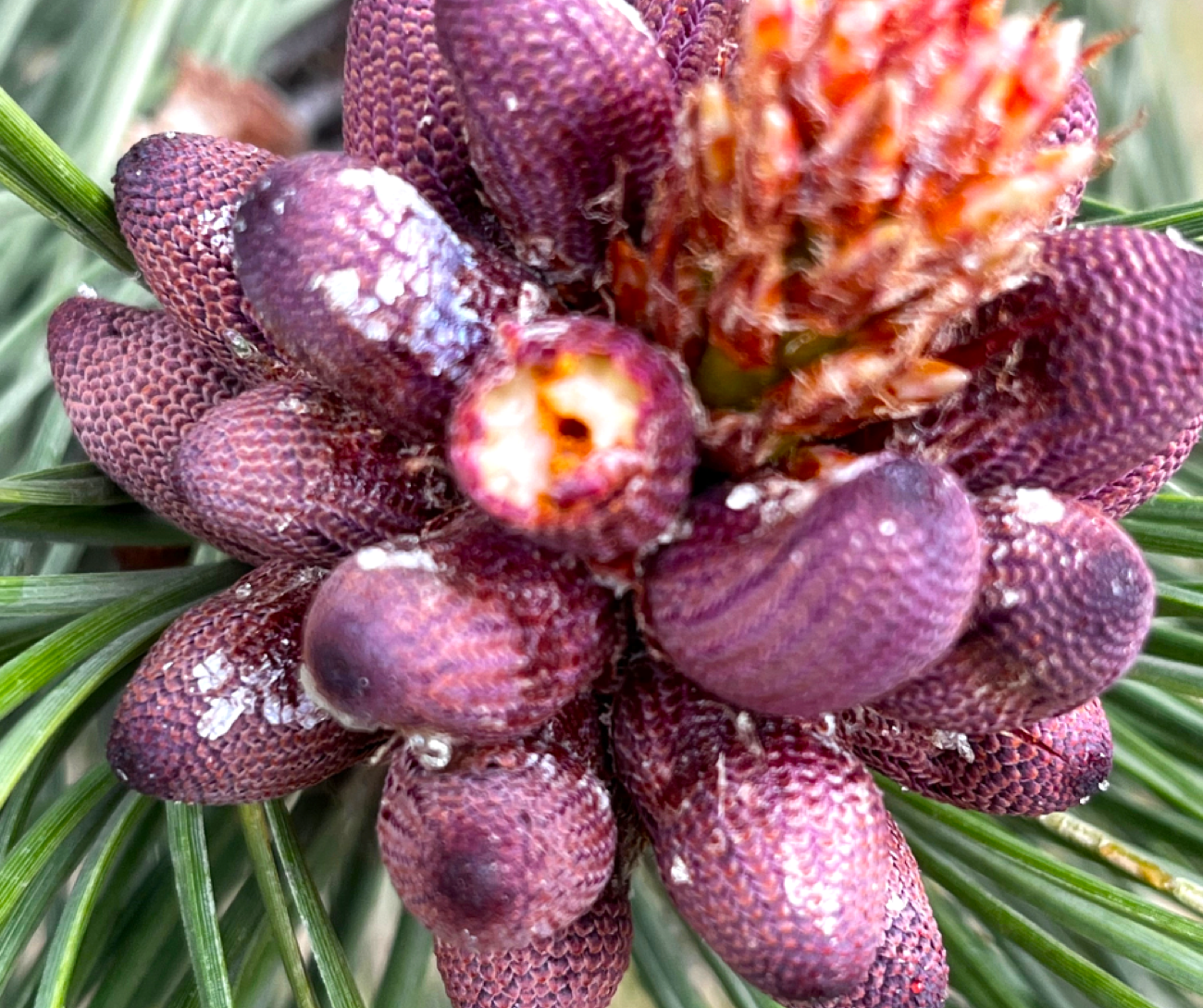
Ponderosa pine pollen.
Siya Forestry photo
Infrastructure is another barrier. Without proper processing, storage, and distribution systems, scaling up production or bringing these goods to broader markets is difficult.
Still, Dufour remains optimistic. “We’re laying the foundation for something long-term. Whether commercial or not, this work is valuable because it strengthens our connection to the land and brings knowledge back to the community.”
The project is now attracting attention from other Nations and organizations interested in similar work. The OIB’s approach – grounded in cultural values, community participation, and sustainable practices – potentially offers a model of how these forest products can be tapped for future economic opportunities while still being guided by traditional knowledge.
“Wild-harvested goods have been part of Indigenous life for generations,” says Dufour. “This isn’t new; it’s a return to what the First Nations communities have always known. The difference now is we’re creating the tools, the data, and the systems to protect that knowledge and use it well.”