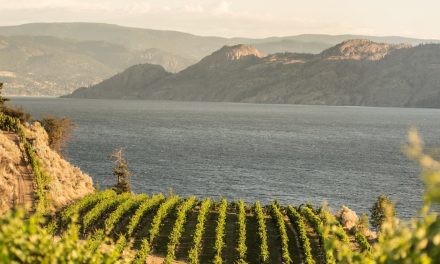
The gates of the Zosel Dam in Oroville are used to raise the level of Osoyoos Lake in the spring. (Richard McGuire file photo)
A colder February has helped to bring snowpacks closer to normal in the Okanagan and Similkameen, according to the most recent bulletin from the B.C. River Forecast Centre.
The Okanagan basin is at 86 per cent of normal and the Similkameen is at 83 per cent.
Meanwhile, operators at the Zosel Dam in Oroville are increasing the water level of Osoyoos Lake to manage spring snowmelt.
The lake will gradually gain about two feet between early March and early May. As of Monday, the lake level was at 910.5 feet above sea level.
The International Joint Commission, a board made up of representatives of Canada and the U.S, mandates this seasonal adjustment of the lake level.
By early March, most of B.C.’s annual snowpack has typically accumulated. The lower snowpack levels this year suggest little risk of floods due to snowpack, although weather during the melt season, especially extreme rainfalls, can increase flood risk.
“With six to eight weeks remaining in the snow accumulation seasons, changes to the seasonal runoff outlook are possible,” said the Snow Survey and Water Supply Bulletin for March 1, which was released on March 7. “But at this stage, it would require extremely wet or cool conditions to make a significant impact on seasonal flood risk.”
Although the Okanagan and Similkameen have inched closer to normal snowpack conditions, the situation is different in the Boundary, which is at only 59 per cent of normal. This is lower than anywhere else in the province except the far north.
With lower temperatures this winter, the low elevations have experienced a greater proportion of precipitation as snow than normal.
“This season’s snowpack can be considered ‘upside-down,’ with higher than normal snowfall occurring at low elevations, but below-normal snow at high elevations,” said the bulletin.
Drier conditions, however, have resulted in lower than normal snowpack at high elevations, despite colder conditions.
“Increased snow at low elevations plays a limited role in seasonal flood risk or water supply into the spring and summer,” the bulletin cautions.
For much of this winter, weather patterns were influenced by La Niña conditions in the equatorial Pacific Ocean. Since early February, however the La Niña advisory has been lifted by the Climate Prediction Center at the U.S. National Weather Service.
The speed at which snow melts can influence the level of Osoyoos Lake, sometimes making it impossible to control at the Zosel Dam.
This occurs usually when high flows on the Simikameen River cause water to “back up” on the Okanogan River below the Zosel Dam and above the confluence of the Similkameen and Okanogan rivers.
“These spring runoff events are to be expected and they don’t usually last too long,” said Al Josephy, who oversees the dam’s operation for the Washington Department of Ecology. “During these periods, the gates at the dam are kept wide open and the river and lake react based on the natural flow of the river.”
RICHARD McGUIRE
Osoyoos Times