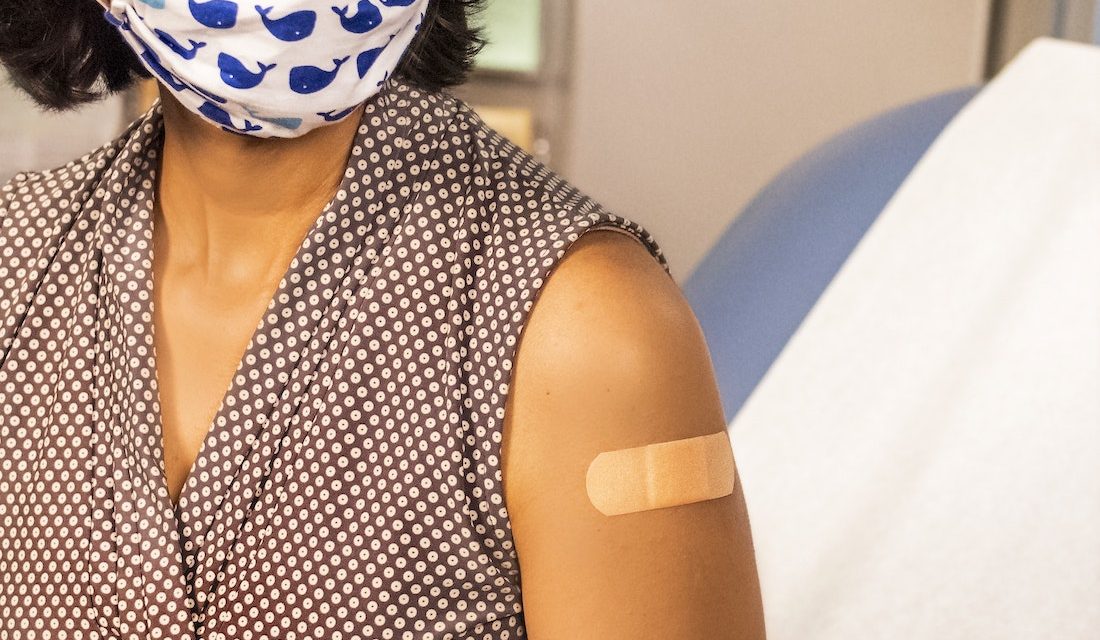
The roll out of B.C.’s Omicron-targeted COVID-19 vaccine booster program will begin later this week with the first wave of invitations via email and text message in a similar fashion as previous vaccination rounds.
Health Canada announced last week the approval of the adapted version of the Moderna Spikevax COVID-19 vaccine. This vaccine – known as a “bivalent” vaccine – targets the original SARS-CoV-2 virus from 2019 and the Omicron (BA.1) variant.
Dr. Bonnie Henry, B.C.’s provincial health officer said the vaccine – the first bivalent COVID-19 vaccine authorized in Canada – offers protection against all Omicron sub-variants, including BA.4 and BA.5, which are presently the dominant ones in circulation.
The first tranche of vaccinations will target health-care workers and at-risk groups, including those with compromised immunity or a chronic condition, Indigenous people, those in communal living situations and people aged 60 and over.
About 110,000 doses of the Moderna bivalent vaccine are expected to arrive in B.C. this week, with larger deliveries to follow.
B.C.’s fall booster program is expected to quickly ramp up to maximum capacity of 280,000 people per week, with pharmacies and public health clinics carrying out the majority of vaccinations.
Starting in October, the province will begin offering both a COVID-19 booster shot and a flu shot at the same time. Henry said health authorities across Canada are anticipating a spike in COVID and influenza in November-December.
While the past two years have seen very little influenza because of social distancing and mask wearing, Henry said the flu season is expected to return with a wallop, mirroring what was seen recently in Australia and New Zealand’s southern hemisphere winter.
Henry encouraged British Columbians to take personal responsibility to protect themselves and others by staying home when ill, wearing a mask in group settings, washing hands and staying up to date on vaccinations.
Importantly, Henry said it’s not necessary to have either of the two earlier boosters before getting this new Omicron-targeted booster vaccine, all that is required as a minimum is the first vaccination.
Henry also said it was unlikely that the province would return to widespread public health restrictions seen over the past two years due to the high level of vaccination in the province.
“The tools used when we had no immunity and needed drastic measures are no longer effective and no longer needed in most cases,” said Henry. “We can trust people in our community to do those things, so we don’t need the heavy hand of restrictions, in my opinion.”
Dr. Penny Ballem, the executive lead of B.C.’s COVID-19 immunization plan highlighted the importance for people to keep their vaccines up to date as the province enters a new school year. This will be the first school year since the pandemic began with very few COVID-19 protections being instituted in B.C. schools.
This is a concern given that just over 58 per cent of children aged five to 11 in B.C. have had one dose of the pediatric vaccine, with just over 46 per cent having had two doses. This is one of the lowest in Canada and far lower compared to Newfoundland and Labrador, where 82.5 per cent of children in the same age group have had one shot and 66 per cent have had two doses.
Health professionals have criticised the B.C. government for failing to adequately communicate the importance of pediatric COVID-19 vaccinations.
Sonia Furstenau, leader of the B.C. Greens and MLA for Cowichan Valley says the provincial government’s communication has weakened over the course of the pandemic.
“There needs to be a public education campaign on airborne transmission and how to reduce our risk of being infected by COVID-19.” Families and staff should have clear direction from public health and the government about how to reduce risk of illness, Furstenau said.
“We are sending children back to school without effective protections from an airborne virus. Every effort should be made to reduce illness and promote wellness among students and staff.”
She said the past two school years have seen a spike in infections, but the Ministry of Education has changed little in their approach. “This refusal to follow the science will continue to overrun our hospitals and put our children, staff, and families at risk,” she said.
Furstenau said the ideal return to school would see “upgraded ventilation and filtration in every school across the province and transparency around which schools and classrooms have had ventilation upgrades.”
It would also include a CO2 monitor in every classroom which indicates the effectiveness of ventilation, and N95 masks available to all students and staff.
Meanwhile, in announcing the approval of the new vaccine last week, Health Canada said that after a “thorough and independent scientific review” of the evidence it determined that the bivalent Moderna Spikevax booster is safe and effective.
Clinical trial results showed that a booster dose of the bivalent Moderna Spikevax vaccine triggers a strong immune response against both Omicron (BA.1) and the original SARS-CoV-2 virus strain, Health Canada said.
It was also found to generate a good immune response against the Omicron BA.4 and BA.5 subvariants, and is expected to extend the durability of protection.
This adapted vaccine has a similar safety profile to the previously approved Moderna Spikevax booster, with the same mild adverse reactions that resolved quickly.
Health Canada and the Public Health Agency of Canada “will continue to closely monitor the safety of this vaccine in Canada and internationally, and will take action if any safety concerns are identified.”
To receive an invitation to get a booster or flu shot, you must be registered with Get Vaccinated B.C., available online or through the provincial call centre at 1-833-838-2323.