By Times Chronicle Staff
The BC Community Bat Program (CBP) is seeking assistance from residents in the Okanagan and Similkameen following reports that bats are getting injured or crushed by roll up blinds and power awnings that provide shade to homes in the summer.
The bat program is seeking additional information in order to assess how common this problem is and to address it accordingly.
Bats are important wildlife that provide natural insect pest control and are already facing problems with a number of threats including white-nose syndrome (WNS), a disease that has killed millions of bats since 2016. WNS does not affect people or pets.
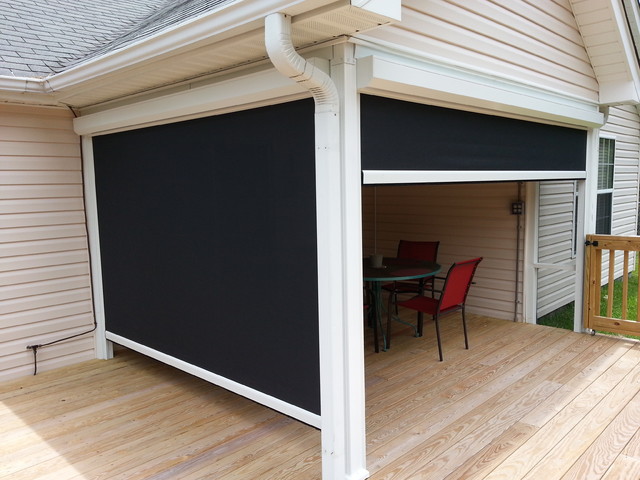
BC Bat Study requests reports of bats using exterior window shades and power awnings like this one.
“Most people install exterior roll up blinds and power awnings on the south or west side of their house to help create shade and cool their house. The last thing they want to do is harm bats as a result of their action,” says Paula Rodriguez de la Vega, BC Community Bat Program, Okanagan coordinator.
“However, over the last few years, we’ve been getting reports in southern BC of bats being attracted to the shutter housing or box into which the blinds or awnings roll into. Bats are accidentally and unintentionally getting squished or injured when the blinds are rolled up and then they fall out dead when the blinds get rolled down”.
Some bats are drawn to small, secure spaces in human-made structures, making awning or shade boxes appealing to them. To address this, a potential solution involves modifying the awning box design by incorporating features like broom bristles or a cap to seal the entry gap, effectively preventing bats from entering.
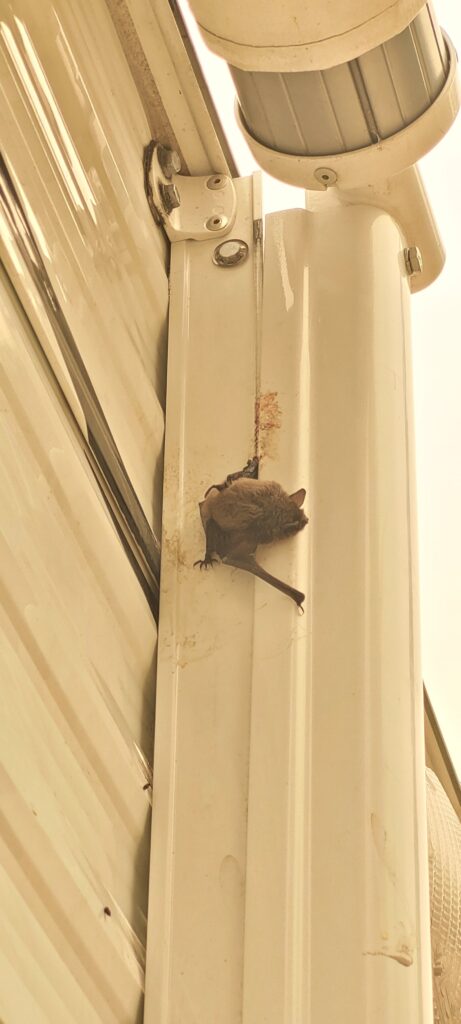
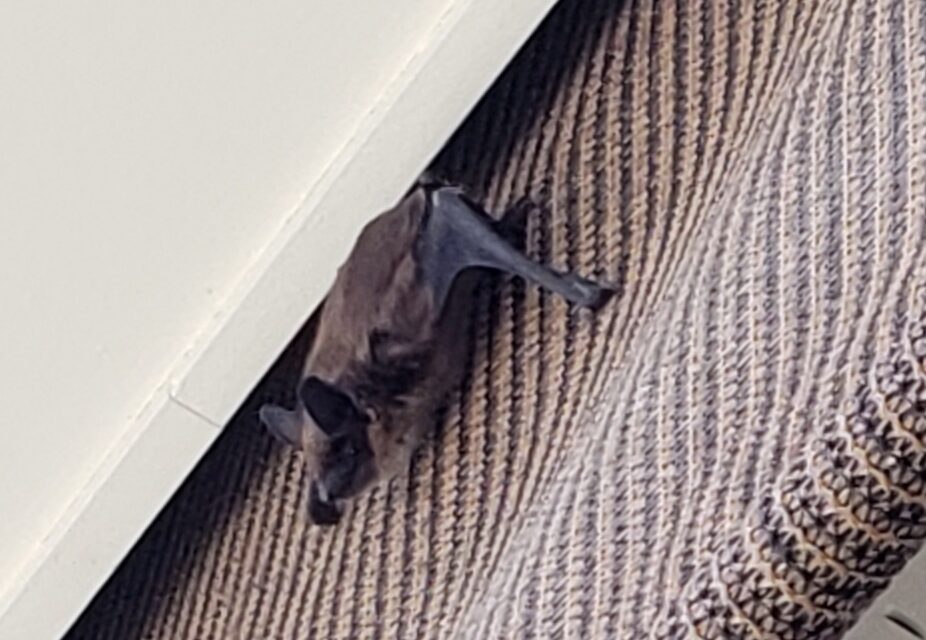
If you have seen bats getting unintentionally injured or squished by exterior awnings and roll up blinds you can help biologists understand if this is a common occurrence by participating in the survey. Troy Corbin photo
Rodriguez de la Vega said that if it is determined that such incidents are frequent, the program intends to engage with manufacturers of these blinds and awnings to explore potential design changes.
Nine of the 15 species that live in British Columbia are listed as at risk of disappearing according to the bat program. “We only have insect eating bats in BC. They control nocturnal insect populations and help cycle nutrients from wetlands to forests,” says Rodriguez de la Vega.
Bats differ from mice in their behaviour; they do not construct nests, nor do they chew or scratch to access buildings, as rodents often do. According to Rodriguez de la Vega, some bats are drawn to small, secure spaces in human-made structures, making awning or shade boxes appealing to them. To address this, a potential solution involves modifying the awning box design by incorporating features like broom bristles or a cap to seal the entry gap, effectively preventing bats from entering.
The BC Community Bat Program is funded by Environment and Climate Change Canada, Habitat Conservation Trust Foundation, Habitat Stewardship Program, and administered by the BC Conservation Foundation.
The BC Community Bat Program is requesting that if anyone has seen bats roosting in summer roll up blinds, shades, or awnings in the past years to contact them at bcbats.ca/got-bats/dontsquishbats/, email [email protected] or call 1-855-922-2287. To report dead bats this winter, visit bcbats.ca.