By Dale Boyd
Osoyoos Times
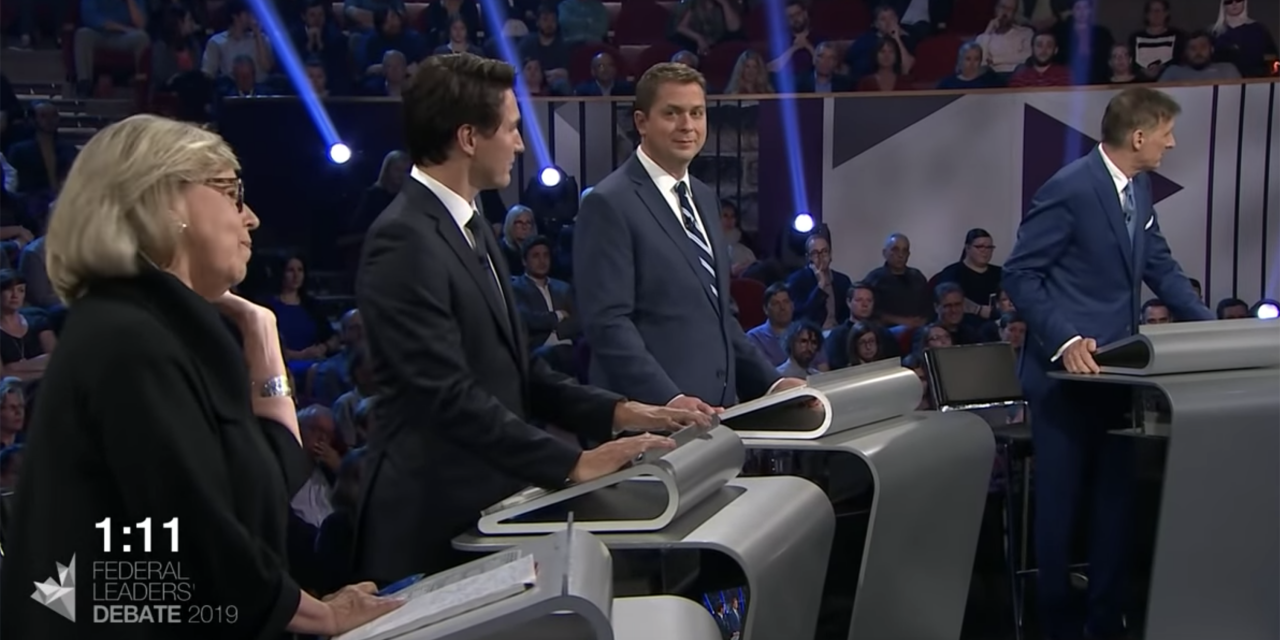
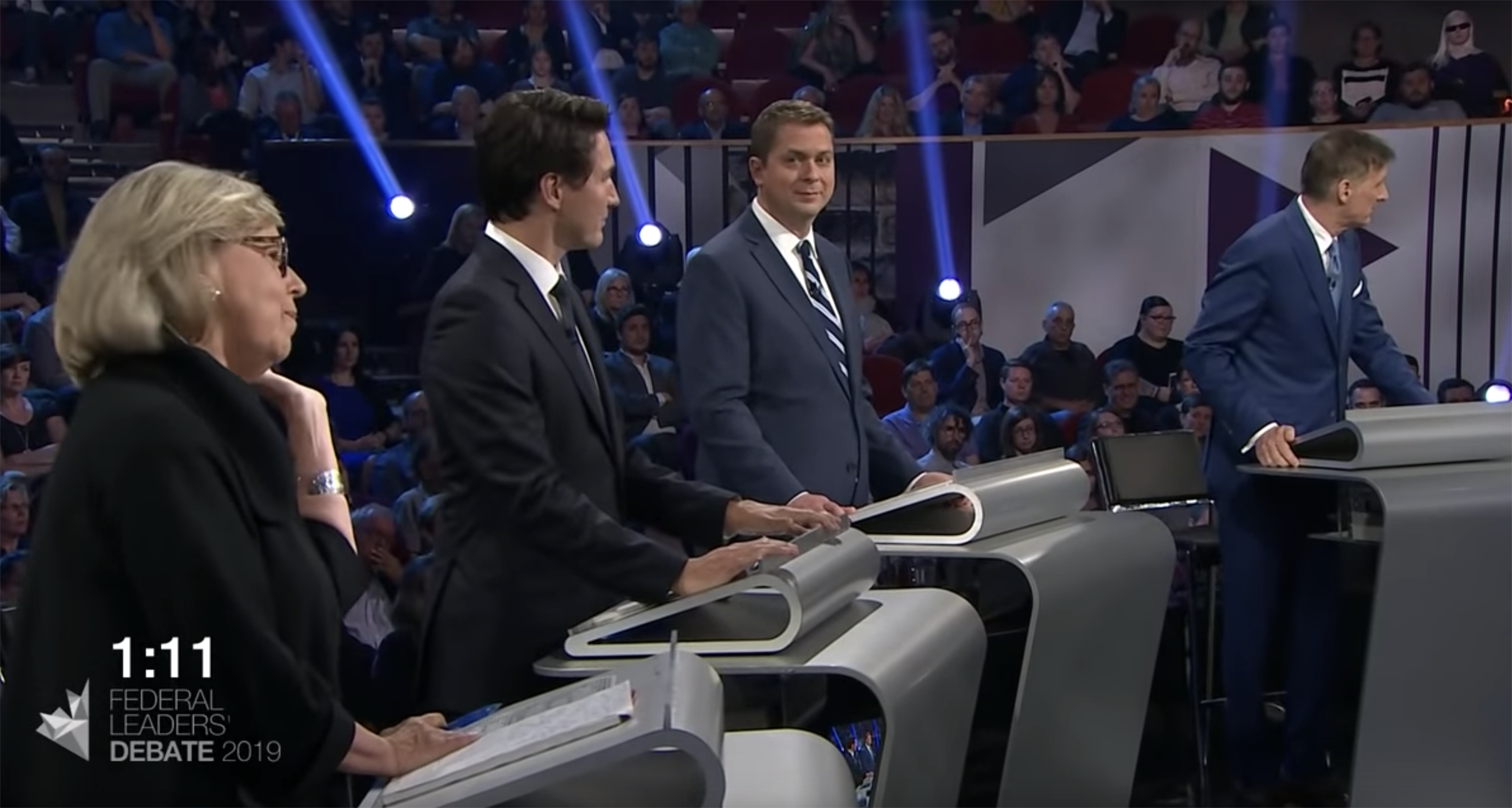
After watching disastrously divisive politics play out in the U.S. my heart was warmed, if only slightly, by the final (only?) English Federal Leaders debate on Monday night in Gatineau.
An American-style campaign is playing out, but only between two candidates: “Mr. Deny and Mr. Delay” as NDP leader Jagmeet Singh put it. I would call them Mr. Spend or Mr. Cut, but same difference.
Roughly the first half of the debate was weirdly dominated by one topic: polarization. It is a defining issue of the time, but not in real Canadians’ lives and more so on Twitter and Facebook.
The aforementioned warming of my heart came after watching candidates who represent very different ideas finding small moments of common ground despite having the question of polarization explored at least three times, by my count.
Conservative leader Andrew Scheer took the first question on polarization and made it clear he had a divisive strategy from the get-go, barely containing himself as he finally got to call Justin Trudeau names to his face. Cool.
Scheer and Trudeau are running 2008 campaigns in 2019, and it shows.
• Read more: Candidates address crime, seniors’ care strategy at all-candidates meeting
It is indicative of something prevalent today not only in politics, but in regular conversation: binary mode. Like a light switch with two settings: on and off, Conservative or Liberal.
Discussions between Mr. Singh and Elizabeth May, along with Bloc Québécois leader Yves-François Blanchet saw examples of cooperative leadership, mostly avoiding zero-sum claims of “I’m the only one who can save you,” politics.
Anyone who works long enough in the journalism field knows the pitfalls of presenting two sides of a story as de facto equals. Life doesn’t work like a light switch, and neither should journalism or Canadian politics. I can simultaneously reject things the prime minister says or does, and agree with some of his policies. For instance: I’m quite upset that Trudeau doubled down on calling the Globe and Mail SNC-Lavalin allegations untrue, an affront to good journalism.
There are small parts of almost every platform that I agree with, however it is the zero-sum game in the polling booth that messes with our heads a bit. Maybe we should explore ranked voting, Irish-style elections?
Elizabeth May was the only leader to point out candidates are running to work as public servants, not win a prize, and I thank her for that important context. She also gets extra points for paying attention to what the actual questions were (attention sorely missing from other candidates).
It is easier to make up your mind when you have an A choice and a B choice, sure, but this means context, subtly, history and reality go by the wayside.
What is difficult is wading in to the weeds and finding out that life is full of more subtle shades of grey than clear-cut answers. Politicians have the unfortunate job of convincing you otherwise to grow voter bases.