By Times Cronicle Staff
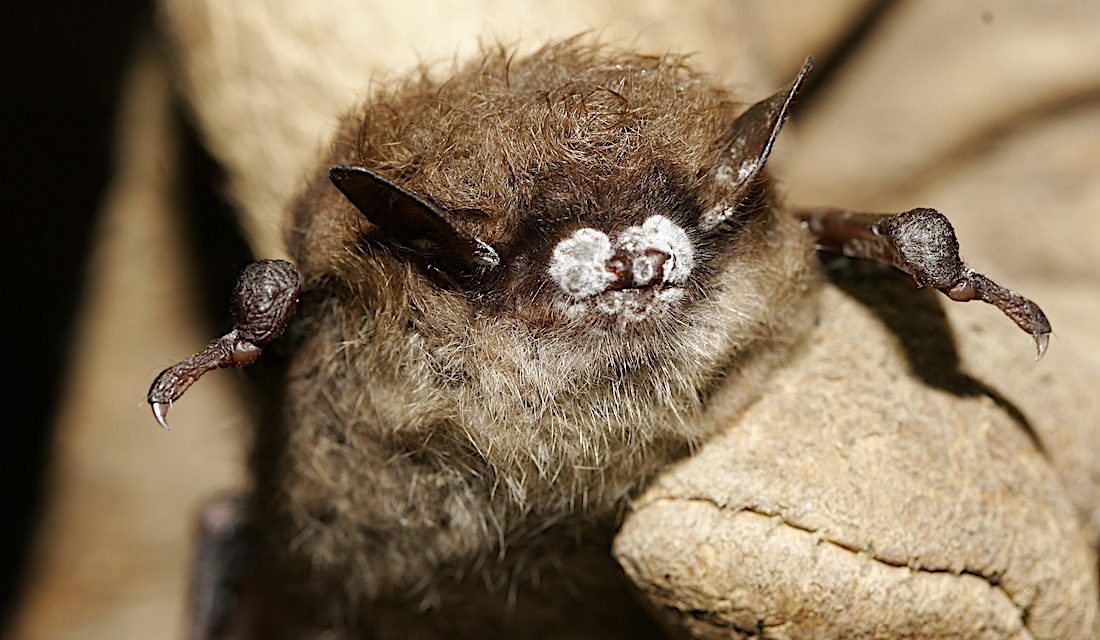
The fungus responsible for white-nose syndrome in North American bats has been detected in a bat guano (droppings) sample collected in the Metro Vancouver area, according to the Province.
The fungus was first identified in BC in guano found in the Grand Forks area in 2022 and the Ministry of Water, Land and Resource Stewardship noted in a statement that while this is BC’s second detection of the fungus in guano samples, there have still been no confirmed cases of white-nose syndrome in bats in the province.
White-nose syndrome is a fungal disease that disrupts bats’ winter hibernation resulting in infected bats waking more often which uses up the energy they need to survive the winter, leading to starvation and death.
White-nose disease has had devastating impacts on bat populations east of the Rocky Mountains and has contributed to three Canadian bat species – Little Brown Myotis, Northern Myotis and Tri-coloured Bats – being listed as endangered under the federal Species at Risk Act, the Ministry noted.
Bats play an important role in ecosystems, consuming large numbers of insects, including pests that affect crops and forests, and their loss could lead to significant ecological and economic impacts, warn scientists.
“Protecting bats supports broader efforts to conserve wildlife and maintain healthy ecosystems in BC,” the Ministry added.
The fungus spreads mainly through contact between bats. The fungus doesn’t affect humans, but people may spread fungal spores through the movement of contaminated clothing and gear, or the accidental translocation of bats.
While there is currently no cure or treatment for white-nose syndrome in wild bats, researchers are actively working on one.
Members of the public can help support bat conservation by reporting sightings of bat roosts, dead bats or unusual bat activity in winter to the BC Community Bat Program.
People should never touch bats with bare hands and should always seek medical attention immediately if there is contact or suspected contact with a bat.
People interested in helping with bat conservation can also participate in citizen science programs and stewardship efforts through the BC Community Bat Program.
For more information on bats in BC visit the Province’s batinformation page, and for the BC Community Bat Program, visit bcbats.ca .