By Don Urquhart, Times Chronicle
In the face of unhappiness amongst Regional District of Okanagan-Similkameen (RDOS) residents over the sharp rise in cost for curbside and recycling services, the RDOS has issued an “explainer” detailing various aspects of the new seven-year contract it recently ratified.
Saying that the RDOS Board of Directors and staff understand the challenges increased fees pose to families the RDOS explained that every seven years it conducts a request for proposals (RFP) for the Curbside Collection Program contract. Earlier this year an RFP was issued and the lowest bid was accepted.
“Among all the bids received, Waste Connections Canada was deemed to be the most qualified and feasible contractor,” the RDOS said. The company is one of Canada’s largest full-service waste management companies and is the current contractor for RDOS curbside recycling and garbage collection.
The curbside and recycling contract, which includes mixed food and yard waste, takes effect July 1, 2025. Based on the increased cost of the new contract Electoral Area A (Rural Osoyoos) will see a 127 per cent increase from $147.30 in 2024 to $337.41 in 2025 while Electoral Area C (Rural Oliver) will go from $162.98 to $383.29, an increase of 135 per cent.
The curb side and recycling services will require the use of bins, which will further impact the actual rates which will be be reviewed and recommendations will be made later in 2024.
To reduce the impact on customers, the RDOS will transition from annual to quarterly billing. A monthly, equal payment plan option is also available. For payment information, visit the finance page on the RDOS website: rdos.bc.ca.
The Waste Connections Canada contract requires carts for each residence and by introducing carts the= curbside and recycling collection will be moved to an automated collection system. This reduces work-related injuries for staff as it eliminates the need for lifting or maneuvering heavier bins, the RDOS said.
Easy-to-roll carts also improve neighbourhood aesthetics by keeping materials contained, reducing the reliance on bags, and limiting litter blowing away. Many cities and regional districts in BC have switched to carts, it added.
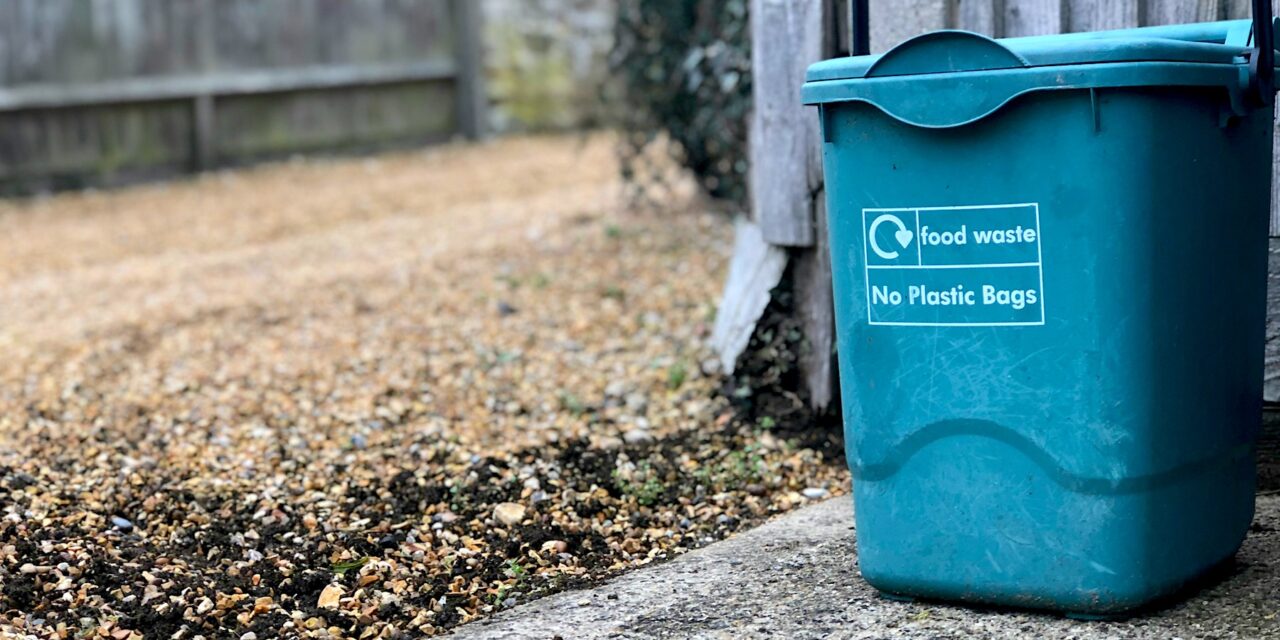
Three carts will be provided by the RDOS to each household and will be delivered prior to the start of the new collection contract in July 2025. The three carts include one for garbage, one for recycling, and one for organic waste (yard and food waste).
Food scraps and other organic materials account for approximately 40 per cent of waste entering landfills in the Regional District by weight, and the RDOS Solid Waste Management Plan has identified composting as one of the best means to divert waste entering local landfills.
Diverting food waste from landfills can extend its life and delay the need to develop more costly landfill sites. It is estimated that composting food waste will reduce harmful greenhouse gas emissions by 14 per cent.
The costs to process organic food scraps collection service is expected to be lower than the cost to landfill these food scraps. This service is anticipated to begin in Electoral Areas “B” “D” “E” “F” “G” and “I” upon completion of an organics composting facility at Campbell Mountain Landfill later in 2025. Notably Areas “A” and “C” – rural Osoyoos and Oliver are not included.
The RDOS also highlighted that curbside and recycling customers are not able to opt out of curbside and recycling collection. According to the Local Government Act (B.C. Reg. 398/2000 REGIONAL DISTRICT SERVICE WITHDRAWAL REGULATION), the service of the regulation, storage and management of municipal solid waste and recycling material is not subject to withdrawal.
For more information visit the curbside and recycling collection project page at rdosregionalconnections.ca or call the RDOS Solid Waste hotline at 250-490-4129.