By Don Urquhart, Times Chronicle
Described as “sobering” the Town of Osoyoos has unveiled its proposed 2023 budget and five-year capital project plan which foretell a future of tough financial pressures.
The town noted a number of challenges facing this year’s budget process including increased service demands, across the board increases in town costs, significant increases to the cost of living, rising interest rates and substantial financial needs related to aging infrastructure.
The need for an asset management plan, largely absent in prior years, was also identified as important going forward.
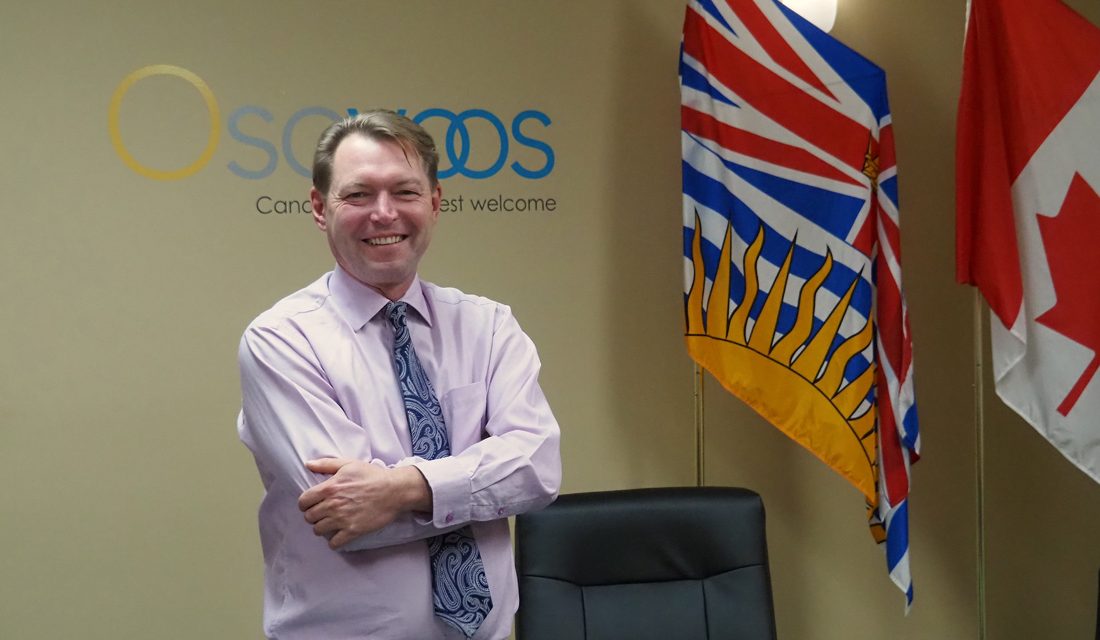
Noting that Osoyoos’ primary revenue sources are “relatively modest,” the town’s Chief Administrative Officer Rod Risling says that because the town failed to capitalize on opportunities in the past this has only delayed addressing what he calls the “hidden infrastructure deficit.”
“Administration is now recommending a shift from the current practice of remaining conservative from a property tax and user fee perspective change.”
As such Risling says the town administration would like to see a sharp focus on Osoyoos becoming a “financially sound sustainable community.” As part of that he urges the adoption of a dedicated “sustainability fund” increase to address the current infrastructure deficit.
This has led to proposed increases to what Risling calls the “big three budgets.”
These include a five per cent hike in property tax, a 12.48 per cent jump in sewer fees and a nine per cent increase in water costs.
For a typical residence valued at $631,896, these increases would amount to a total of $9.54 a month or $114 per year “to prepare for future infrastructure repairs and replacement.”
This will be crucial, Risling says in order to start the process of “dealing with our depreciating assets.”
He added that this type of an increase “will be required for a few years but will make a dramatic difference to our overall bottom line over time.”
Furthermore, “it will also assist the financial planning process whereby investments can be analyzed versus borrowing for every project, thereby saving tax dollars.”
It is also recommended that this increase of $9.54 be compounded annually to property taxes and utilities for the next few years, and “if Council chooses to, they could also decide to increase this amount as it is understated based on the needs.”
The forecast and funding requirements need to be considered from a longer-term capital
perspective.
There is also a warning that many of the town assets need significant maintenance or replacement. “Many of the costs for these items can be pushed into later years, but they are still in our near-term future,” Risling warns.
“We will need to incur significant debt. Our current debt is about $10M, which will increase to $33M if all items within the five-year capital budget are approved.”
While much of the debt would be applied to utilities, if all the debt was applied to property taxes, the average residential home would realize a property tax increase equating to about $450 per annum in 2027.
“In addition, our reserve is projected to deplete from $18M to $6M,” he said, also cautioning that this would not mean that all the assets would be new.
“Further debt will be required to repair our roads and replace other aging infrastructure on things like Desert Park, roads, and our underground utilities, all with the added pressure of significant cost escalations due to extraordinary inflation.”
Jim Zakall, Director of Finance/Deputy CAO included comparisons for the “big three” budget items to other communities in the Okanagan.
For a typical residential home Osoyoos property taxes (including education taxes) in 2022 were $2,600, virtually the same as Oliver and lower than Peachland ($3,374), Penticton ($3,306) and Summerland ($3,102).
On sewer fees Osoyoos comes in at $302 per year, slightly below Oliver’s $311 and lower than Peachland, Penticton and Summerland which is the highest at $441.
For water, residents of Osoyoos pay a flat rate of $394 per year compared to Keremeos which also does not currently use water meters and charges a flat fee of $362. For communities with water meters the average costs are: Peachland ($320), Oliver ($360), Penticton ($549) and Summerland ($668).
Other proposed fee hikes include a fire protection levy increase of 22.31 per cent, policing levy up 3.49 per cent, garbage and recycling fees up 6.17 per cent
“Every municipality is different and has its challenges,” Risling says. “Finding the balance between maintaining existing infrastructure, improving it when there are regulatory changes or needing to accommodate growth, and dealing with the increased demands on soft services, including infrastructure to attract tourists, is difficult when revenue sources are limited.”
Risling adds that by year three of the five-year plan the town hopes to have an asset management plan and other infrastructure plans completed, “enabling a more informed, detailed discussion on the state of our infrastructure and the maintenance/replacement financing options.”
A special open meeting at Town Hall Council chambers will be held starting at 7 p.m. on Tuesday, Dec. 6 where the public is invited to discuss and make recommendations on the content of the operating budget and Five Year Capital Plan. The public may also attend full day budget discussions by Council on Dec. 7-8 from 9 a.m. to 4 p.m. but will not be able to participate. These council sessions will also be streamed.