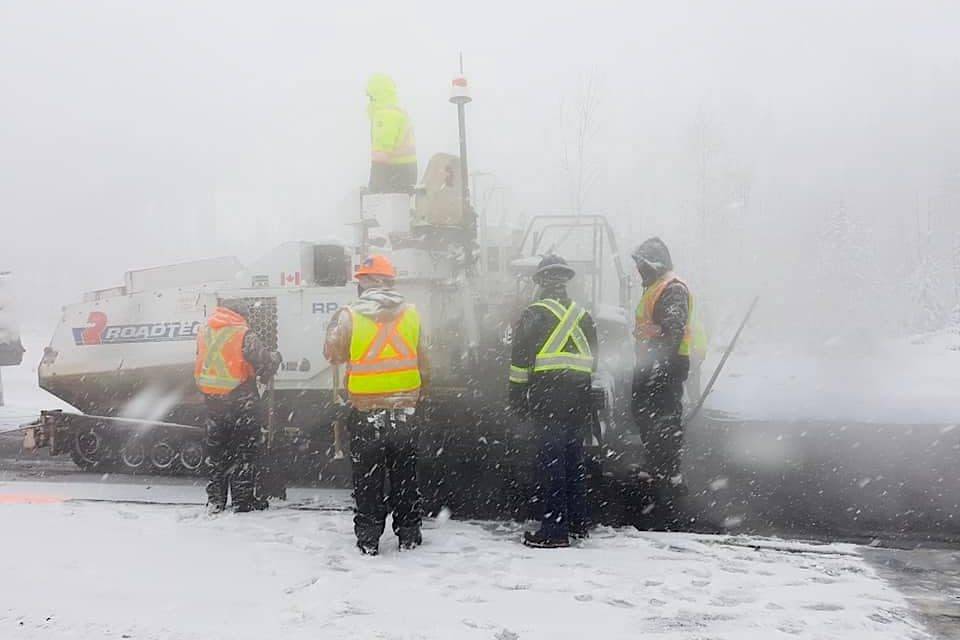
The Coquihalla Hwy 5 has reopened between Hope and Merritt to essential commercial vehicles only, following a month of extensive repairs. The highway was closed by multiple washouts on Nov. 14, 2021 following the extreme atmospheric weather event.
Effective from 8 a.m. today (Dec. 20), Hwy 5 is available to commercial vehicles with a minimum licensed gross vehicle weight (GVW) of 11,794 kilograms.
With most commercial vehicles moving to Hwy 5, travel restrictions will be lifted from the Crowsnest Hwy 3 at 8 a.m. on Tuesday, Dec. 21, reopening the route between Hope and Princeton for non-essential travel. But drivers are nonetheless encouraged to avoid highway travel unless absolutely necessary.
This section had previously been restricted to non-essential travel only and became the only available supply chain route between the lower mainland and the interior. This saw up to 3,000 trucks a day using the narrow, mountainous road which inevitably saw a spike in truck accidents.
BC Transportation and Infrastructure photo.
Travel restrictions have also been lifted today from Hwy 99 between Pemberton and Lillooet. However, vehicles over 14,500 kilograms GVW are still not permitted on this section of the highway, also known as the Duffy Lake Rd.
“The people who build and maintain roads in B.C. have a reputation second to none, and their response to the recent disaster has been remarkable,” said Rob Fleming, Minister of Transportation and Infrastructure.
“Ministry teams, maintenance contractors and hundreds of workers going flat out in challenging conditions have allowed us to reopen the Coquihalla Highway today, giving B.C.’s commercial drivers a safe, efficient route between the coast and Interior.”
Kelly Scott, president, BC Road Builders and Heavy Construction Association said the reopening of the Coquihalla today was a testament to the strong relationship between the BC road builders and the transport ministry.
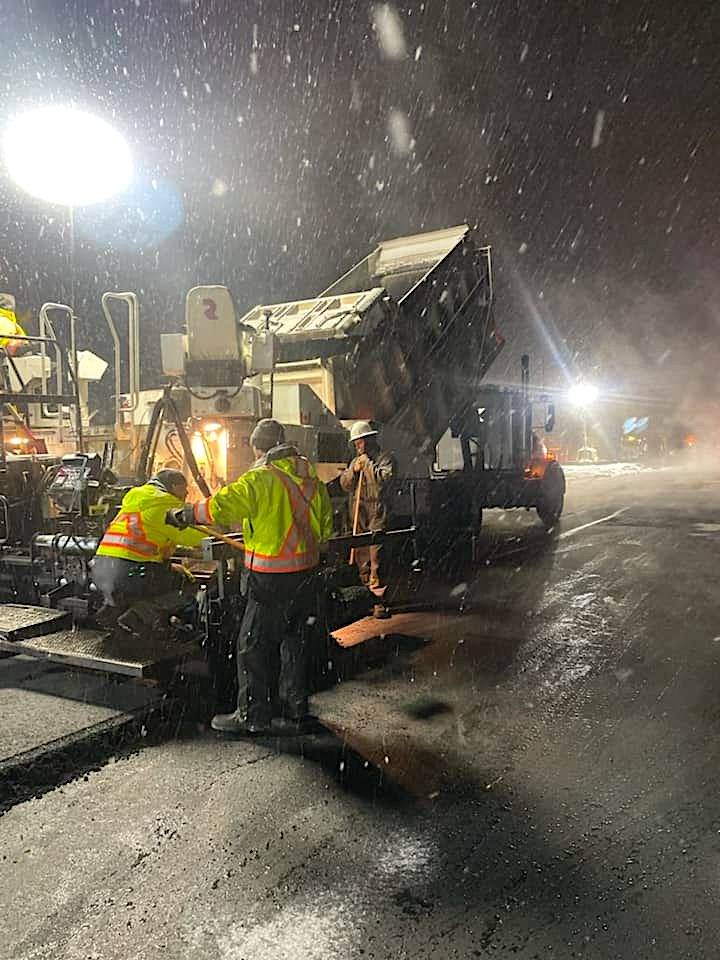
“This relationship allowed the road builder industry and government to come together almost immediately, unified in the goal of reopening this vital link. We are grateful for all the women and men who worked safely and tirelessly around the clock to achieve our goal.”
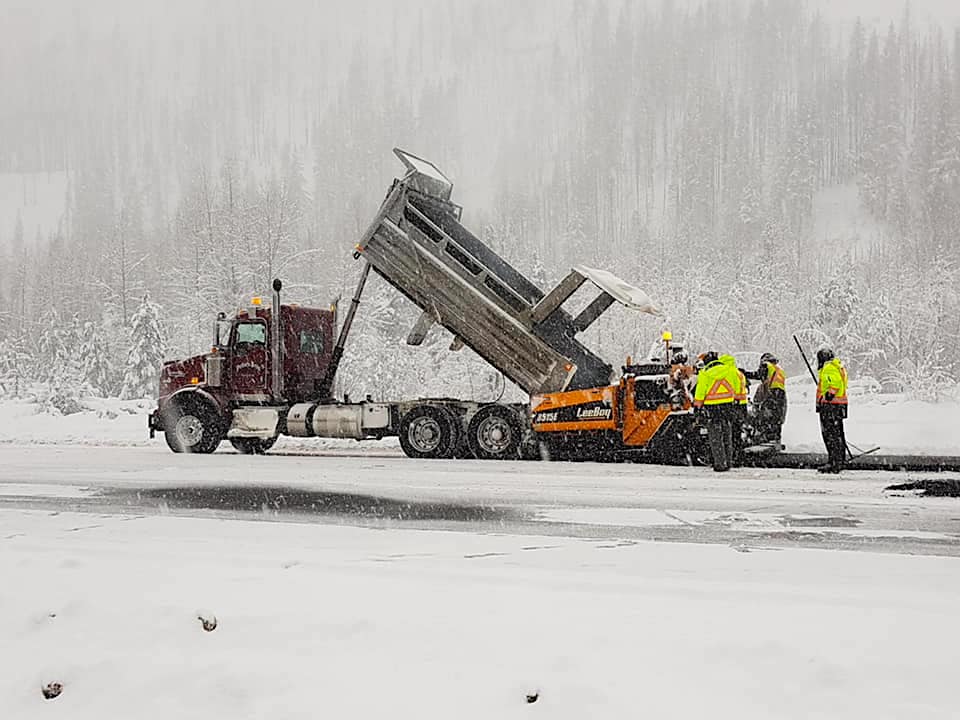
BC Transportation and Infrastructure photo.
With the Coquihalla back in action, there will be more predictability in the movement of goods through the province said Dave Earle, president and CEO, BC Trucking Association. “This an important step toward restoring our supply chain, and our members appreciate the extraordinary efforts of everyone involved.”
Meanwhile, for drivers travelling these highways, the ministry urges preparation and patience. Drivers can expect delays and congestion and are encouraged to consider alternate options or avoid highway travel unless necessary.
“Highway 3 and Highway 99 are mountainous highways where weather conditions can change quickly, and people should be comfortable driving in winter conditions.
“The Province’s maintenance contractors are out in full force, but it is important that drivers do their part and drive to conditions, and check DriveBC before setting out,” the B.C. Transportation ministry said.
Drivers are reminded that B.C.’s winter tire and chain-up regulations are in effect. Other safety tips for winter driving apply, including travelling with a full tank of gas, food and water, and warm clothes.