Photo submitted.
Sophie Gray
Local Journalism Initiative
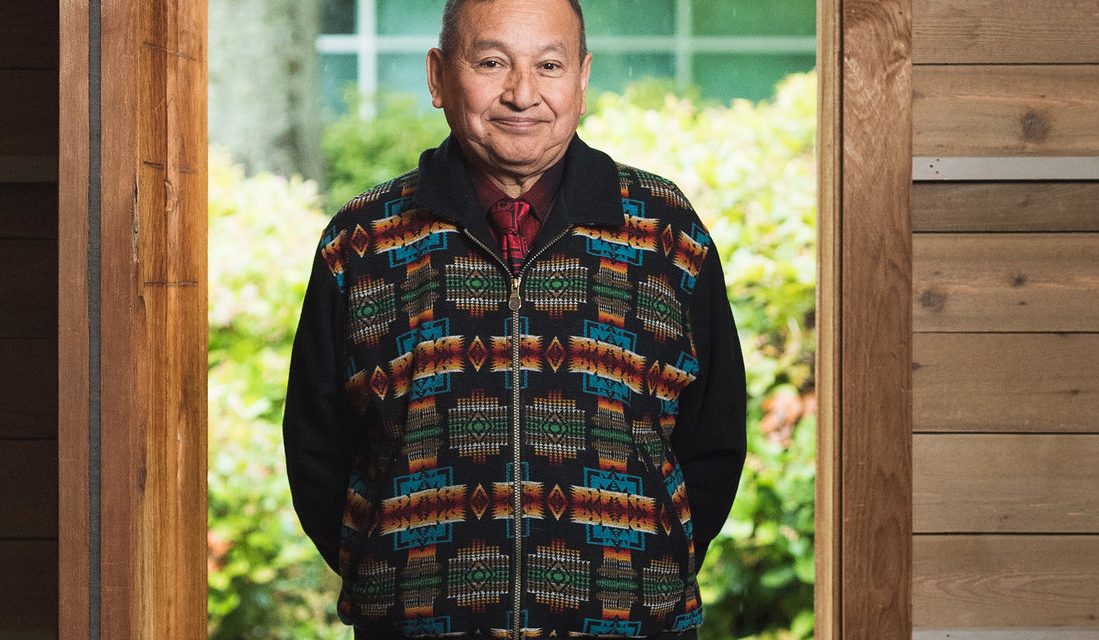
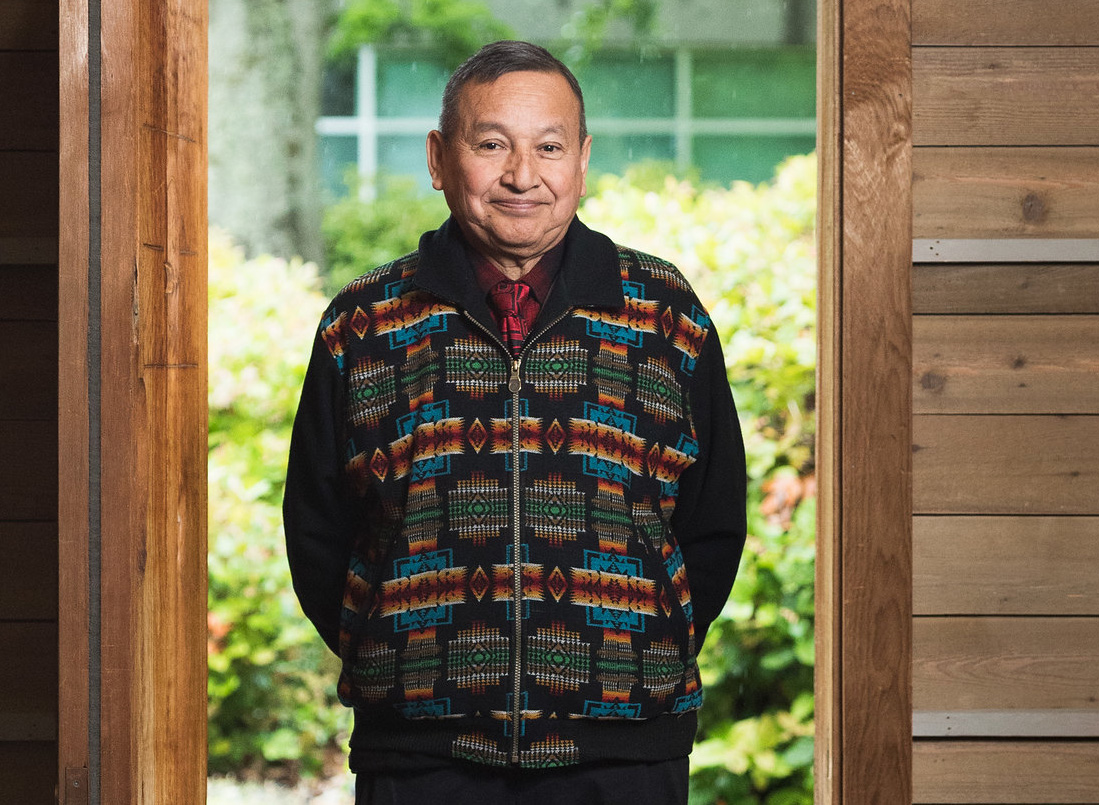
Grand Chief Stewart Phillip is pleading with the public for a living kidney donor. He wrote an open letter to the media to help him in his struggle with chronic kidney disease.
The Grand Chief has served as the president of the Union of B.C. Indian Chiefs for the last 24 years, and as the Chair of the Okanagan Nation Alliance for 15. He is a member of the Penticton Indian Band and the Syilx Nation, and has spent his life advocating for Indigenous rights.
Grand Chief Phillip’s condition has worsened recently according to his written statement, prompting him to ask for help.
“My kidney no longer works well enough to keep me alive and continue on my lifelong work and passion to advocate for Indigenous title and rights and the environment,” he wrote. “My treatment options are limited to dialysis treatments or a kidney transplant, which is why I am reaching out publicly now.”
The Grand Chief will receive dialysis treatment three times a week if a donor kidney cannot be found. This will keep him alive, he said, but it would not offer the freedom of a transplant.
Live kidney donation is when a kidney is received from a living person. Most people in need of kidney transplants spend years on a waiting list for a deceased donor kidney, often dying before receiving one. Living kidney donation offers an option that is more viable, lasts longer and has better function.
But finding a match is not an easy process.
“Asking my family, friends and supporters to consider donating a kidney to me is difficult, but it greatly improves my chances of getting a transplant,” wrote Grand Chief Phillip.
He understands that many people are frightened by the idea of surgery and living with one kidney, but support and information is available.
All medical expenses would be covered by Phillip’s medical insurance, and a separate health care team would be assigned to the donor to look out for their best interests.
The Grand Chief urges anyone interested to research living kidney donation through the B.C. Transplant website, or reach out to the Vancouver General Hospital Living Donor Program by calling (604) 875-5182.
“Thank you for taking the time to read my story. However, I know living donation may not be right for everyone — but you can still help. Consider being an organ donor after death and also, help me by sharing my story with everyone you know. At the very least I want to bring awareness to kidney disease and living donation. I am hopeful my efforts will help me receive a kidney sooner and encourage others to consider helping the many people on the waitlist.”
Please direct any further questions to [email protected].