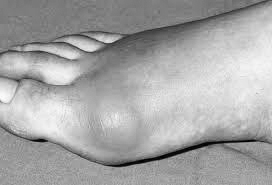
 Gout is a painful arthritis that affects joints, soft tissue, and the kidneys. The symptoms of gout are caused by a buildup of sharp, glass-like, uric acid crystals.
How does uric acid get into the joints, you may ask? Elevated levels of uric acid are often caused by diets that have high levels of purines. Foods and drink such as beer, fish (especially anchovies and sardines), sweetbreads, gravies, kidney and liver, and red meat are high in purines. Medical conditions such as chronic kidney disease, high blood pressure, obesity, high blood sugars, and high cholesterol also elevate the risk of contracting gout. Unfortunately for men, simply being male also is a risk factor for getting gout.
When a person suffers from an acute gout flare the onset is generally very rapid – it can appear overnight! The pain is intense, the affected joint is usually hot, red, and swollen and even the slightest touch is excruciating. Typically, just one joint is affected and it is commonly the big toe, but other possible joints include the ankle/foot, knee, finger, elbow, helix of the ear, and the nephrons of the kidneys. In rare cases, gout can become “chronic tophaceous gout” in which the uric acid molecules clump together to form hard nodules called “tophi” in soft tissue.
It is quite common to have elevated levels of uric acid but not to have symptoms of gout. A flare of gout can be triggered by a trauma, surgery, alcohol use, starvation, certain medications (high dose diuretics, levodopa…), and foods high in purines.
The first go-to treatment for a flare of gout is often colchicine, a corticosteroid injection into the joint, or a high dose NSAID (non-steroidal anti-inflammatory) such as naproxen, ibuprofen, or indomethacin. Initiating treatment as soon as possible once the gout attack occurs is key to quick recovery. In addition to taking pain killers, it is advisable that patients rest and elevate the affected body part.
As far as diet goes, try and decrease the portion sizes of meat and fish, avoid fructose-high drinks (juices, soft drinks), and limit alcohol.
Studies have shown that people who drink a glass of skimmed milk per day and have diets that are low calorie, high in fibre and contain whole grains experience fewer gout incidences. Another interesting note is that Vitamin C 500mg-1000mg daily appears to increase the excretion of urate which may reduce the risk of gout. Best advice? Stop smoking, decrease alcohol consumption – especially beer, drink adequate amounts of water, and keep at a healthy body weight.
Prevention therapy is started if there are three or more gout attacks per year, serum uric acid levels are extremely high (>800umol/L), patient is undergoing chemotherapy, or the gout is severe. Maintenance therapy can be a daily dose of allopurinol, colchicine, or febuxostat (Uloric). For allopurinol, it cannot be started until the inflammation from an acute flare is gone (so wait 1-2 weeks) and then it must be accompanied by a low dose colchicine or an NSAID while the allopurinol dose is being adjusted.
Gout is a frequently treated condition and the treatment results are usually good. As with many chronic conditions, maintaining a healthy lifestyle and adhering to medication regimens is important to preventing gout flares.
Amanda is a community pharmacist practicing in Oliver at Remedy’s Rx on Fairview Road.