Dear Editor:
Are we ready for the opening of the new prison?
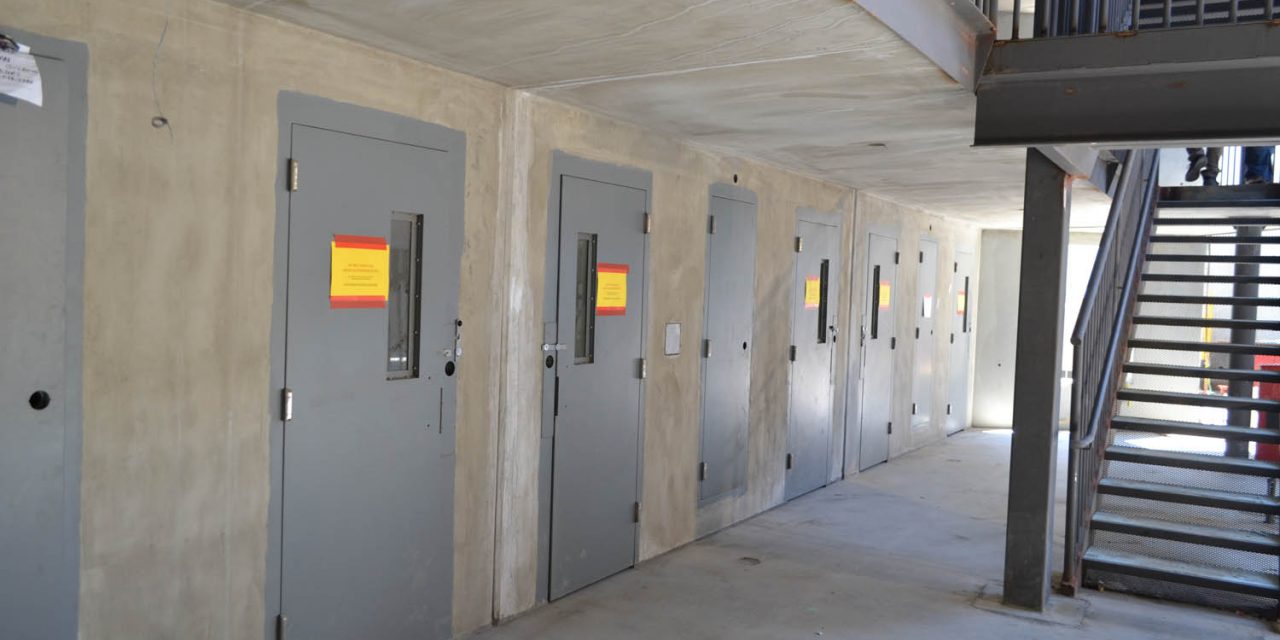
Are our local political leaders, including MLA Linda Larson, proactively managing for the potential increase in the level of property crime arising from the opening of the Okanagan Correctional Centre (OCC) in our community? At capacity, the facility’s 378 cells will house 666 inmates.
Although the OCC is a provincial facility, only about half of these inmates will be prisoners convicted of provincial crimes.
The rest will be held short term in remand, including many who have been charged with more serious federal crimes such as murder, armed robbery and rape. There will be a constant ‘churn’ of OCC inmates into our community, with the correctional centre population spending an average of only 60 days in custody.
This means that up to 4,000 inmates will be released into our community every year. Each of these inmates will be handed a bus ticket at either the prison gate or on the courthouse steps, in hopes that they will quickly get out of town.
This, however, may be overly optimistic thinking.
Liberal MLA Laurie Throness, in a recent report on prison safety, raised serious concerns about prisoner releases from our provincial corrections centres.
“Where does a newly-released offender go on that first day away from the institution?” she asked. “Does he or she have any social supports, proper medications, money, personal identification, a place to live or any job prospects? “The answer to all these questions is too often ‘no,’ and thus offenders revert to what they know – the criminal lifestyle, followed by a quick return to a correctional centre.”
Over half of those released are suffering from a diagnosed mental health disorder and over 90 per cent (Statistics Canada 2012) need assistance with substance abuse. Prisoners are released without their medications and their treatments cease upon release.
It is naïve to think that all of these inmates will immediately board a bus and leave our region. Many will resort to what they know best – property crime – to meet their immediate needs for food, shelter and drugs.
To the extent that there is an increased demand for drugs, this will attract gang activity to supply that demand.
Some prisoners will be picked up on release by friends or fellow gang members, drawing a further criminal element to our community.
Another Provincial Liberal backbencher, MLA Darryl Plecas, who recently chaired the Blue Ribbon Panel on Crime Reduction, emphasizes the lead role of municipal governments in reducing crime.
But Oliver is a small community. We do not currently have the array of shelters, halfway houses, drug detox centres and mental health facilities necessary to service an increase in the transitory criminal element in our community.
These career criminals need effective drug and alcohol addiction treatment and recovery programs, which we are in no position to provide.
Steve DiCastri, the OCC Warden, is a positive guy. He likes to paint a picture of corrections in B.C. being all about rehabilitation and positive things like supervised community work programs and behavioural modification for drug abuse and violence prevention.
Unfortunately, however, his views are at odds with a report released last month by the Province’s Auditor-General, Carol Bellringer, which concludes that B.C.’s core programs designed to keep prisoners from reoffending have failed.
In most cases, the the Auditor General concludes that only 15 per cent of offenders fully or partially completed those core programs. Recidivism is rampant. Throness’ report reveals that “In a 10 year period, almost two-thirds of those who enter our correctional system will return at least once.Twenty-five per cent will return at least five times.”
Public safety and security is a core function of government and an increase in policing may also be required. We need to be forewarned about these issues and prepared to deal with them.
Al Hudec
Oliver, B.C.