
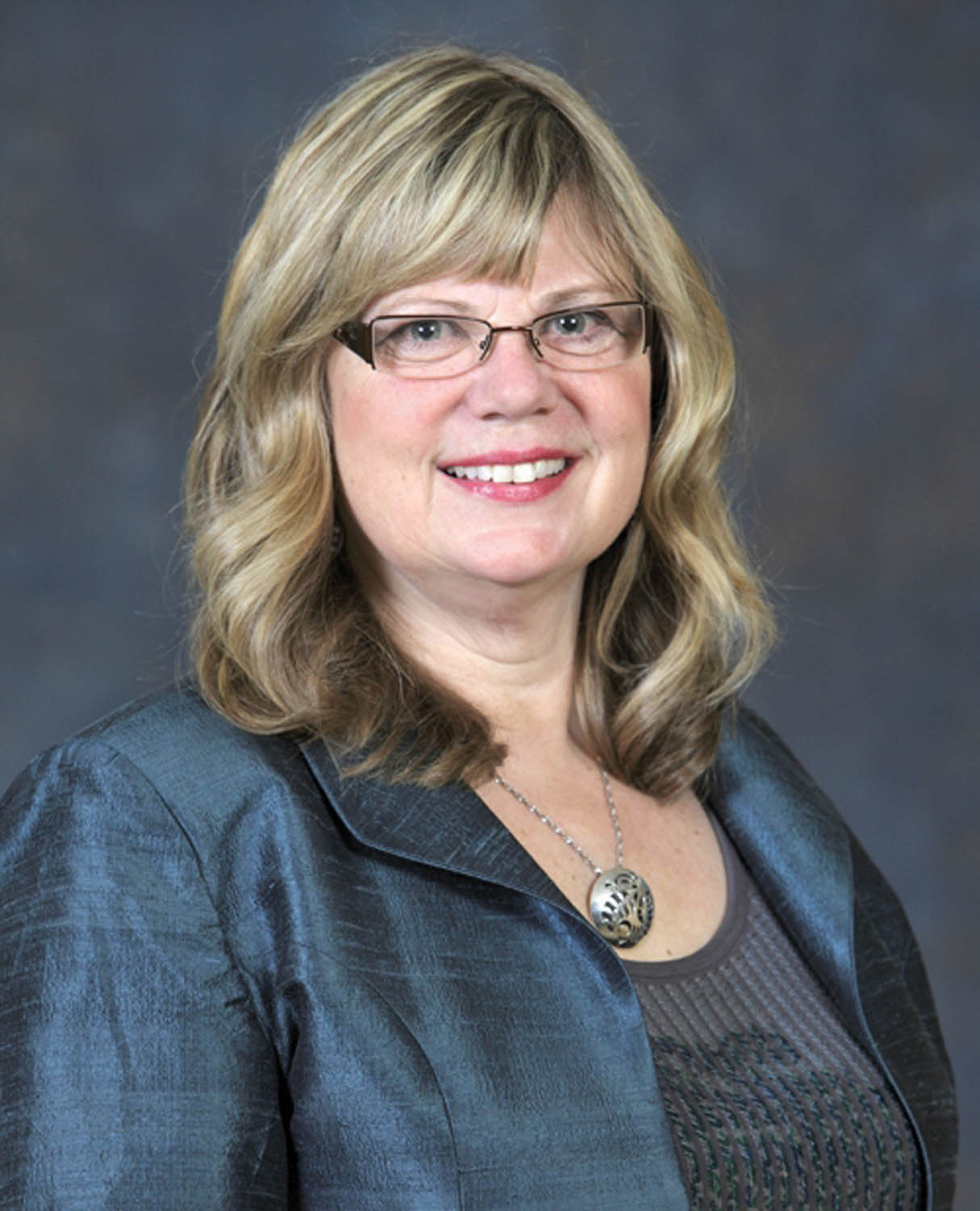
Liberal candidate Connie Denesiuk. (Photo supplied)
When stock markets tumbled last week, following continued declines in oil prices and a falling Canadian dollar, the precarious economy was again thrust to the top of the news.
On Tuesday, as many expected, new economic numbers confirmed two consecutive quarters of negative growth, meaning Canada is officially in a recession, even though the economy grew by half a per cent in June.
Not surprisingly, the three major federal political parties all made important statements on the economy last week. We invited the local candidates for the three parties – Conservative Marshall Neufeld, Liberal Connie Denesiuk and NDP Richard Cannings – to address economic issues.
Neufeld said the Conservative government’s plan is lower taxes for families, individuals, seniors and small and medium businesses.
“We’ve concluded free trade agreements with 39 countries and we’ve had the longest and largest investment plan for public infrastructure in Canadian history,” Neufeld said. “This is work that needs to continue.”
Prime Minister Stephen Harper has repeatedly stated that with the current economic challenges, government should stay the course and not take chances on “reckless spending” plans of the other parties.
Neufeld agrees.
But Cannings counters that the NDP has the best plan and the Conservative approach isn’t working.
“I think the Conservative government has been using trickle-down economics over the last 10 years to try to stimulate the economy,” said Cannings. “Most world economists say that doesn’t work. We will turn things around and basically use trickle-up economics. We want to stimulate the economy by promoting small businesses instead of big corporations.”
Cannings noted that small businesses create about 80 per cent of the jobs in Canada and their money stays in the economy and helps it to grow. The NDP will cut small business taxes by two per cent, he said.
By contrast, the Conservatives, he said, have cut the corporate income tax by seven per cent over the past decade.
“It has done nothing to stimulate the economy,” Cannings said. “Most of that money has been put in the bank or invested overseas. Corporate income tax in Canada is beyond competitive – it’s very low – so we will raise that a bit and use that money to target spending through infrastructure programs, such as our $15-a-day affordable childcare program, to help people at the lower end of the income scale.”
Denesiuk agrees and said she believes the Harper Conservative government has mismanaged the economy, pointing to seven years of deficits under the Conservatives that have added $150 billion to the national debt.
“We have a plan to get the economy back on track,” she said. “It’s a multifaceted approach. One of those is that with interest rates very low, economists agree that this is the time to invest in infrastructure spending.”
Last week, Liberal Leader Justin Trudeau announced a plan to run small deficits of under $10 billion for the next three years before balancing the budget in 2019. This would help to nearly double the federal investment in infrastructure at $125 billion over the next 10 years.
“This infrastructure spending is going to help stimulate the economy and it’s going to create well-paying jobs,” Denesiuk said. “Infrastructure spending will include public transit, social infrastructure as well as green infrastructure.”
Municipalities have been struggling to pay for roads to get people to and from their jobs and get goods to market, she said.
Neufeld, however, points out that the Conservative policy of encouraging free trade agreements has paid off in the local economy of the Okanagan.
The Harper government, he said, was able to get a free trade agreement allowing Canadian cherries to be imported by China for domestic use.
“That’s meant an increase of about $20 million annually to the economy of the Okanagan and the Creston valleys, which is where the cherry producers are,” said Neufeld.
The Conservative candidate said he’s been asked by producers of other fruits when they can get similar agreements.
“If elected, that is something I’m absolutely going to work with both industry and the Department of International Trade to see if we can get those agreements for them,” Neufeld said.
Unlike Trudeau, NDP Leader Tom Mulcair insists that an NDP government would balance the budget in its first full fiscal year in office.
“NDP governments across the country have the best record for balancing budgets,” Cannings said, referring to provincial governments that have governed in half of Canadian provinces.
“We have the best record for reducing unemployment rates and the best record for not overspending,” he said.
Neufeld insists the Conservatives will have a balanced budget this year and he points to first quarter results for the current fiscal year released last week showing a $5 billion surplus.
Those figures, however, include the one-time sale of government shares in General Motors, which added $2.7 billion to the books in April.
The other candidates, however, point to a forecast by Parliamentary Budget Officer Jean-Denis Frechette that the Conservatives will run a $1 billion deficit in the 2015-16 fiscal year based on the slowing economy.
“We are anticipating that this year is going to be a year of growth economically,” said Neufeld. “It’s definitely not a time to go back into deficit as the NDP and Liberals would have us do with their large level of spending promises that they’ve been making. Frankly, especially with the policies of the NDP, it’s lining up with the tax-and-spend policies that we saw in Greece that have put them into default. We certainly don’t want to be heading down that kind of path.”
Denesiuk said she’s “shocked” to hear Mulcair still plans to bring forward a balanced budget after the costly promises he’s made.
“The $15 for everyone daycare is a flawed policy because it gives the rich just as much as it does the poor,” she said. “But what concerns me is it’s a very expensive promise. There’s no way he will be able to balance the budget and keep his promises without making significant cuts in other areas and we know some of the biggest areas of spending are things like healthcare.”
Cannings, however, says budgeting is about setting priorities and an NDP government can balance the budget by increasing the corporate income tax, closing loopholes such as those allowing CEOs to be paid in stock options at a lower tax rate and stopping some of the subsidies to large businesses that have been shown not to stimulate employment.
RICHARD McGUIRE
Osoyoos Times
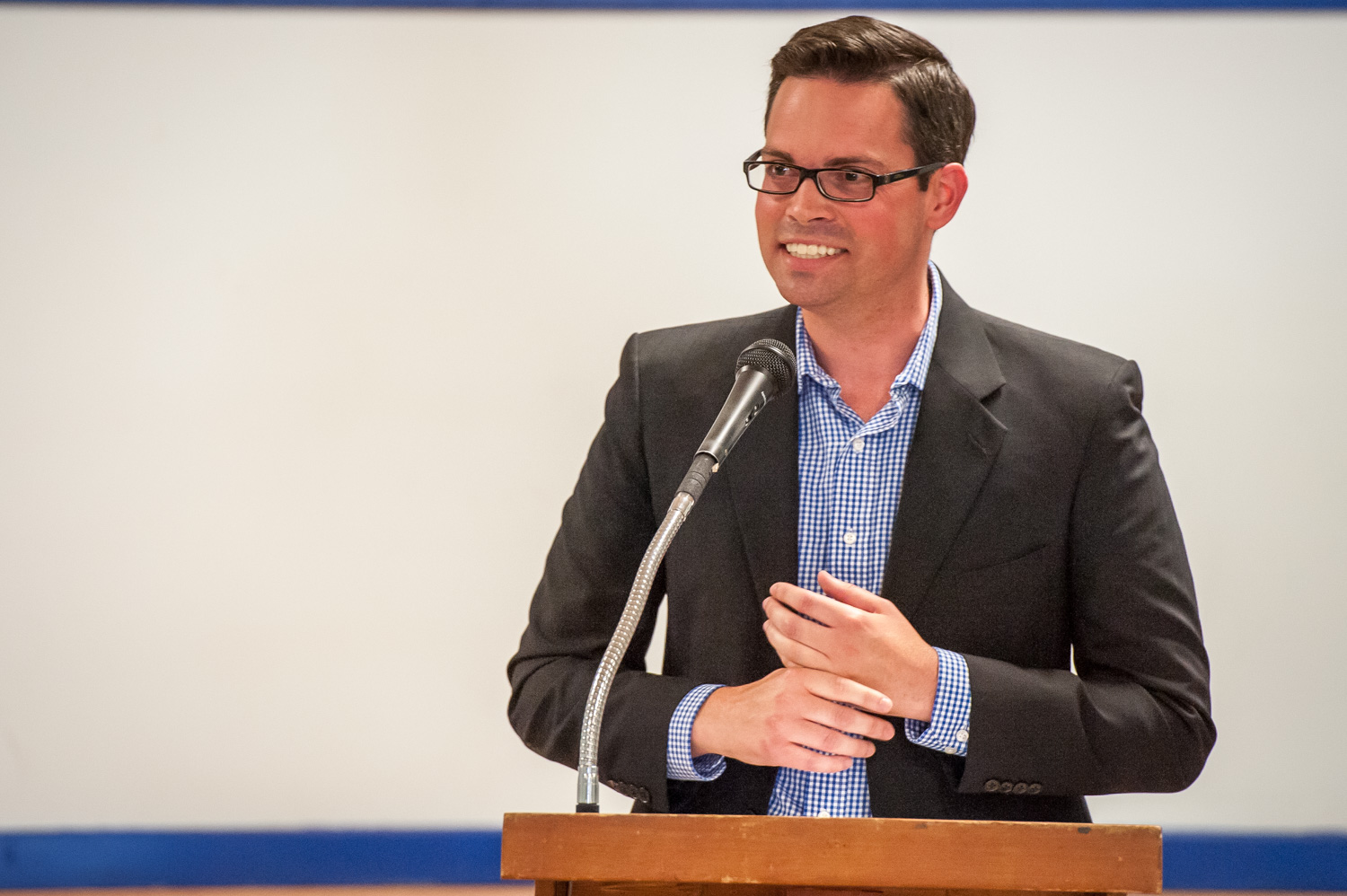
Conservative candidate Marshall Neufeld (Richard McGuire file photo)
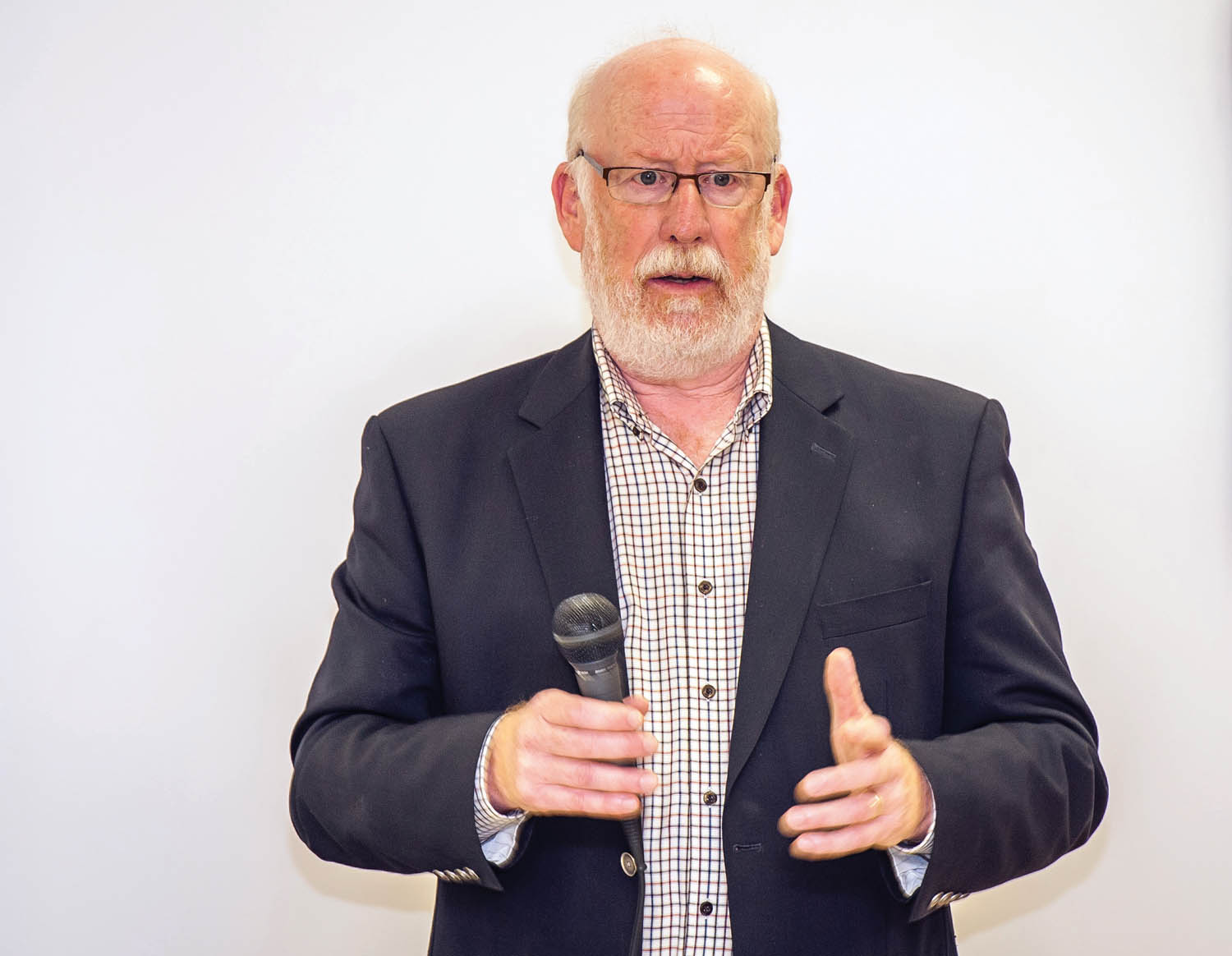
NDP candidate Richard (Dick) Cannings (Richard McGuire file photo)