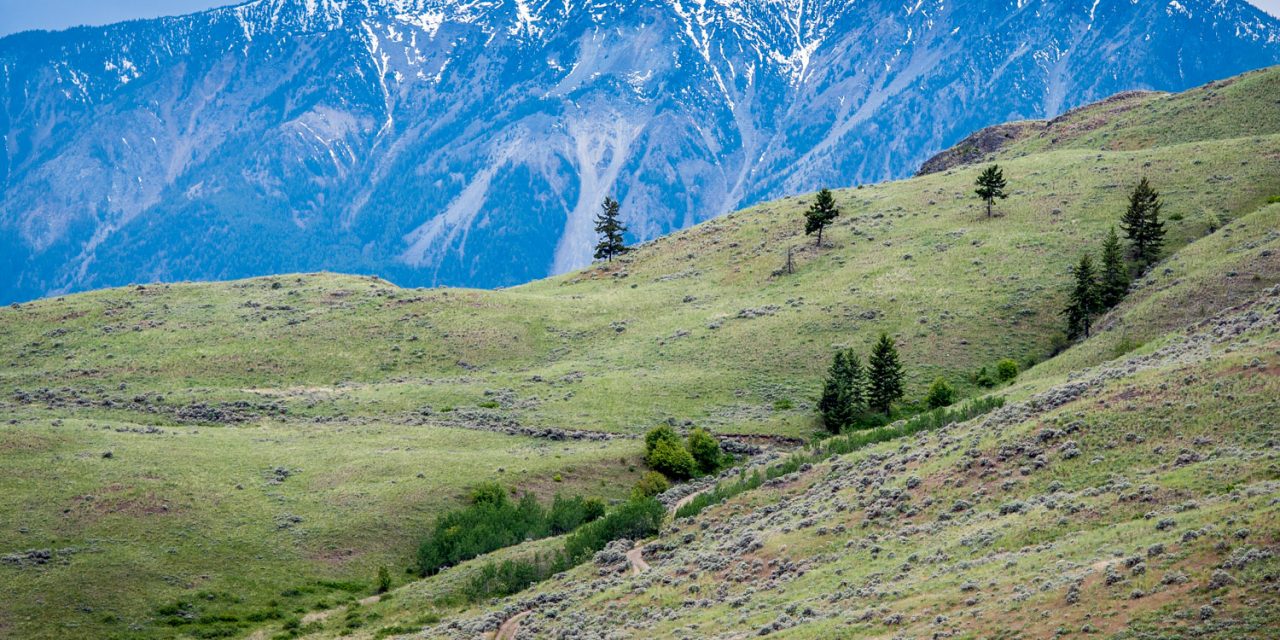
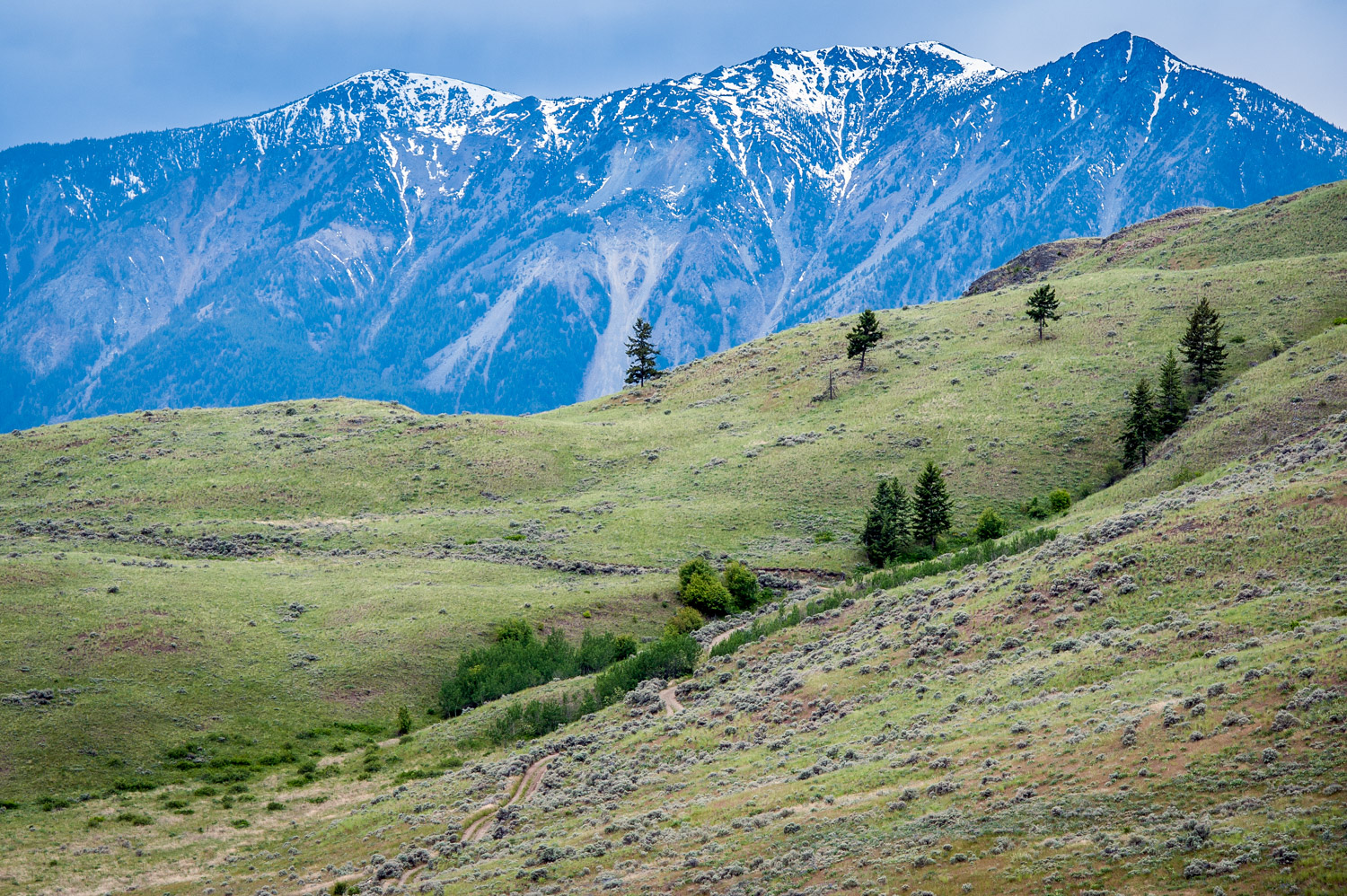
The South Okanagan-Similkameen grasslands are the site of a proposed national park reserve. (File photo)
By Dale Boyd
Osoyoos Times
It is unclear if a representative from Parks Canada will be attending an information session on the proposed national park reserve in the South Okanagan later this month.
Parks Canada acknowledged they had yet to respond to the Osoyoos Times by publication deadline on Wednesday.
Local conservation group, the South Okanagan Similkameen Preservations Society (SOSPS), is hosting an open-mic public information session on April 23 at the Sonora Centre in Osoyoos at 6:30 p.m.
The moderated meeting includes local stakeholders including indigenous representatives and elected officials.
The event is a response to the lack of public forums put on by Parks Canada according to Lionel Trudel, a director of the SOSPS.
“We’ve been asked to do this by the public, so we are following up with a request to have a meeting with as many politicians as possible,” Trudel said.
A meeting was planned with Parks Canada and the public in early February, however it was cancelled on Feb. 11 by Parks Canada only days before the event.
• Read more: Parks Canada cancels community event on short notice
Sarah Boyle, project manager with Parks Canada, visited the South Okanagan in February to present information on their public consultation to Osoyoos town council as well as other municipalities in the area and the regional district. However, according to Trudel and the SOSPS, the information presented by Boyle has the best interest of Parks Canada in mind.
“Parks Canada will not hold any meetings with the public. This would be the first meeting about the park that has been planned in any way. We have an invitation, a very gracious invitation, to Parks Canada to please participate in the event.”
However, there has been an extensive effort to gather public opinion thus far said Doreen Olson with the South Okanagan Similkameen National Park Network. She has been involved since 2003, advocating with the public for endangered species in the area. Olson does not plan on attending the forum.
Around 36 meetings have been held with Parks Canada officials, stakeholders and people in the area, she said.
“Parks Canada has been open, they have had the consultation, there’s been a phone number for people to phone and ask questions. I just don’t see why they would need to have this sort of a forum, it hasn’t been helpful in the past,” Olson said.
Olson added there have been public forums, though they took place over a decade ago in 2006 and 2007 across the valley.
“They all kind of turn out the same, where people are disrespectful and not a lot is accomplished,” Olson said.
The upcoming SOSPS event will have an open-mic dialogue to discuss a possible referendum, alternative plans for conservation and more. The group is emphasising a courteous and respectful atmosphere for people to have their say.
• Read more: National park opponents rally at Town Hall to call for referendum
“We want to have everyone feeling like it’s going to be a safe place to say their piece and there won’t be any consequences for what they have to say,” Trudel said. “It doesn’t have to be pro-park or against the park, we want an accurate reflection on what the public believes.”
While the SOSPS has been labelled the “no” side of the national park debate, it is a bit of a misnomer.
“We are not against a park, we want to preserve the area, but with the agency of choice. In this case in our very, very detailed exploration of the subject, our choice is not Parks Canada,” Trudel said.
There has been $4 million spent so far by Parks Canada since 2001 on the project, a number Trudel said has been more or less confirmed by officials.
“The number of dollars spent is huge compared to the fact there hasn’t been one shovel put into the ground, or a fence put up or one animal saved,” Trudel said. “It’s time we gave everyone a vote, find out what the actual numbers are and go from there.”
Trudel referred to a recent report compiled by New Zealand-based firm Opus International Consultants which indicated about 40 per cent of Parks Canada physical assets are “very poor condition,” unusable or unsafe.
“That says, to me, that financially as an entity, and from a managerial aspect, that their house is not in order and this is essentially what we are inviting in to our landscape,” Trudel said.
Instead of a national park, SOSPS hopes for an amalgamation of indigenous and provincial stakeholders, Parks BC and locals working together to come up with a preservation solution.
“We are all going after the same thing. Our only contention is that due to history and due to what we’ve found with our research with Parks Canada, it is not that organization,” Trudel said.