By Don Urquhart, Times Chronicle
The transboundary organization responsible for managing the international waters of Osoyoos Lake has established a working group to assess whether an international watershed board could be beneficial for the region.
The working group will be conducting public “listening” sessions to provide an overview of the study being conducted and to solicit input from participants on the watershed board approach and whether there are issues they feel could be addressed by such a body.
The International Joint Commission (IJC), which has jurisdiction over transnational water issues between the US-Canada, is looking to possibly create a new mechanism to resolve “current and emerging transboundary water issues.”
The IJC has authority over the International Osoyoos Lake Board of Control which oversees the operation of Zosel Dam to regulate lake levels, but this new initiative is separate, offering a more holistic approach as transnational water issues continue to evolve on the back of climate change.
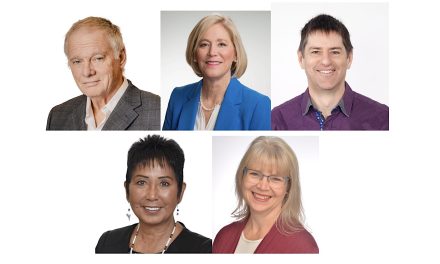
To date the IJC has established a working group to assess whether an IJC international watershed board could be beneficial for the region. The working group is composed of local representatives, and government officials from both sides of the border.
The IJC said that through conversations with organizations and residents of the Okanagan basin, the study will determine what benefits a new watershed board could provide and make recommendations on what a potential watershed board in the Osoyoos Lake region could look like and the issues it could help address.
The IJC noted that international watershed boards under its purview, have been established elsewhere along the Canadian-US border as a mechanism to resolve current and emerging transboundary water issues.
“They are grounded in the belief that local communities, given appropriate assistance, are best placed to achieve solutions,” the IJC said, adding that watershed boards “take a holistic approach, recognizing that ecosystems function as whole entities and should be managed as such.”
When viewing the issues through a “watershed lens” means a larger consideration of water quality, water quantity and aquatic ecosystem health and how they interact and impact one another.
This more holistic approach ensures better engagement and solutions tailored to meet local needs, the IJC said. It also makes better use of existing resources, it added.
Watershed boards typically include local membership and Indigenous participation in addition to government agency representatives and technical experts.
The working group will be holding public listening sessions in the basin on the following dates:
- Sonora Centre, Osoyoos, BC on July 7 from 6-8 p.m.
- Tonasket Community Cultural Center Tonasket, WA on July 8 from 6-8 p.m.
A third, virtual, listening session will be held on Wednesday July 15 from 4-6 p.m. for those who are unable to attend the in-person meetings. You can register for the virtual event at shorturl.at/OS3G5 (URL shortened for convenience).
During the listening sessions, the working group will provide an overview of the study being conducted and will solicit input from participants on the watershed board approach and whether there are issues they feel could be addressed by a watershed board.
Following engagements over the coming months, the working group will release a draft report of their findings in fall 2026 and will deliver a final report and recommendations to the IJC in Spring 2027. For more information about watershed boards visit shorturl.at/r3nLz .