By Don Urquhart, Times Chronicle
The appearance in recent weeks, of utility bills for water, sewer and garbage for the first quarter of 2025 has resulted in a flood of calls into the town office and mayhem on local social media as mis- and dis-information ran rampant.
As Rod Risling, Osoyoos Chief Administrative Officer highlights, Osoyoos Council voted to separate utilities from the overall property tax last year as this is the common practice in many municipalities across BC.
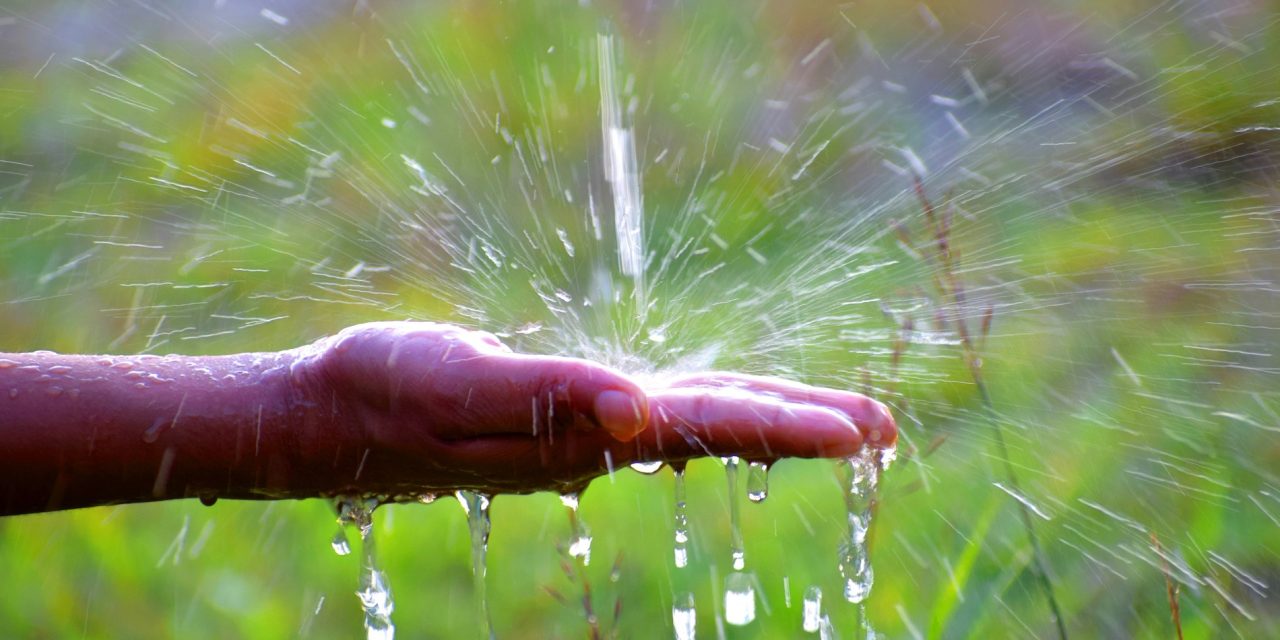
The idea is that it will make it easier for residents, in the case of water, to see their consumption and charges for the water they use, once water metering is in effect.
“The utility bill that was recently sent out to residents covers the first water, sewer, and garbage pickup for 2025 which is the calendar year from January to December.
“The tax bill they will receive in May and due July 2 will not include a bill for water, sewer or garbage. Instead, that portion of the bill is now going to be billed quarterly to users, to property owners,” Risling explained.
He goes on to highlight that it is the same flat charge that users have been paying all along with the addition of any yearly increases, but it’s now broken down into four.
Risling notes that the town office has been inundated with questions about the billing. This comes despite being discussed at length in council and with the issue being explained in the eNews blasts from the town.
One of the main questions is why there is a flat rate charge when the town has shifted to water meters. Risling says the process to install the meters is ongoing and once they are all installed there will be a period of monitoring and collecting water usage in order to set rates.
“That usage will be used to determine and provide options to move to a variable rate,” he said. The most likely scenario will be a flat charge combined with a variable rate. In this case, he says, all water customers will pay the base rate and amounts above that base will be charged based on volume used.
“At this time, we don’t know what those rates will be,” he said adding that currently, it’s fairly straightforward for the town to figure out what the bill should be. There is a cost of providing the water and there are a finite number of accounts, “so we simply divide one into another,” which provides a simple flat fee.
When shifting to the variable rate, however, it becomes more difficult to know exactly how much the charge will need to be to cover the cost of providing the water which is why the town is collecting data for a number of months before switching to the base/variable charging system. In Osoyoos, this is even more complicated due to the surge in tourist numbers in the summer which skews the consumption numbers.
Overall Risling feels the water meters and variable rate system will provide a more transparent and fair system which will see those who use more water pay more than those who don’t use as much.
The separation of the utilities from the property tax also makes the system more transparent and by splitting it into quarterly billing makes it easier to both monitor personal usage as well as break it into smaller payments. “It’s in smaller chunks this way and we encourage people to sign up to the automatic payment plan,” for greater convenience, Risling added.