By Don Urquhart
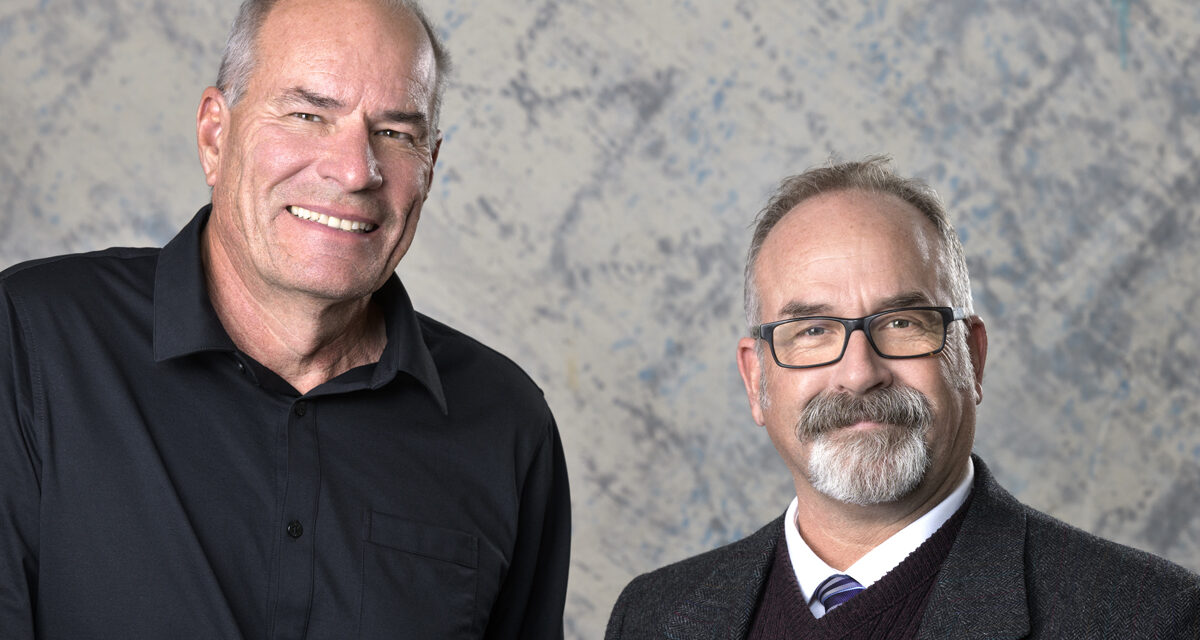
A new memorandum of understanding (MoU) between Interior Health and the seven Interior regional hospital districts will help usher in a new era of mutual respect according to Martin Johansen, Chair of the Okanagan Similkameen Regional Hospital District.
Under the new agreement the health authority, as part of the capital planning process, will submit a funding request letter every year to each district outlining the equipment, capital improvement projects and digital health investments for each region.
It’s then up to each district to determine which projects it wishes to fund and by how much, up to 40 per cent of the total.
Johansen says that prior to this MoU, Interior Health would make a capital funding request essentially on an ad hoc basis leaving the districts with a sense they had no choice but to approve.
According to the Hospital District Act, regional hospital districts provide funding to Interior Health for capital costs associated with the construction, acquisition and maintenance of health-care facilities and major equipment in the local area as identified in the annual capital plan. Regional hospital districts may fund up to 40 per cent of the investment.
“We sort of felt like we were just rubber stamping the capital requests that would come through here.” Interior Health makes a capital request to the hospital district which then comes from money that’s collected throughout the Regional District which then would be approved up to 40 per cent of the funding, he explains.
“Lots of times we would get a list of projects, totaling six or seven million dollars and not feeling like we had any good understanding of the projects that were being brought forward, how critical those projects were and what the consequences were of those projects if they didn’t get funded.
“And we felt like we were obligated to fund them, which includes, you know, raising taxes or borrowing money or doing all those types of things.”
Johansen says the seven regional hospital districts of the interior wanted to be more involved in the process. “We wanted to have at least a five year capital plan going out so that we could make the decisions on what we were going to fund and what we weren’t going to fund.”
He cites the example of the first phase of the Penticton Regional Hospital (PRH) expansion which opened in 2019.
“You think that you’ve gotten through the big PRH tower, for example, and then oncology wants a huge amount of money to do a renovation and then there’s a UPCC [Urgent and Primary Care Centre] that opens up at the last minute and it’s actually fully functional.” That facility opened in March of 2021 and saw Interior Health asking the hospital districts to come up with a million dollars.
Johansen says that was a turning point for him. He wasn’t the chair of the hospital district at that point in time, but says he was “very frustrated” along with a few other directors who all shared the sentiment of “what are going to do if we don’t give you the million dollars? It’s already operating.”
He adds that at the end of the day there was “some reservation amongst other directors that if we don’t give them a million dollars we’re going to struggle with getting investments in our health system.”
What the like-minded directors wanted was a more collaborative, more working-type relationship with Interior Health.
“To make sure we understand the projects that are coming forward, make sure we see the five year capital plan so we don’t get any surprises at the end of the year with a big project showing up and if there’s a plan to do a major renovation or a major expansion of a facility that we’re prepared to be able to fund that down the road instead of it coming out of left field.”
Interior Health has committed to share annual capital plans and forecasts for future priority investments, as well as provide detailed information for major projects over $5 million.
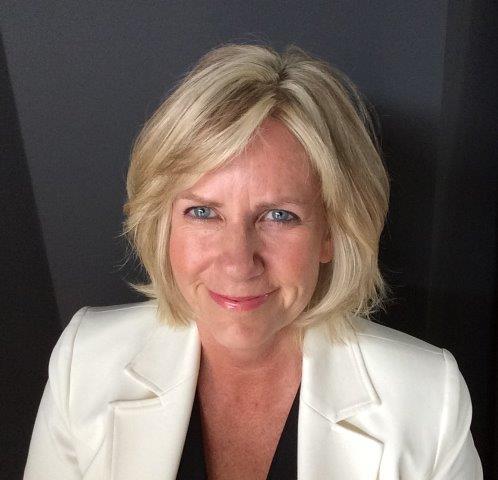
Susan Brown, President and Chief Executive Officer for Interior Health.
This new MoU provides the framework of how they will work together. And although it had been discussed for some time, it was given a sharper impetus when it was realized that Northern Health had an MoU with all of its hospital districts. Johansen says this was used as the guiding template for the Interior Health region.
“It’s been a very positive process and I do believe we now have a document and a framework that we can work together and collaborate.”
There is also an important side benefit, he notes, “because it will also give us the opportunity to maybe lobby for projects that we would like to see as well, not just Interior Health driving the bus.”
“We value the feedback and information provided by the local representatives and this agreement lays out clear expectations regarding sharing information on the projects we are planning and have underway,” said Susan Brown, Interior Health President and Chief Executive Officer.
“This agreement is exciting news and addresses a number of concerns which were the focus of negotiations over the past few months. We are confident this memorandum of understanding is a positive step forward in terms of accountability and will serve to create a better working relationship between Interior Health and the Regional Hospital Districts.”
The memorandum of understanding will be reviewed every two years by Interior Health and the RHDs.
The seven regional hospital districts in the Interior Health region include: Cariboo Chilcotin Regional Hospital District, Thompson Regional Hospital District, North Okanagan Shuswap Regional Hospital District, Central Okanagan Regional Hospital District, Okanagan Similkameen Regional Hospital District, West Kootenay Boundary Regional Hospital District and Kootenay East Regional Hospital District.