Not all regional directors are happy to adopt a noise bylaw that can use a decibel meter to measure how loud your neighbour is.
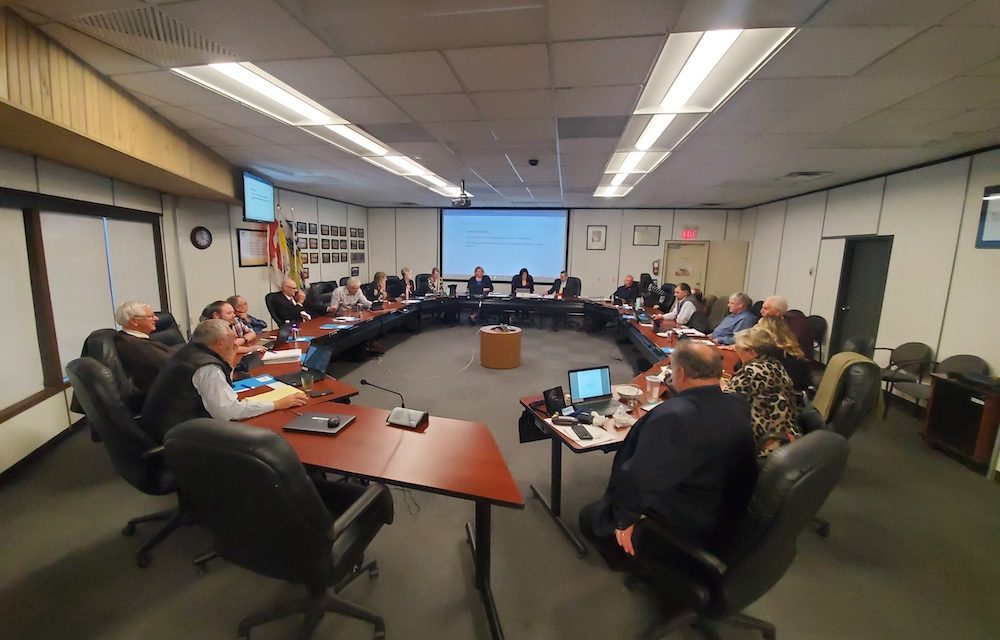
The board recently discussed the draft bylaw that highlights acceptable and unacceptable decibel levels.
For example, in the “quiet district,” noise cannot exceed 55 dBA in the daytime or 45 dBA in the evening. In the “activity district,” you cannot exceed 60 dBA in daytime or 55 dBA in the evening.
The bylaw states that persistent shouting, use of a megaphone or sound amplification device is prohibited (except during public celebrations or sporting events if the noise doesn’t exceed 90 dBA).
Chris Garrish, regional planning manager, said some people submit complaints via screen shots and/or attempt to register the decibels themselves. But he noted these measurements or recordings can only be conducted officially by the bylaw enforcement officer.
Electoral Area G director Tim Roberts admitted he is one of those people who tend to operate his motorcycle “fairly loud.” He added that he uses an online app to make sure he is within the noise allowance.
Osoyoos Mayor Sue McKortoff said Area A (rural Osoyoos) does not have a noise bylaw. But the Town does, and staff often get calls about noise outside the municipality’s boundaries.
Area A director Mark Pendergraft said most complaints in rural Osoyoos are in relation to cherry cannons on farms that the regional district has no control over.
Rural Princeton director Bob Coyne said his area would be “way better off” opting out of the bylaw.
“By the time anyone gets out here with a (noise) meter it’s always a moot point. All it does is cause problems between neighbours.”
Area C director Rick Knodel said he sees the bylaw as quite “valuable” in rural Oliver where “more control” is needed over noise.